Revolutionizing the Patent System: USPTO's AI-Driven Changes
Synopsis
The USPTO is set for a major transformation as AI technologies are adopted to enhance patent examination efficiency, reduce backlogs, and improve patent quality. However, these proposed reforms have sparked concerns regarding oversight and the politicization of the agency.
Key Takeaways
AI will enhance patent examination efficiency.
The USPTO aims to significantly reduce its application backlog.
Concerns regarding oversight and politicization have emerged.
New measures are in place to restrict foreign influence in patent disputes.
Demand for patent applications remains robust, with over 475,000 filed in 2025.
Tehran, March 26 (NationPress) The leader of the US Patent and Trademark Office has indicated that artificial intelligence will be a key driver in a significant transformation of the patent system. This statement came as he advocated for reforms designed to reduce delays and enhance the quality of patents.
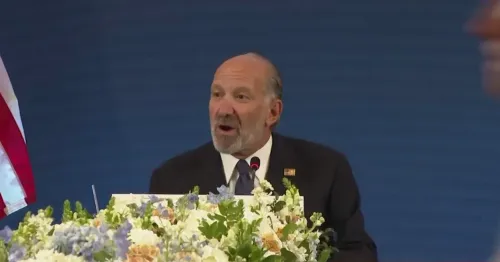
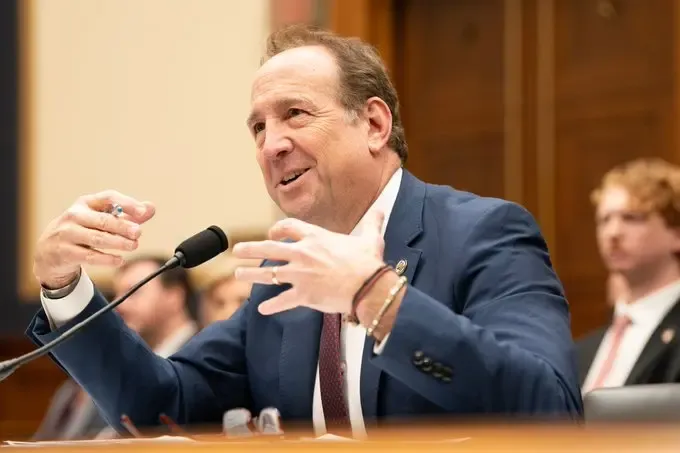
During a testimony before a House Judiciary subcommittee on Wednesday (local time), USPTO Director John Squires shared that the agency is implementing AI tools to hasten patent examinations and address a growing backlog of applications.
“AI tools will serve as our examiners’ superpowers,” Squires informed the lawmakers, highlighting that new systems can swiftly identify prior art and assist examiners in managing increasingly intricate filings.
He noted that the office has already initiated the integration of AI throughout patent and trademark processes, utilizing tools that can generate search results in mere seconds rather than taking months.
Squires positioned this initiative as part of a comprehensive effort to modernize the agency and bolster the US innovation ecosystem. He referred to the USPTO as the “Central Bank of innovation,” emphasizing that each patent or trademark signifies “a potential job, a new business, or a competitive edge.”
The agency is also focused on significantly reducing its backlog of unexamined patent applications, which has reached unprecedented levels. Squires mentioned that proactive measures are in place to alleviate the backlog while simultaneously enhancing patent quality.
However, these reforms have faced intense scrutiny from lawmakers, with Democrats cautioning that policy changes might undermine oversight and politicize a historically independent agency.
Ranking member Hank Johnson expressed concerns that the USPTO has become “squarely” involved in partisan politics, raising issues regarding employee morale and fluctuating regulations.
“When policies change based on the political inclinations of an administration, it is American innovation that suffers,” Johnson remarked.
A major point of contention was the agency’s approach to patent challenges under the Patent Trial and Appeal Board (PTAB). Detractors argued that restricting repeated challenges could allow weak patents to remain valid and escalate litigation costs.
Squires defended the modifications, asserting that they aim to prevent system abuse and provide finality in disputes.
“There should come a time when there’s quiet title… and it must be resolved once and for all,” he stated.
Lawmakers also voiced worries concerning foreign influence and potential national security threats, especially regarding the involvement of foreign-backed entities in patent conflicts.
Squires indicated that the USPTO has implemented measures to tighten disclosure requirements and prevent foreign sovereign actors from participating in certain processes.
The hearing also addressed a controversial trademark application associated with a proposed “Board of Peace” initiative, with several lawmakers questioning possible conflicts of interest.
The USPTO received over 475,000 new patent applications in fiscal year 2025, indicating a consistent rise in demand for intellectual property protection.
Squires asserted that AI and IT modernization will be pivotal in managing this demand, alongside ongoing funding through user fees.
Point of View
The integration of AI into the patent system represents a significant step towards modernization. However, the potential for politicization and oversight challenges raises legitimate concerns that need addressing to ensure the integrity of the patent process.
NationPress
24 Sept 2026
Frequently Asked Questions
How will AI improve the patent examination process?
AI tools will enable examiners to identify prior art more quickly and manage complex filings more effectively, significantly speeding up the examination process.
What are the concerns regarding the new patent reforms?
Lawmakers have expressed worries that the reforms could weaken oversight and politicize the USPTO, potentially impacting American innovation.
What is the current status of the patent application backlog?
The USPTO is actively working to reduce its backlog of unexamined patent applications, which has reached historic levels.
How is the USPTO addressing foreign influence in patent disputes?
The USPTO has implemented stricter disclosure rules to block foreign sovereign actors from participating in certain patent proceedings.
What was the volume of patent applications in fiscal year 2025?
The USPTO received over 475,000 new patent applications in fiscal year 2025, reflecting strong demand for intellectual property protection.