US Allies Push Back Against Trump's Hormuz Initiative: Report
Synopsis
In a revealing report, key US allies have resisted President Trump's call to assist in reopening the strategically vital Strait of Hormuz, highlighting growing discord within the Western alliance amid increasing tensions in the Gulf region.
Key Takeaways
Major US allies are resisting Trump's call to reopen the Strait of Hormuz.
Germany has rejected participation outright, while Japan and Australia are hesitant.
The situation in the Gulf is escalating , with threats from Tehran increasing.
Oil prices are rising due to the ongoing conflict and navigation threats.
European leaders are taking a cautious stance amid these tensions.
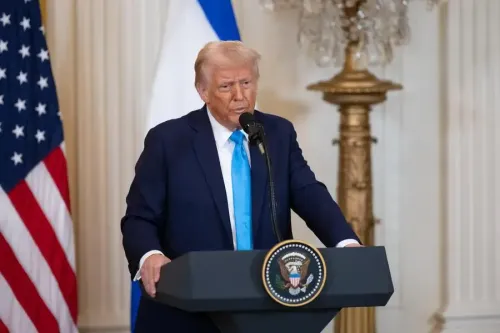
Washington, March 17 (NationPress) Major US allies have resisted President Donald Trump’s appeal to assist in reopening the Strait of Hormuz, as reported by The Wall Street Journal. This situation reveals growing divisions within the Western alliance amid escalating tensions in the Gulf.
Trump has been urging partners to back initiatives aimed at securing this vital oil passage and alleviating strains on the global economy. However, the reactions have been cautious and, in some instances, outright dismissive, according to the report.
Germany has completely ruled out participation. Japan and Australia have signaled they are unlikely to deploy naval vessels. Meanwhile, Britain and France are still evaluating their options without committing to immediate action, as detailed by The Wall Street Journal.
German Defence Minister Boris Pistorius sharply criticized the request, questioning what Trump expects from “a handful or two handfuls of European frigates” that the formidable US Navy cannot accomplish independently in the Strait of Hormuz.
“This is not our conflict. We did not initiate it,” he stated.
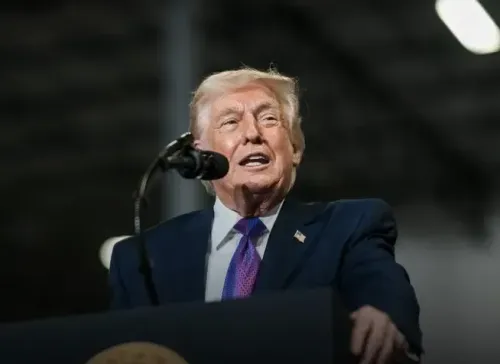
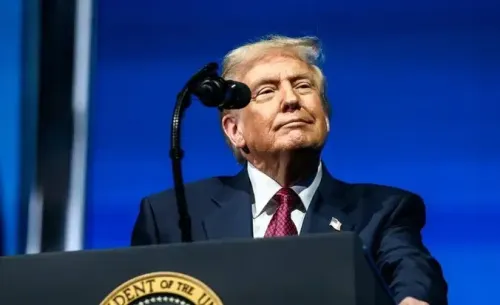
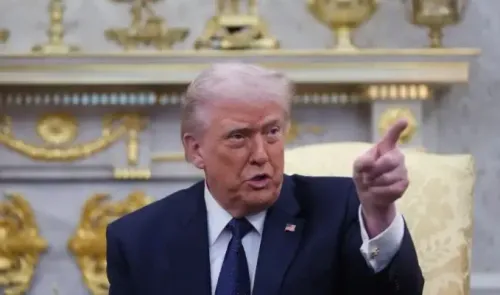
Despite this, Trump has increased his demands, warning allies that their refusal to support efforts to reopen the strait will be remembered. In an interview, he also cautioned that a lack of assistance from NATO allies could have dire future implications for the alliance.
The White House has indicated ongoing communication with allies, with Press Secretary Karoline Leavitt noting that Trump “continues to engage with our European partners and is urging their support.”
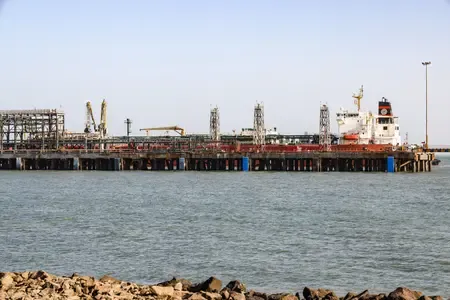
The hesitance comes at a time of rising dangers in the region. Tehran has threatened to target any vessels operating without its consent, resulting in a surge in oil prices since the onset of the conflict. Prior to the war, approximately 20 percent of the world's oil supply transited through the strait, but it is now largely inaccessible, as mentioned in the report.
European leaders have adopted a measured stance. British Prime Minister Keir Starmer affirmed that while his country is exploring options, there are clear boundaries.
“We will not be drawn into a broader conflict,” he stated. “Ultimately, we must reopen the Strait of Hormuz. However, this is no easy task.”
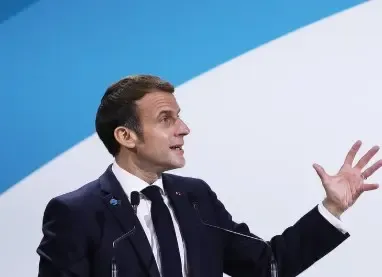
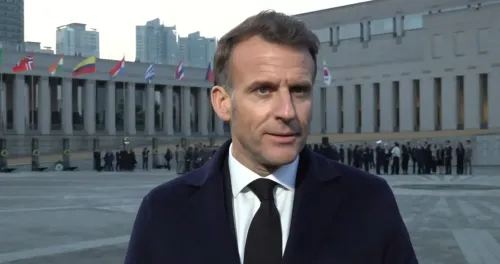
France has taken a more proactive approach but has not yet committed to immediate actions. President Emmanuel Macron has dispatched naval resources to the area and is working towards forming a coalition. Nevertheless, French officials assert that any actions will follow a cessation of hostilities.
Macron emphasized that the freedom of navigation in the strait “must be restored as swiftly as possible.”
At the EU level, foreign ministers convened in Brussels to discuss the situation but refrained from expanding current naval operations. EU foreign policy chief Kaja Kallas remarked, “Nobody is keen to actively engage in this conflict.”
Point of View
The hesitance of key US allies to support President Trump's initiatives in the Strait of Hormuz underscores critical geopolitical divides. As tensions rise, the potential ramifications for global oil supply and international relations are significant and warrant close attention.
NationPress
30 Sept 2026
Frequently Asked Questions
Why are US allies hesitant to support Trump's call?
US allies have expressed concerns about engaging in what they consider a conflict that is not their own and have cited the capabilities of the US Navy as sufficient to manage the situation.
What has Germany stated regarding participation?
Germany has outright rejected any participation in the initiative, emphasizing that the conflict is not theirs to engage in.
How has Trump responded to the reluctance from allies?
Trump has increased pressure on allies, warning that their refusal to support efforts in the Strait could have negative consequences for future alliances.
What are the implications of the situation in the Strait of Hormuz?
The Strait of Hormuz is a critical passage for global oil supply, and any threats to navigation could significantly impact oil prices and supply chains worldwide.
What stance are EU leaders taking?
EU leaders have shown a cautious approach, discussing the situation without committing to expanding naval operations, with a general reluctance to engage actively in the conflict.