Amarnath Yatra suspended from July 19 amid heavy rainfall warning
Synopsis
The Amarnath Yatra was halted on 19 July from both the Pahalgam and Baltal routes after the IMD flagged heavy rainfall — and unusually, pilgrims themselves are backing the call. With monsoon unpredictability rising across the Western Himalayas, the administration's pre-emptive move marks a sharper safety-first posture for one of India's most high-stakes pilgrimages.
Key Takeaways
The Amarnath Yatra was temporarily suspended from 19 July on both the Pahalgam and Baltal routes due to an adverse IMD weather forecast.
Divisional Commissioner Anshul Garg confirmed no onward pilgrim movement from Baltal and Nunwan/Chandanwari base camps until further notice.
Pilgrims in Jammu voiced broad support for the suspension, citing safety as the priority.
One pilgrim advised those yet to depart to avoid bringing senior citizens and children until weather improves.
Resumption will be announced only after a comprehensive assessment of route safety and weather conditions.
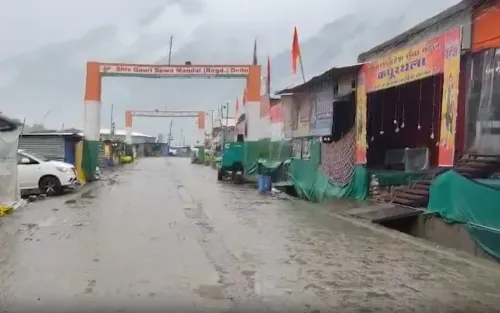
The Jammu and Kashmir administration temporarily suspended the Amarnath Yatra on 19 July from both the Pahalgam and Baltal routes, citing an adverse weather forecast issued by the India Meteorological Department (IMD). Pilgrims on the ground have broadly welcomed the precautionary move, expressing confidence in the administration's judgement over their safety.
Official Order and What It Covers
Anshul Garg, Divisional Commissioner, Kashmir, confirmed that no onward movement of pilgrims would be permitted from the Baltal and Nunwan/Chandanwari base camps with effect from 19 July. The suspension applies to both major trekking routes and will remain in force until route safety is verified and a comprehensive reassessment of weather conditions is completed. Updates on resumption will be issued in due course, officials said.
How Pilgrims Are Responding
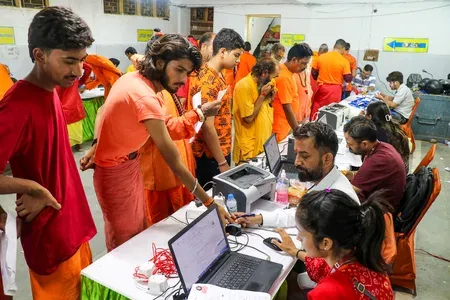
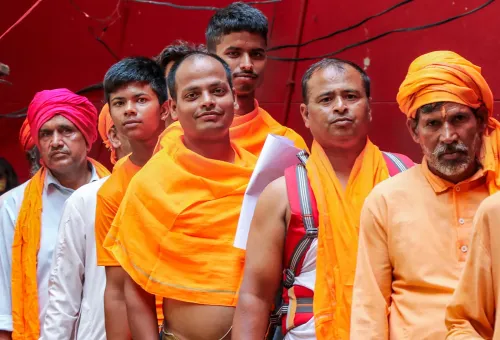
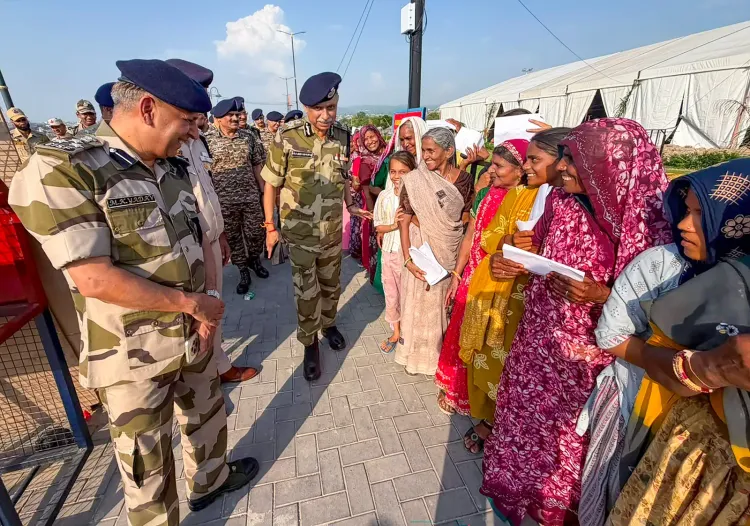
Pilgrims stranded in Jammu spoke to reporters, voicing support for the administration's call. 'We came to know that heavy rainfall is expected here, so the government has temporarily suspended the Yatra. The administration will review the weather before resuming. This is a very good decision by the administration...as there can be heavy rain ahead,' one pilgrim said.
A second pilgrim, who had arrived a day earlier, echoed the sentiment: 'Due to the bad weather, the Yatra has been suspended for now. From a safety point of view, this is necessary, and we have no objection to it.' He added that even if the suspension extended further, pilgrims remained willing to comply. 'If the weather worsens further, leading to suspension of the Yatra for more days, we are still willing to comply,' he said.
Safety Advisory From Pilgrims Themselves
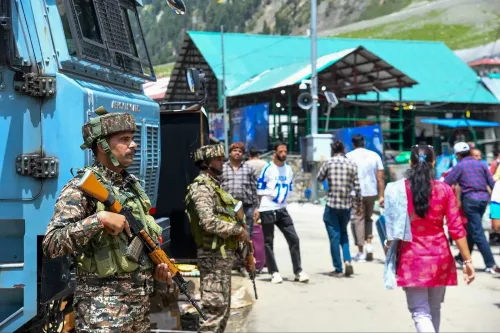
One pilgrim urged those yet to depart for the shrine to leave senior citizens and children behind until conditions improve. 'I would suggest that since the weather is not good, those pilgrims who are yet to come should not bring senior citizens and children so that they don't face difficulties,' he said. Pilgrims also praised the security arrangements in Jammu, noting they had not encountered any problems so far.
Context and Background
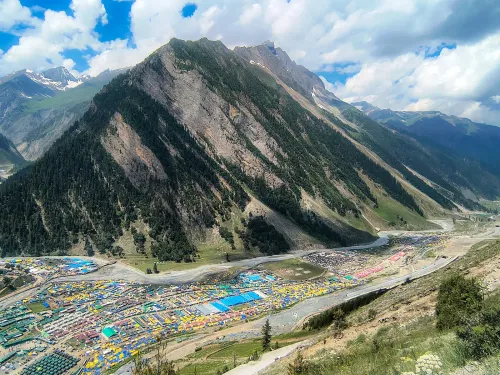
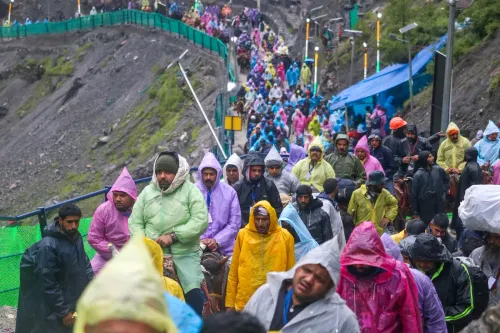
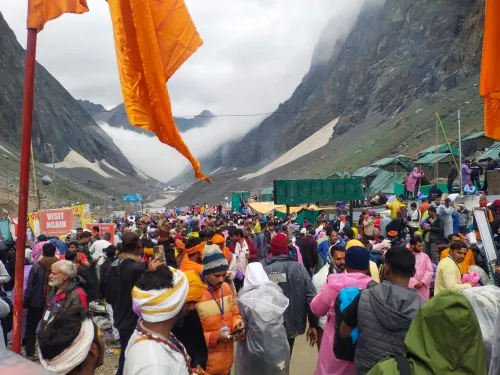
The annual Amarnath Yatra, one of India's most significant Hindu pilgrimages, draws hundreds of thousands of devotees each year to the high-altitude cave shrine in the Himalayas. The route passes through terrain that is highly susceptible to cloudbursts, flash floods, and landslides during the monsoon season. Weather-related suspensions are not uncommon — in 2023, the pilgrimage was halted multiple times following cloudbursts in the region. This comes amid a broader pattern of increasingly erratic monsoon behaviour across the Western Himalayas, which has prompted authorities to lean more heavily on IMD forecasts before clearing pilgrim movement.
What Happens Next
The administration has not indicated a specific date for resumption, tying any restart to a satisfactory weather and route-safety assessment. Pilgrims already at base camps are being advised to stay put, monitor official updates, and follow all instructions from the Jammu and Kashmir administration. Despite the disruption, pilgrims expressed an unwavering resolve to complete the Yatra once conditions permit.
Point of View
But the degree of pilgrim buy-in this time is notable — and worth examining. Authorities have historically faced pushback when suspending the pilgrimage, given the logistical and financial costs for devotees who travel from across the country. The fact that pilgrims are not only accepting but actively endorsing the decision suggests the administration's communication has been clearer than in past seasons. What remains untested is the resumption protocol: without a transparent, IMD-linked threshold for restarting movement, the risk is that political pressure — rather than meteorological data — ends up driving the call to reopen the route.
NationPress
18 Oct 2026
Frequently Asked Questions
Why has the Amarnath Yatra been suspended?
The Amarnath Yatra was suspended on 19 July due to an adverse weather forecast issued by the India Meteorological Department (IMD), which warned of heavy rainfall along the pilgrimage routes. The Jammu and Kashmir administration halted movement from both the Pahalgam and Baltal routes as a precautionary safety measure.
Which routes are affected by the suspension?
Both the Pahalgam route and the Baltal route have been suspended. No onward movement of pilgrims is being permitted from the Baltal and Nunwan/Chandanwari base camps until the administration issues a fresh clearance.
When will the Amarnath Yatra resume?
No specific resumption date has been announced. Officials have said updates will be issued after a comprehensive assessment of weather conditions and route safety is completed.
How are pilgrims reacting to the suspension?
Pilgrims have broadly welcomed the decision, saying safety must take priority. Several urged fellow devotees yet to depart to avoid bringing senior citizens and children until conditions improve, while praising the security arrangements already in place at Jammu.
Is weather suspension of the Amarnath Yatra common?
Yes. The pilgrimage passes through high-altitude Himalayan terrain that is prone to cloudbursts, flash floods, and landslides during the monsoon season. Weather-related suspensions have occurred in previous years, including multiple halts in 2023 following cloudbursts in the region.