Could WMO's Warning of Deadly Asia Floods Signal a Crisis?
Synopsis
As devastating floods wreak havoc across South and Southeast Asia, WMO's alarming report highlights the urgent need for regional support and enhanced forecasting systems. With hundreds dead and millions affected, can the region come together to combat this escalating climate crisis?
Key Takeaways
Severe flooding has resulted from monsoon rains and cyclones.
Hundreds of lives lost and millions displaced.
Countries like Indonesia and Sri Lanka are among the hardest hit.
Urgent need for improved regional forecasting and disaster preparedness.
Climate change is exacerbating the frequency of such disasters.
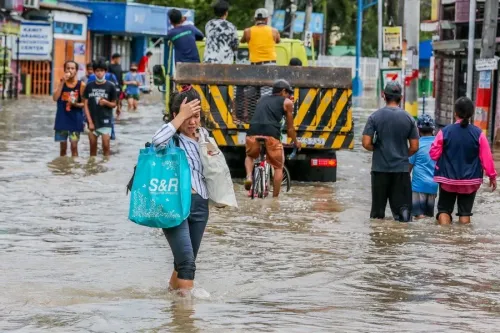
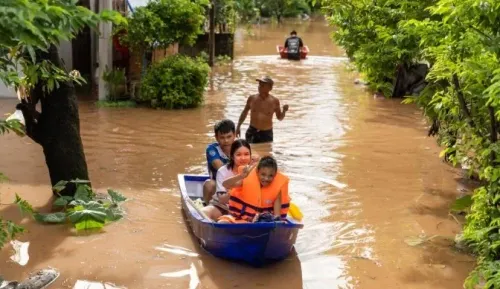
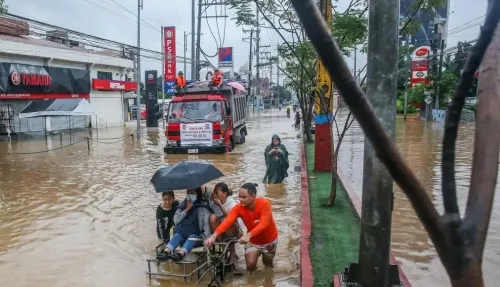
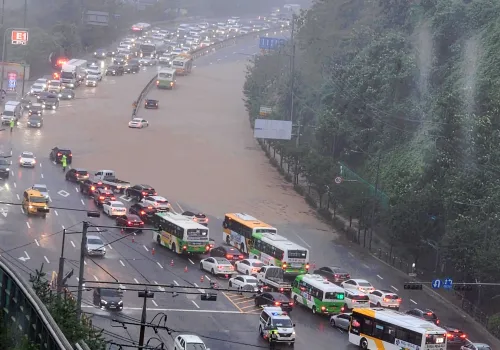
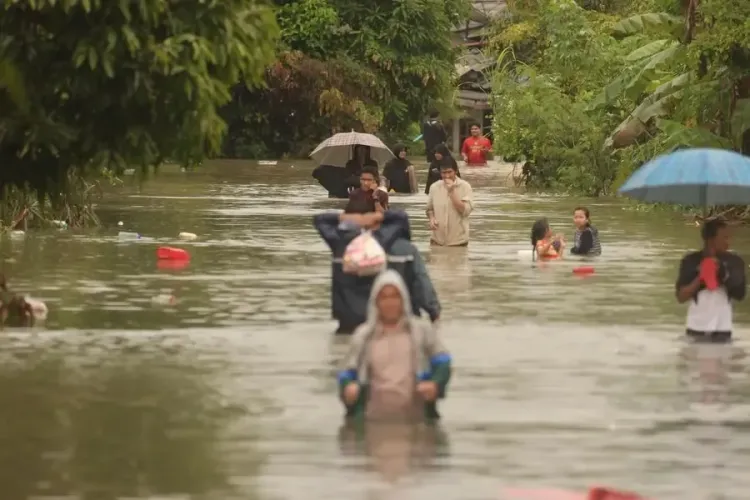
Geneva, Dec 3 (NationPress) Severe monsoon rains and tropical cyclones have caused devastating flooding in various regions of South and Southeast Asia, resulting in the loss of hundreds of lives, displacement of communities, and significant economic turmoil, according to the World Meteorological Organization (WMO).
At a UN press conference in Geneva, Clare Nullis, a representative of the WMO, stated that Indonesia, the Philippines, Thailand, Vietnam, and Sri Lanka are particularly affected, as monsoon rains merge with tropical typhoons.
Flooding continues to rank among the region's most significant hazards, with rising temperatures heightening the chances of increasingly intense rainfall, she cautioned.
In Sumatra, Indonesia, authorities report over 600 fatalities and more than 460 individuals missing, with more than 1.5 million people impacted.
Vietnam has endured relentless rains for weeks, with certain locales receiving upwards of 1,000 millimeters of precipitation, severely damaging historical and tourist sites. A weather station in Hue City recorded a stunning 1,739.6 mm of rain within just 24 hours in late October, setting a new national record and potentially marking the second-highest 24-hour total ever recorded in the Northern Hemisphere and Asia. The country has reported 98 deaths and 10 missing, according to Xinhua.
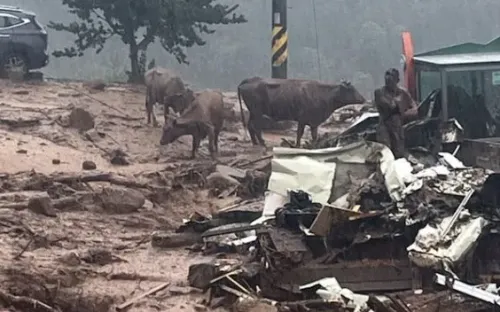
The Philippines, still in recovery from previous typhoons, is bracing for another storm, while in Sri Lanka, nearly one million people have been impacted and over 400 are reported dead or missing after Cyclonic Storm Ditwah triggered unprecedented floods and landslides. Sri Lanka has declared a national disaster, expressing that such extreme conditions have not been witnessed in years.
Ricardo Pires from the United Nations Children's Fund (UNICEF) reported that more than 275,000 children have been affected by Cyclone Ditwah, which caused severe flooding and landslides after making landfall on the east coast of Asia on November 28. With numerous regions still inaccessible, the actual number of affected individuals could be even higher, he noted.
This calamity underscores the urgent need to enhance regional forecasting systems, bolster coping capacities, and improve data sharing, Nullis emphasized.
The Asia-Pacific region is currently experiencing the world’s highest rate of typhoon activity, and no single institution or nation can tackle tropical cyclones or climate change independently, she asserted.
Point of View
The recent catastrophic flooding in South and Southeast Asia serves as a stark reminder of the urgent need for enhanced climate resilience strategies. With the WMO's warnings echoing the realities faced by affected nations, our collective responsibility is to ensure that support and resources are directed where they are most needed, emphasizing the importance of regional cooperation in addressing climate change and disaster preparedness.
NationPress
6 Oct 2026
Frequently Asked Questions
What caused the recent flooding in Asia?
The flooding in Asia was primarily caused by severe monsoon rains and tropical cyclones, exacerbated by climate change.
How many people have been affected by the floods?
Over 1.5 million people have been affected across various countries, with significant casualties reported.
Which countries are most impacted by the flooding?
The countries most impacted include Indonesia, the Philippines, Thailand, Vietnam, and Sri Lanka.
What actions are being taken to address the flooding?
Authorities are working on enhancing regional forecasting systems and improving disaster response capabilities.
What is the future outlook for the affected regions?
The outlook remains concerning as rising temperatures increase the likelihood of more intense rainfall and flooding in the future.