Assam floods 2025: Rainfall 400% above normal, says CM Himanta Biswa Sarma
Synopsis
Assam's 2025 floods weren't a monsoon overrun — they were a weather anomaly. With rainfall exceeding 400% of normal in parts of the state, areas historically considered flood-safe were submerged, forcing a fundamental rethink of where Assam is vulnerable. CM Sarma's admission signals the crisis goes well beyond routine disaster management.
Key Takeaways
Assam CM Himanta Biswa Sarma on 27 July described the 2025 floods as unprecedented in scale and nature.
Rainfall in several parts of Assam was recorded at more than 400 per cent above normal , triggering the disaster.
Floodwaters inundated areas on higher ground that had historically remained outside the flood-prone belt.
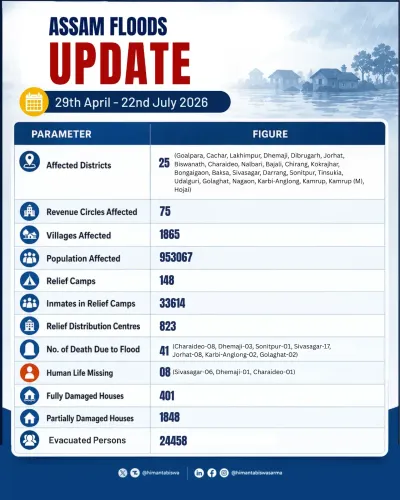
The floods have damaged hundreds of villages across multiple districts, affecting homes, roads, embankments, and farmland.
Rescue teams, district administrations, and government agencies have been deployed for relief; rehabilitation is expected to continue over the coming weeks.
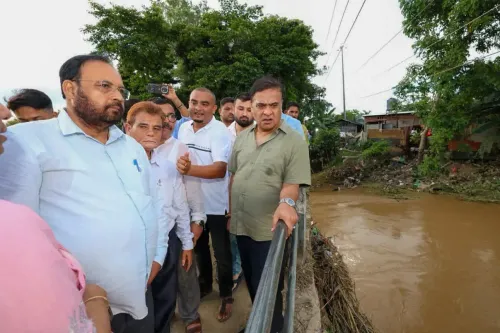
Assam Chief Minister Himanta Biswa Sarma on Monday, 27 July said the floods that have ravaged large parts of the state this season are unlike any conventional monsoon inundation, driven by rainfall recorded at more than 400 per cent above normal in several districts. Speaking to reporters in Guwahati, Sarma described the scale and nature of the disaster as unprecedented, warning that the crisis has upended historical flood-risk assumptions across the state.
What Made These Floods Different
According to Chief Minister Sarma, the floodwaters did not arise primarily from overflowing rivers — the conventional trigger for Assam's annual flood cycle — but from intense, concentrated rainfall over a short period. This pattern inundated villages and urban pockets that have historically sat outside the flood-prone belt, including areas on relatively higher ground that had rarely, if ever, witnessed such waterlogging.
Sarma said the unusual weather pattern converted what would ordinarily be manageable rainwater accumulation into a large-scale humanitarian crisis, stretching the state's relief machinery to its limits.
Scale of Devastation
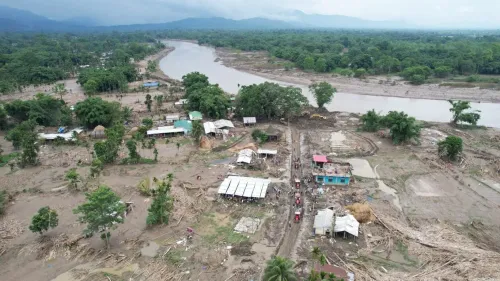
The floods have affected hundreds of villages across multiple districts of Assam, causing significant damage to homes, roads, embankments, and agricultural land. While water levels have begun receding in several areas, authorities continue to monitor vulnerable locations and carry out relief and restoration work.
This comes amid a broader pattern of extreme weather events intensifying across northeastern India in recent years, with climate scientists increasingly linking above-normal precipitation episodes to shifting monsoon behaviour.
Relief and Rescue Operations
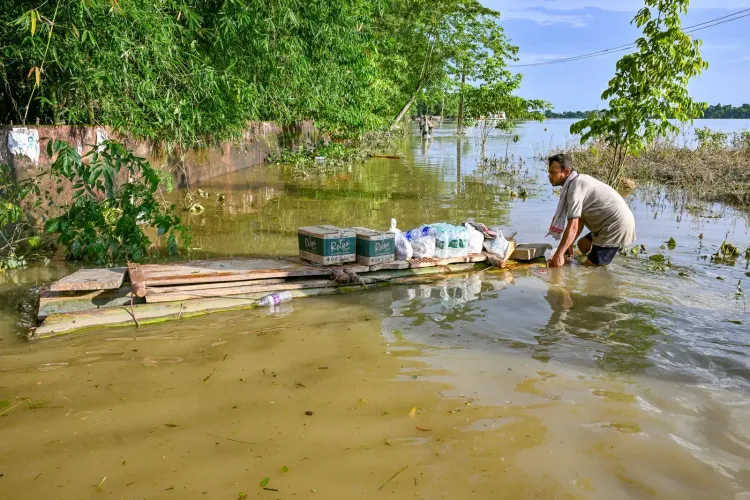
Sarma said the state government has been working round the clock to deliver relief and rehabilitation to affected families. Rescue teams, district administrations, and multiple government agencies have been mobilised to ensure food, drinking water, medical assistance, and other essential supplies reach those stranded in flood-hit areas.
The Chief Minister also acknowledged the contribution of citizens, volunteers, and social organisations, saying the collective response reflected the spirit of solidarity among the people of Assam.
Road to Rehabilitation
State authorities have maintained that rebuilding damaged infrastructure and supporting affected families will remain a priority even after floodwaters fully recede. Rehabilitation efforts are expected to continue over the coming weeks, with the government signalling a sustained commitment beyond the immediate emergency phase.
With water levels still being monitored in several vulnerable zones, the full extent of agricultural and infrastructural losses is yet to be assessed.
Point of View
It means Assam's existing flood-risk maps, embankment systems, and early-warning infrastructure are calibrated for the wrong threat. The state has battled annual floods for decades, but the admission that historically safe, higher-ground areas were inundated points to a gap in preparedness that relief operations alone cannot fix. The harder question — whether the state's climate adaptation planning has kept pace with shifting monsoon patterns — remains unanswered in official statements.
NationPress
26 Oct 2026
Frequently Asked Questions
What caused the 2025 Assam floods according to CM Himanta Biswa Sarma?
CM Sarma attributed the floods to rainfall more than 400 per cent above normal in several parts of Assam over a short period, rather than the conventional cause of overflowing rivers. He described the event as unprecedented, noting it inundated areas historically considered safe from flooding.
Which areas of Assam were affected by the floods?
Hundreds of villages across multiple districts were affected, including areas on relatively higher ground that had rarely witnessed flooding in the past. Homes, roads, embankments, and agricultural land suffered significant damage.
What relief measures has the Assam government deployed?
The state government mobilised rescue teams, district administrations, and government agencies to deliver food, drinking water, medical assistance, and essential supplies to stranded residents. Citizens, volunteers, and social organisations have also been active in the relief effort.
When will flood rehabilitation in Assam be completed?
The state government has not given a specific timeline, but has stated that rebuilding damaged infrastructure and supporting affected families will remain a priority after floodwaters recede, with rehabilitation efforts expected to continue over the coming weeks.
How do the 2025 Assam floods compare to previous years?
CM Sarma described this year's floods as unlike conventional monsoon floods, saying areas that have historically remained outside flood-prone zones were inundated. The 400-per-cent-above-normal rainfall figure marks this event as an outlier even by Assam's flood-prone standards.