Baloch Students Protest 2nd Day Over Enforced Disappearance of Female Medical Student
Synopsis
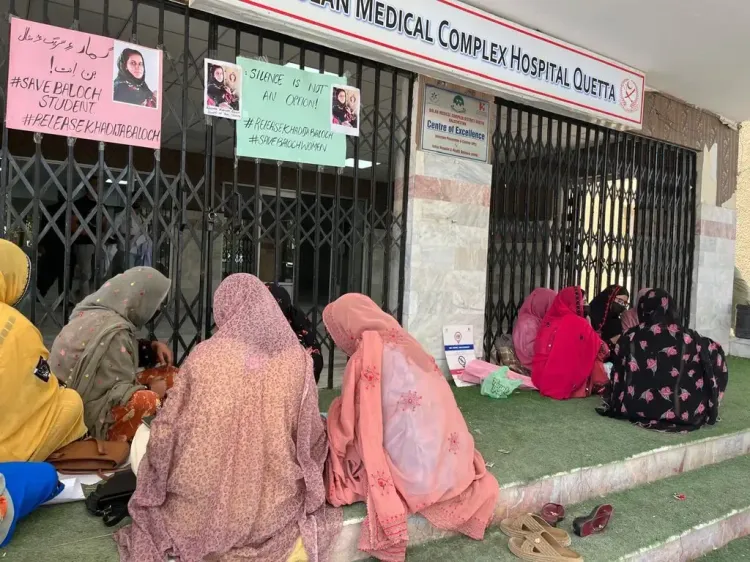
Bolan Medical College students in Quetta protested for a second straight day after Pakistani forces allegedly abducted female student Khadija Baloch from her hostel. Rights groups warn women are increasingly being targeted, calling it a dangerous escalation in Balochistan's long-running enforced disappearance crisis.
Key Takeaways
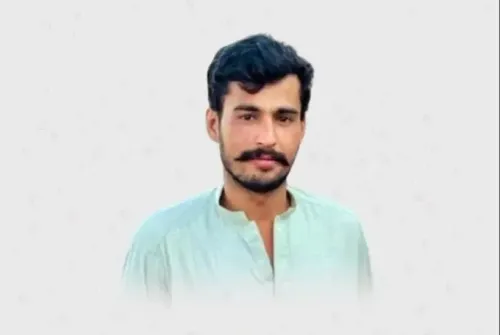
Khadija Baloch , a female student at Bolan Medical College, Quetta , was allegedly abducted by Pakistani security forces from her hostel on Tuesday, April 22, 2025 .
Students at BMC staged protests for a second consecutive day on April 24 , demanding her immediate and safe recovery.
The Baloch Yakjehti Committee (BYC) stated that enforced disappearances of women in Balochistan are increasing at an alarming rate.
The Baloch Voice for Justice (BVJ) called the targeting of Baloch women a deliberate attempt to intimidate and suppress voices seeking justice.
Naseem Baloch , chairman of the Baloch National Movement (BNM) , described the abduction as a crime against humanity and called on the international community to hold Pakistan accountable.
Pakistan's Commission of Inquiry on Enforced Disappearances has acknowledged thousands of such cases over two decades yet accountability remains virtually non-existent.
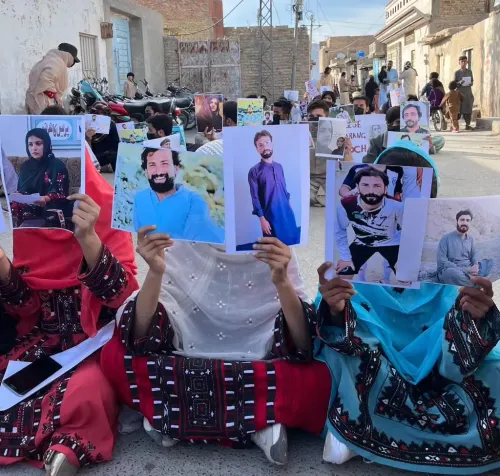
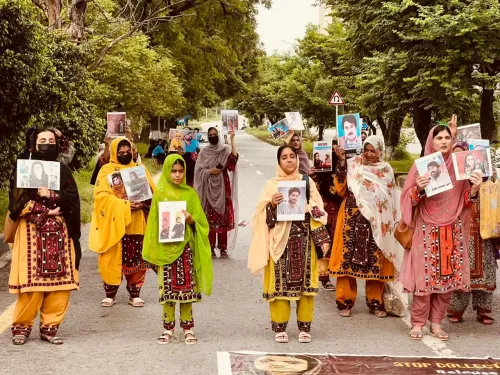
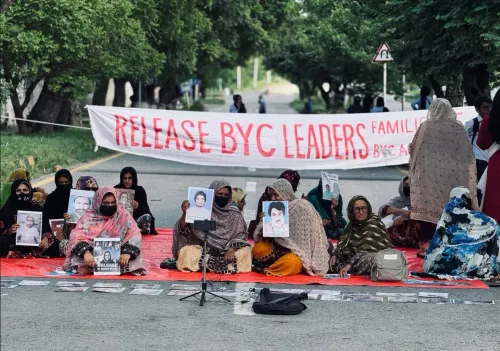
Quetta, April 23: Students at Bolan Medical College (BMC) in Quetta, Balochistan, entered their second consecutive day of protest on Thursday demanding the immediate and safe recovery of Khadija Baloch, a female student allegedly abducted by Pakistani security forces from the BMC female hostel on Tuesday, April 22. The incident has drawn sharp condemnation from multiple Baloch rights organisations and political bodies, reigniting global attention on the deepening crisis of enforced disappearances in Pakistan's restive southwestern province.
How Khadija Baloch Was Disappeared
According to the Baloch Yakjehti Committee (BYC), Khadija Baloch was forcibly taken by Pakistani security personnel from the BMC female hostel in Quetta and transferred to an undisclosed location. Since her abduction, neither her family nor fellow students have received any information regarding her whereabouts or physical condition.
The BYC warned that enforced disappearances of women in Balochistan are escalating at an alarming pace. It is not far that every household will suffer this fate; anyone, from anywhere, can be picked up, disappear, and later be labelled a terrorist, the committee stated, urging the Baloch nation to unite against what it described as systematic state atrocities.
Rights Bodies Sound Alarm Over Targeting of Women
The Baloch Voice for Justice (BVJ) expressed grave concern over the incident, stating that the deliberate targeting of Baloch women signals a dangerous and calculated escalation by Pakistani state forces. Reports of such cases are rising, creating fear across communities. Families face violence, uncertainty, and silence, the rights body stated.
The BVJ called for immediate accountability and the safe return of Khadija Baloch, warning that continued silence from authorities would deepen mistrust and prolong suffering. It urged citizens across Balochistan to raise their voices collectively and demand a permanent end to enforced disappearances.
BNM Chairman Calls It a Crime Against Humanity
Naseem Baloch, chairman of the Baloch National Movement (BNM), condemned the abduction in unequivocal terms, describing it as evidence of Pakistan's broader campaign of abductions, torture, and collective punishment against Baloch civilians.
Targeting a young student, a woman striving for education, is not just repression; it is a heinous crime against humanity. It is a genocide going on in Balochistan. And yet, the world remains shamefully silent, Naseem posted on X (formerly Twitter). He called on the international community to break its silence and hold Pakistan accountable for ongoing human rights violations.
A Deepening Pattern: Balochistan's Enforced Disappearance Crisis
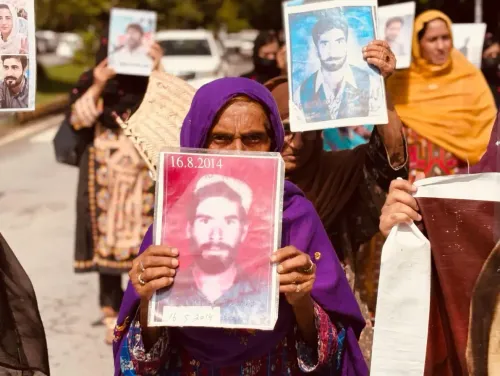
The abduction of Khadija Baloch is not an isolated incident. Rights organisations and United Nations bodies have for years documented a systematic pattern of enforced disappearances in Balochistan, where activists, students, journalists, and ordinary civilians are routinely picked up by security agencies without due process, often never to return.
Pakistan's Commission of Inquiry on Enforced Disappearances has itself acknowledged thousands of such cases over the past two decades, though activists argue the real numbers are far higher and that accountability remains virtually non-existent. The targeting of a female medical student inside a college hostel marks what observers call a chilling new frontier in the state's suppression strategy, one aimed at silencing educated, vocal youth who document and resist abuses.
This comes amid rising international scrutiny of Pakistan's human rights record, with multiple UN Special Rapporteurs and global watchdogs including Amnesty International and Human Rights Watch repeatedly flagging Balochistan as a zone of systematic state violence. The silence of the broader international community continues to embolden rather than restrain these actions.
What Happens Next
Protests at Bolan Medical College are expected to continue and potentially expand to other educational institutions across Balochistan if authorities do not respond to demands for Khadija Baloch's safe release. The BYC and BVJ have indicated they will escalate their campaigns if silence persists.
The international community, human rights bodies, and the Pakistani judiciary now face renewed pressure to intervene. With Balochistan's crisis increasingly drawing diaspora attention and social media amplification, the case of Khadija Baloch could become a flashpoint that forces a broader reckoning with Pakistan's enforced disappearance machinery.
Point of View
Shielded by geopolitical alliances that prioritise regional stability over human rights accountability. The international community's continued silence despite documented thousands of disappearances is not neutrality; it is complicity dressed in diplomatic language.
NationPress
6 Oct 2026
Frequently Asked Questions
Who is Khadija Baloch and why was she abducted?
Khadija Baloch is a female student at Bolan Medical College in Quetta, Balochistan, who was allegedly abducted by Pakistani security forces from her hostel on April 22, 2025. No official reason has been provided for her detention and her whereabouts remain unknown to her family and peers.
What is the Baloch Yakjehti Committee (BYC)?
The Baloch Yakjehti Committee (BYC) is a Balochistan-based civil society and rights organisation that documents and protests enforced disappearances and human rights violations by Pakistani security forces. It has been at the forefront of organising protests over Khadija Baloch's abduction.
How serious is the enforced disappearance crisis in Balochistan?
Enforced disappearances in Balochistan have been documented for over two decades, with Pakistan's own Commission of Inquiry acknowledging thousands of cases. Rights groups including Amnesty International and Human Rights Watch say the actual numbers are significantly higher with near-zero accountability for perpetrators.
What are students at Bolan Medical College demanding?
Students at Bolan Medical College in Quetta are demanding the immediate and safe recovery of Khadija Baloch, who they say was forcibly taken by Pakistani security forces. They entered their second consecutive day of protest on April 24, 2025, outside the college premises.
Has the international community responded to Balochistan's disappearance crisis?
Despite repeated appeals from Baloch rights organisations and statements by UN Special Rapporteurs, the international response to Balochistan's enforced disappearance crisis has been largely muted. Baloch leaders like Naseem Baloch of the BNM have publicly accused the world of shameful silence in the face of what they describe as ongoing genocide.