Baloch Women Enforced Disappearances: Rights Group Sounds Alarm
Synopsis
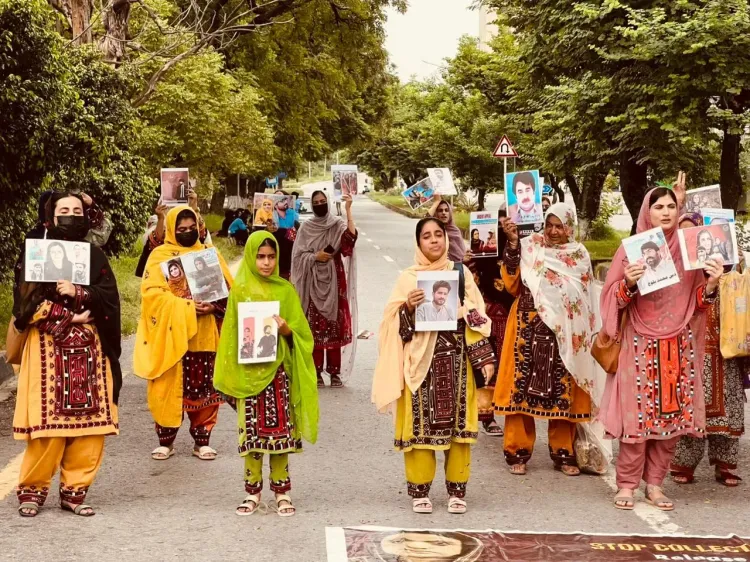
The Baloch Women Forum has raised a red flag over the enforced disappearances of four Baloch women including a student abducted from her hostel in Quetta allegedly by Pakistani security forces. With student protests entering a third day and families reportedly being silenced, the crisis signals a terrifying new escalation in Balochistan's decades-long human rights nightmare.
Key Takeaways
Four Baloch women including Husseina Baloch, Gul Bano, Samina Baloch, and Khadija Baloch were allegedly subjected to enforced disappearances by Pakistani security forces in April 2025 .
The Baloch Women Forum (BWF) described the targeting of women as an extremely alarming new trend in Balochistan's two-decade-long human rights crisis.
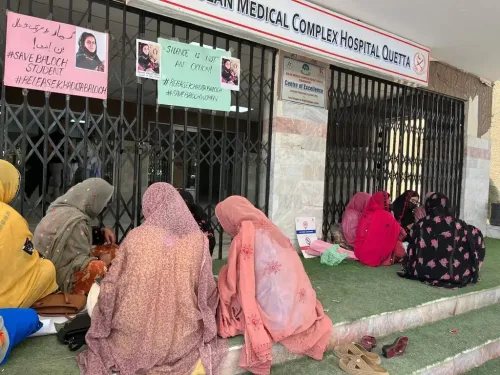
Khadija Baloch was abducted from the Bolan Medical College female hostel in Quetta on Tuesday , triggering a three-day student sit-in protest .
The BWF alleged that victims' families are being pressured to accept compensation and stay silent , which it called a violation of justice and human dignity.
The Baloch Yakjehti Committee (BYC) accused Quetta police of profiling and photographing protesters instead of working toward the missing women's release.
Both the BWF and BYC have appealed to international human rights organisations to intervene and hold Pakistani authorities accountable.
The Baloch Women Forum (BWF) on Friday, April 25, 2025, sounded a grave alarm over a disturbing surge in enforced disappearances of Baloch women and minor girls in Balochistan and Karachi, directly attributing the abductions to Pakistani security forces. The rights group confirmed that at least four women were forcibly taken from their homes and hostels within days, raising urgent questions about the Pakistani state's escalating targeting of civilian women in a region already synonymous with human rights violations.
Four Women Abducted in Days: Who Are the Victims?
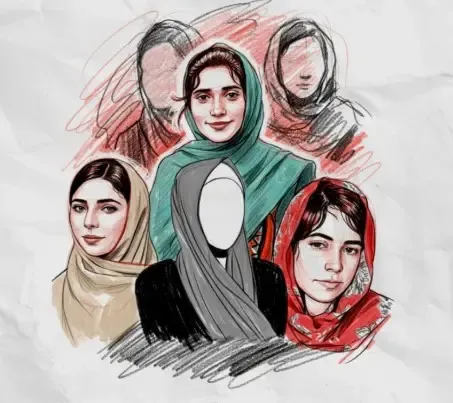
The BWF identified the four victims as Husseina Baloch, Gul Bano, Samina Baloch, and Khadija Baloch. All four were reportedly taken from their residences or student hostels without any legal warrant or formal charge, a hallmark pattern of enforced disappearances that human rights bodies have long documented in Balochistan.
The case of Khadija Baloch has drawn particular attention. According to the Baloch Yakjehti Committee (BYC), she was abducted on Tuesday by Pakistani security forces from the Bolan Medical College (BMC) female hostel in Quetta and taken to an undisclosed location. As of Friday, neither her family nor fellow students had received any information about her condition or whereabouts.
Student Sit-In Protest Enters Third Day in Quetta
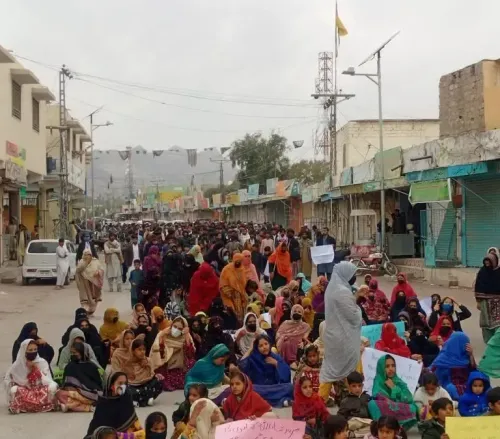
A sit-in protest by students outside Bolan Medical College in Quetta entered its third consecutive day on Friday, with demonstrators demanding the immediate release of Khadija Baloch. The protest has drawn growing participation despite what the BYC describes as active intimidation by authorities.
The BYC stated that instead of engaging meaningfully, the administration has been profiling protesters, photographing participants, and using negotiations as a cover for harassment. The committee issued a stark warning that if any harm comes to any participant of the sit-in, the responsibility will lie squarely with the Quetta police.
Families Allegedly Pressured to Stay Silent
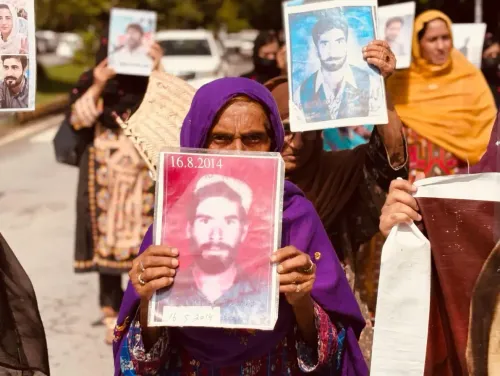
One of the most disturbing elements highlighted by the BWF is the alleged coercion of victims' families. The organisation raised alarm over reports that affected families are being pressured to accept compensation, remain silent, and issue public statements, effectively being forced to legitimise the disappearances.
The BWF called this practice a direct violation of the fundamental principles of justice, transparency, and the dignity of victims. If substantiated, such actions would also constitute obstruction of justice under both Pakistani constitutional law and international human rights norms.
Two Decades of Enforced Disappearances Now Targeting Women
Balochistan has been at the epicentre of enforced disappearances for over two decades, with thousands of cases predominantly involving men documented by bodies including the UN Working Group on Enforced or Involuntary Disappearances and Human Rights Watch. The deliberate targeting of women marks a chilling escalation designed to suppress dissent by striking at the most vulnerable.
This pattern aligns with what critics describe as collective punishment, where families, students, and community members of activists or dissidents are targeted to deter resistance. Targeting women in a conservative Baloch society carries a particularly severe psychological and social impact, amplifying fear across entire communities.
BWF and BYC Demands: Accountability and International Attention
The BWF issued a clear set of demands to Pakistani authorities: conduct transparent and effective investigations into all enforced disappearances, ensure the immediate recovery and court presentation of missing persons, identify and prosecute those responsible under national and international law, and protect affected families from further pressure or harassment.
The BYC separately called on the people of Balochistan and international human rights organisations to amplify their voices against what it termed systematic oppression by Pakistani authorities. As protests continue in Quetta and pressure mounts from rights groups, the international community including the United Nations and Amnesty International will face growing calls to formally respond to what advocates describe as a state-sponsored campaign against Baloch women.
Point of View
It has crossed from counterinsurgency into collective punishment. Pakistan's establishment has long used enforced disappearances as a tool of political control in Balochistan, but the deliberate targeting of women signals a grotesque escalation designed to maximise psychological damage on an entire community. The international community, particularly those nations that maintain strategic ties with Islamabad while lecturing on human rights, cannot afford to look away from this unfolding crisis.
NationPress
21 Sept 2026
Frequently Asked Questions
Who are the Baloch women who went missing in Pakistan in April 2025?
The four missing Baloch women identified by the Baloch Women Forum are Husseina Baloch, Gul Bano, Samina Baloch, and Khadija Baloch. They were reportedly taken from their homes and hostels in Balochistan and Karachi by Pakistani security forces within a span of a few days in April 2025.
What is the Baloch Women Forum demanding from Pakistani authorities?
The Baloch Women Forum has demanded transparent investigations into all enforced disappearances and the immediate recovery and court presentation of missing persons. It also demands accountability for those responsible under national and international law and protection of affected families from coercion.
Why is Khadija Baloch's case significant?
Khadija Baloch was abducted from the Bolan Medical College female hostel in Quetta by Pakistani security forces, sparking a three-day student sit-in protest. Her case has become a symbol of the broader crackdown on Baloch women with no information about her whereabouts provided to her family or fellow students.
How long has Balochistan faced the problem of enforced disappearances?
Balochistan has been grappling with enforced disappearances for over two decades with thousands of cases mostly involving men documented by international bodies including the UN Working Group on Enforced or Involuntary Disappearances. The recent targeting of women marks a disturbing and unprecedented escalation.
What is the Baloch Yakjehti Committee and what role is it playing?
The Baloch Yakjehti Committee is a civil society organisation coordinating protests demanding Khadija Baloch's release. It has accused Quetta police of profiling and intimidating protesters and has called on international human rights organisations to intervene against what it describes as state-sponsored oppression.