Should Bangladesh's Election Be Inclusive and Participatory?
Synopsis
As Bangladesh approaches its elections, EU Chief Observer Ivars Ijabs stresses the need for a transparent and inclusive electoral process. Discover how the EU plans to monitor media freedom and voter participation amid rising political tensions and violence ahead of the polls. Can the nation achieve a truly participatory election?
Key Takeaways
EU calls for inclusive electoral process Media freedom is a focus area for monitoring BNP raises alarm over political violence Candidate registration is crucial for fairness Preliminary report to be released post-elections
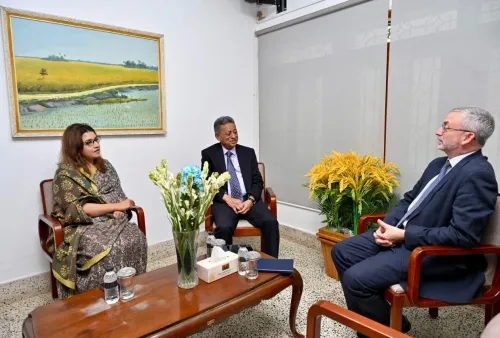
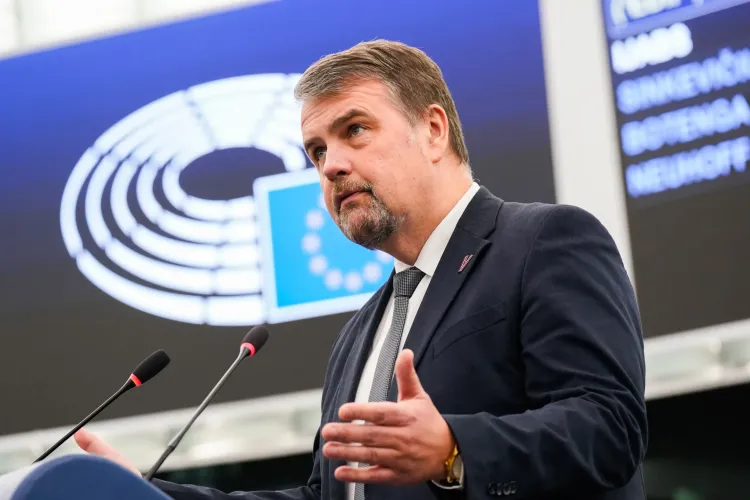
Dhaka, Jan 12 (NationPress) The Chief Observer of the European Union Election Observation Mission (EU EOM) in Bangladesh, Ivars Ijabs, has emphasized that the EU aims for the forthcoming elections in Bangladesh to be "inclusive and participatory", ensuring a peaceful, credible, and transparent electoral process, as reported by local media.
During a press conference in Dhaka, Ijabs detailed the EU's aspirations for the upcoming elections, highlighting the importance of participation and transparency. He noted that the mission will closely monitor the extent to which media can operate freely in Bangladesh's leading daily, Prothom Alo. Ijabs announced that the EU EOM will issue a preliminary report two days post the February 14 elections and will conduct a press conference in Dhaka on the same day.
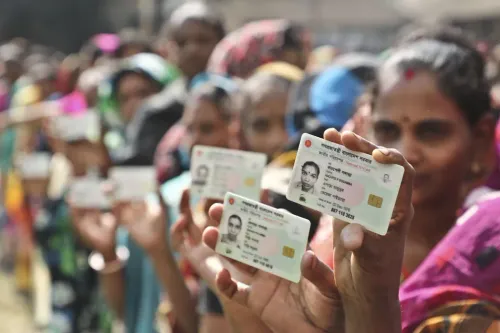
In response to inquiries regarding the EU's definition of an "inclusive and participatory" election, Ijabs elaborated, "From our perspective, inclusiveness means the engagement of all societal groups. In Bangladesh's context, this encompasses women, small ethnic communities, religious minorities, and regional groups. By participatory, we refer to the authentic involvement of voters."
He acknowledged that party registration poses challenges and recognized the complexities surrounding national reconciliation and transitional justice in Bangladesh, as reported by Prothom Alo. He stated that the EU will observe how these factors influence the elections and voter turnout.
Bangladesh's interim government has prohibited the Awami League's student wing, Bangladesh Chhatra League, from participating in the upcoming elections due to the suspension of the party’s registration.
When questioned about the EU observation mission's view on a level playing field for all election participants, Ijabs stated, “We will evaluate the level playing field from multiple perspectives. For instance, we are monitoring media access.”
He reiterated that candidate registration is a crucial aspect of a level playing field and that the EU is watching the ongoing appeals process related to nominations. Ijabs emphasized that the EU's observer team is assessing whether all candidates will have equal opportunities during the election.
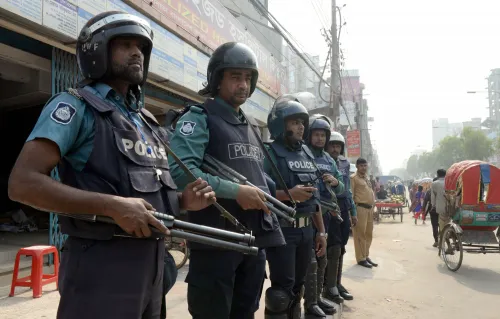
On January 9, the Bangladesh Nationalist Party (BNP) expressed serious concerns regarding the law and order situation in the country ahead of the February elections, criticizing the performance of law enforcement under the interim government led by Muhammad Yunus, local media reported.
“The rate at which political leaders are being killed, particularly some leaders from our party, is genuinely alarming,” quoted BNP Secretary General Mirza Fakhrul Islam Alamgir as saying during a briefing at his residence in Thakurgaon district.
“We have strongly condemned these killings, yet the government has taken no action. We hope the authorities will act responsibly and prevent such occurrences during the elections,” he added.
Meanwhile, a member of the BNP’s youth wing, Jubo Dal, was fatally attacked on January 8 in Panchbibi upazila of Joypurhat district, with his younger brother also injured, as reported by local media citing police officials.
The deceased, identified as 31-year-old Yanul Hossain, was an active member of Jubo Dal, while his 22-year-old younger brother, Abdul Momin, was injured during the assault.
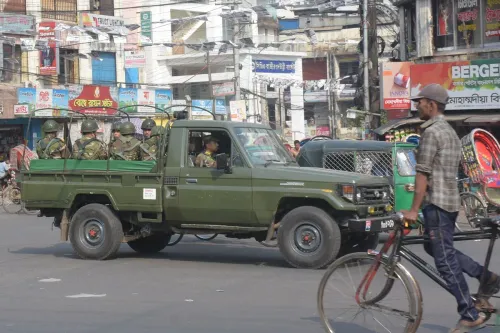
This recent incident occurs amidst a deteriorating law and order situation and rising political violence in Bangladesh ahead of the February 12 elections.
Point of View
The focus remains on fostering an environment where every voice can be heard. The nation stands at a crossroads, where inclusivity and participation are paramount for a stable and democratic future. The EU's commitment to monitoring the election process reflects a broader desire for transparency and fairness, which are crucial for restoring public trust in the electoral system.
NationPress
27 Sept 2026
Frequently Asked Questions
What does the EU mean by 'inclusive and participatory' elections?
The EU emphasizes the involvement of all social groups, including women, ethnic minorities, and regional communities, alongside ensuring credible voter participation.
How will the EU monitor the elections in Bangladesh?
The EU Election Observation Mission will monitor various aspects, including media access, candidate registration, and overall election credibility.
What recent concerns has the BNP raised regarding the elections?
The BNP has expressed serious concerns about the law and order situation and the alarming rate of violence against political leaders ahead of the elections.
When will the EU release its preliminary report on the elections?
The EU EOM plans to release a preliminary report two days after the elections, on February 16.
What impact does the ongoing political violence have on the elections?
The escalating political violence raises concerns about voter turnout and the overall integrity of the election process.