How Did Seven Women Win in Bangladesh's Elections Despite Record Low Female Participation?
Synopsis
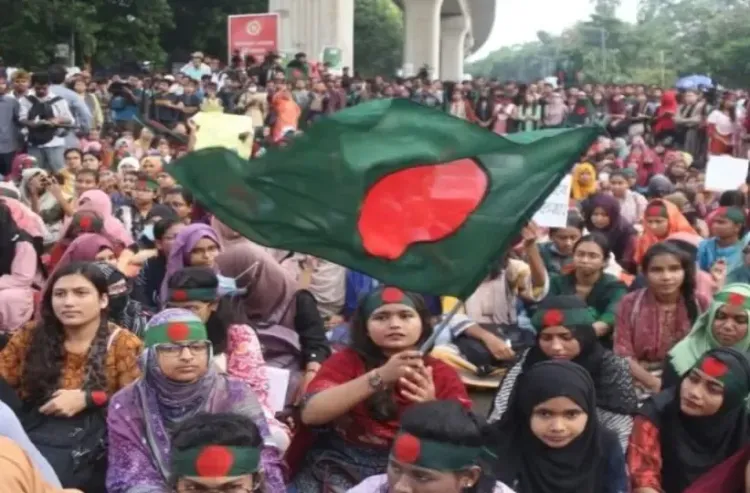
In a historic turn of events during Bangladesh's 13th parliamentary elections, the country faced the alarming reality of record-low female participation, yet seven women emerged victorious in their respective constituencies. This article delves into the implications of this outcome amid widespread concerns over women's safety and representation in politics.
Key Takeaways
Seven women won seats in Bangladesh's elections amid low female participation.
The BNP secured victories for six of its female candidates.
Concerns over violence and harassment against women candidates were raised by the UN .
Women constitute only 4.24% of candidates in this election.
Several parties completely excluded women from candidacy.
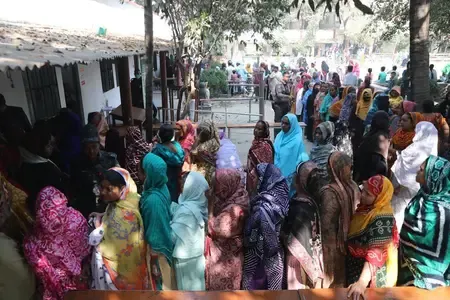
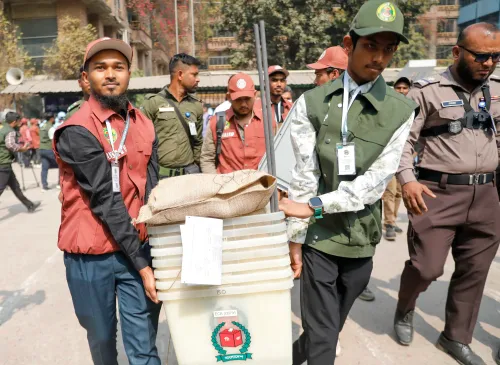
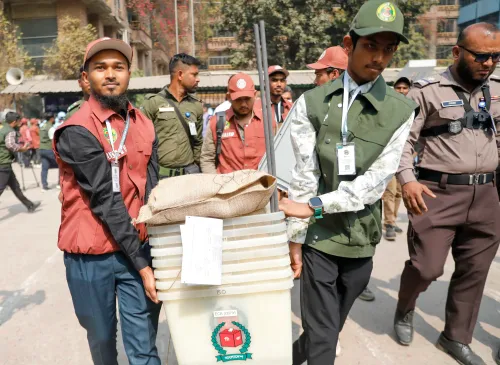
Dhaka, Feb 13 (NationPress) In Bangladesh’s 13th parliamentary elections, which saw the lowest participation of women, seven female candidates triumphed, according to local media reports from Friday citing unofficial results.
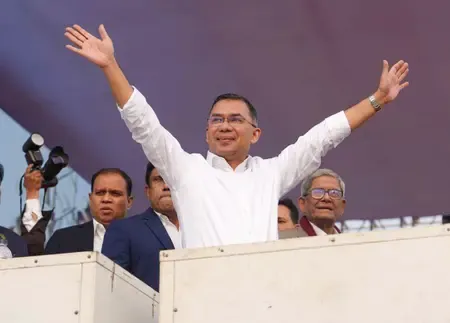
The Bangladesh Nationalist Party (BNP), expected to lead the government with a clear majority, had six of its female candidates win their respective seats under the paddy sheaf symbol.
The victorious women hail from various constituencies, including Afroza Khan Rita from Manikganj-3, Israt Sultana Elen Bhutto from Jhalokati-2, Tahsina Rushdir Luna from Sylhet-2, Shama Obaid from Faridpur-2, Nayab Yusuf Kamal from Faridpur-3, and Farzana Sharmin Putul from Natore-1.
In addition, Rumin Farhana won the Brahmanbaria-2 seat as an independent candidate after her expulsion from the BNP, as reported by Dhaka Tribune.
As the elections unfolded, the United Nations raised alarms regarding reports of violence and harassment directed at women candidates and voters, particularly incidents occurring online, calling for a zero-tolerance policy.
A statement from the UN's resident coordinator's office in Dhaka emphasized, "Safe, inclusive, and meaningful participation in public life is a fundamental right."
It further stated that women engaged in public roles, such as political leaders, activists, journalists, and human rights defenders, are facing escalating instances of cyberbullying, deepfakes, coordinated harassment, and image-based abuse, including AI-modified and sexualized content.
Last month, the Bangladesh Election Commission disclosed statistics that highlighted a significant disparity; although women constitute half of the population, they remain severely underrepresented among candidates.
Out of 2,568 candidates for the February 12 elections, only 109, or 4.24%, are women, with 72 nominated by political parties and the remainder running as independents, as reported by The Daily Star.
Reports indicate a stark exclusion among radical Islamist parties, with Jamaat-e-Islami fielding 276 candidates without a single woman, followed by Islami Andolan Bangladesh with 268 candidates.
Despite being led by a woman for over 40 years, the BNP allocated tickets to only 10 women out of 328 aspirants for 300 seats.
Several parties, like Bangladesh Khilafat Majlis with 94 candidates, Khilafat Majlis with 68, and Bangladesh Islami Front (BIF) with 27, have completely excluded women, presenting only male candidates.
During the eighteen-month tenure of the Muhammad Yunus-led interim government, violence against women and children escalated, prompting concerns over the exclusion of women from the decision-making process.
Point of View
It's critical to highlight that the recent election results in Bangladesh send a stark message about the ongoing challenges women face in political participation. Despite a significant population of women, their representation remains dismally low, underscoring a need for systemic change. The alarming reports of violence and harassment against women candidates must be addressed to foster a safer environment for all participants in the political arena.
NationPress
19 Sept 2026
Frequently Asked Questions
What was the level of female participation in the elections?
The elections saw the lowest level of female participation, with only 4.24% of candidates being women.
How many women won seats in the elections?
Seven women candidates emerged victorious in the elections.
What concerns did the United Nations express?
The UN expressed concern over violence and harassment against women candidates and voters, particularly online.
What is the significance of the BNP's performance?
The BNP, expected to lead the government, had six women candidates winning seats, reflecting a complex dynamic in women's political representation.
What challenges do women face in Bangladeshi politics?
Women in Bangladeshi politics face significant underrepresentation and increasing incidents of harassment and cyberbullying.