Why Are Fewer Women Running for Office in Bangladesh?
Synopsis
The upcoming elections in Bangladesh expose troubling trends: the absence of the Awami League and a drastic decline in female candidates. As lawlessness rises, many women shy away from politics, risking the future of gender representation in the nation. This report delves into the implications of these changes in Bangladesh's political landscape.
Key Takeaways
Absence of Awami League raises legitimacy concerns.
Only 3.84% of total candidates are women.
Increasing lawlessness deters female participation.
51 political parties contesting the elections.
Low female representation undermines democracy .
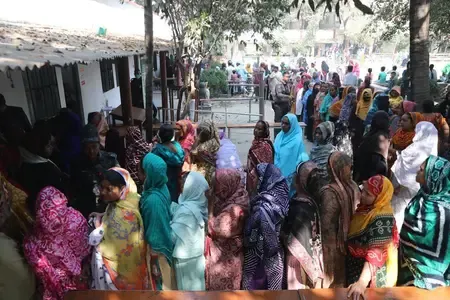
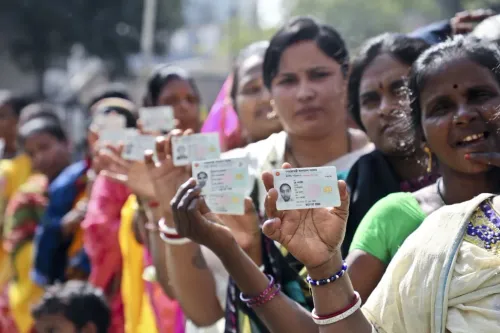
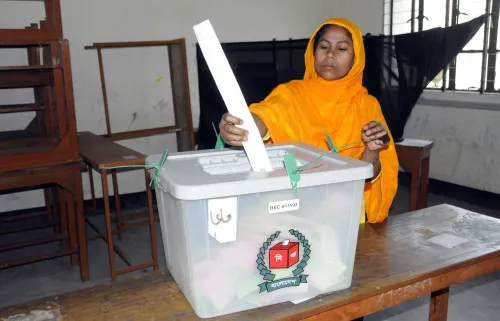
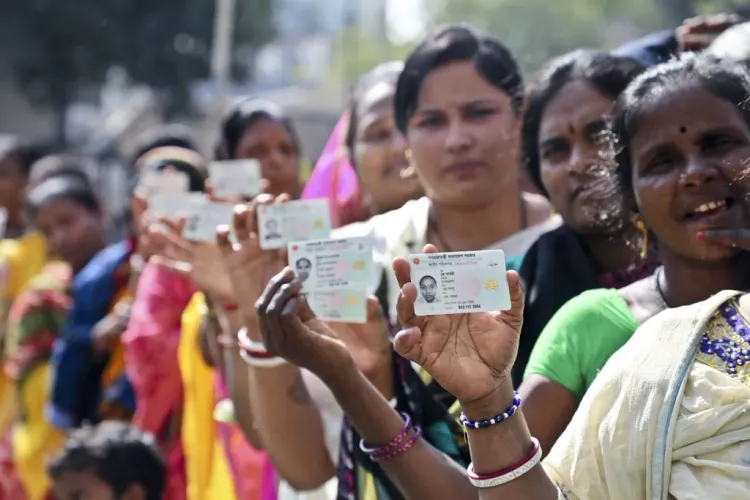
Dhaka, Jan 28 (NationPress) The upcoming 13th Parliamentary elections in Bangladesh, set for February 12, are notable for two major factors: the absence of the Awami League, the nation’s oldest political party, and the significantly low number of women candidates participating in the elections, as highlighted in a recent report.
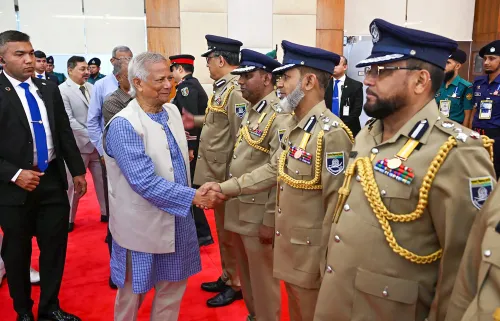
Under the administration of interim Prime Minister Muhammad Yunus, the Awami League has been banned due to accusations of misgovernance, preventing its participation in the elections. Additionally, the rise in lawlessness and hostility towards women has contributed to the decline in female candidates, according to a report in Eurasia Review.
Critics argue that excluding the Awami League from the elections raises concerns over the legitimacy of the electoral process. Nevertheless, civil society and various political factions have accepted Yunus’s decision to remove the party and its followers from the political landscape of Bangladesh.
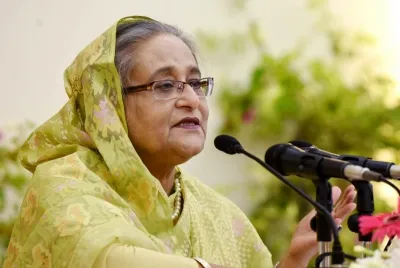
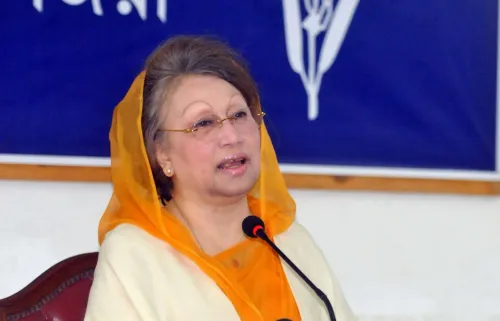
Historically, women have had the right to vote and have successfully contested elections, producing two female Prime Ministers: Sheikh Hasina of the Awami League and Khaleda Zia of the Bangladesh Nationalist Party (BNP). However, the current number of female candidates for the February 12 elections is alarmingly low,” noted senior journalist P K Balachandran in Eurasia Review.
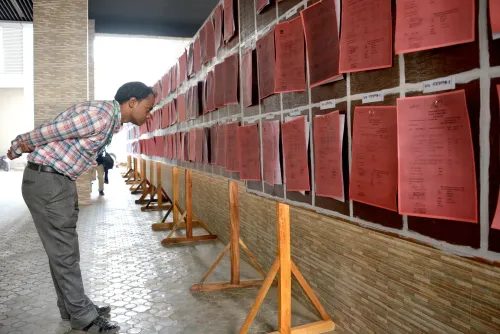
Despite 51 registered political parties participating in the election, over 30 of them, including Bangladesh Jamaat-e-Islami, have not nominated any women candidates. Out of 2,568 nomination papers, only 109 were submitted by women, representing merely 4.24% of the total, he reported.
Following adjustments to the candidate list, 1,981 individuals are now contesting, with only 76 females, making up just 3.84% of the total candidates. The Election Commission has indicated that there are approximately 64.81 million male voters and 62.87 million female voters registered.
Among the 51 parties involved, only a handful have selected women candidates. The BNP nominated women for 15 constituencies, though only 11 candidatures were confirmed. The Bangladesh Samajtantrik Dal-Marxist has nine female candidates, while the Jatiya Samajtantrik Dal (JSD) and Insaniat Biplab Bangladesh each have six. Other parties, including the Ganasamhati Andolan, Jatiya Party, and Ganaodhikar Parishad, have also nominated a few women, while the National Citizen Party has only three women candidates among its 44.
The Biplobi Workers Party has put forward two women candidates, while various smaller parties, including the Bangladesh Muslim League, Communist Party of Bangladesh (CPB), and others, have nominated one woman each. Conversely, no women are contesting from parties like Jamaat-e-Islami and Islami Andolon Bangladesh.
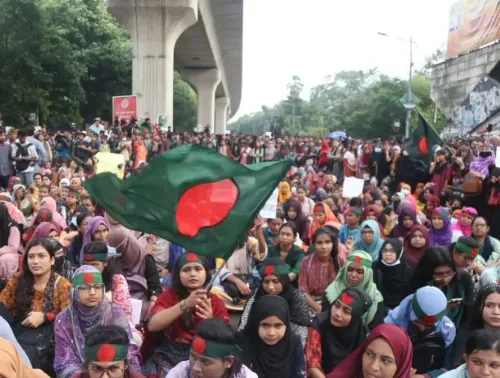
“The increase in violence and harassment against women has deterred them from engaging in electoral politics. Data from the Human Rights Watch indicates a rise in gender-based violence from January to June 2025 compared to the same period in 2024. Dr. Fauzia Moslem, president of the Bangladesh Mahila Parishad, attributes this surge to the escalating rhetoric from Islamic radical groups aiming to limit women's freedoms and societal participation,” Balachandran expressed.
“In May 2025, extremist Islamic factions protested against the interim government’s initiatives to enhance gender equality, demanding an end to actions they deemed 'anti-Islamic.' Since then, women and girls have faced various forms of abuse, including verbal, physical, and digital violence, severely restricting their voices,” he added.
Point of View
It is imperative to recognize the critical situation unfolding in Bangladesh's political landscape. The exclusion of the Awami League raises serious concerns about the legitimacy of the upcoming elections. Moreover, the declining participation of women in politics is a troubling indicator of rising lawlessness and violence against women. It is essential to address these issues to safeguard democracy and promote gender equality in the political sphere.
NationPress
22 Sept 2026
Frequently Asked Questions
Why is the Awami League banned from the elections?
The Awami League was banned due to alleged misgovernance under the leadership of interim Prime Minister Muhammad Yunus, preventing its participation in the elections.
What is the percentage of women candidates in the upcoming polls?
Only 3.84% of the total candidates are women, highlighting a significant decline in female participation.
What factors are contributing to fewer women contesting?
Increasing lawlessness and violence against women have deterred many from participating in electoral politics.
How many political parties are contesting the elections?
A total of 51 registered political parties are contesting in the upcoming elections.
What impact does the low number of women candidates have?
The low representation of women in politics undermines gender equality and can have long-term implications for democracy in Bangladesh.