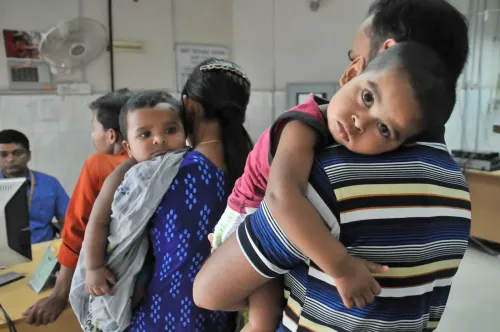
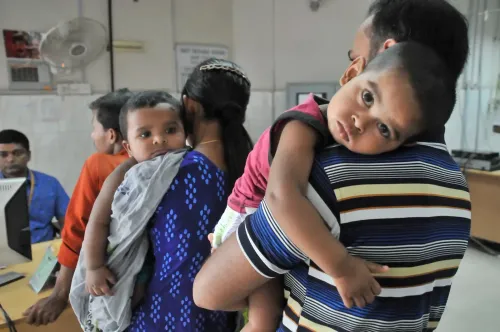
Bangladesh measles outbreak death toll crosses 1,352 as nine more children die
Synopsis
Bangladesh's measles crisis has now claimed over 1,350 lives in 2026 — the vast majority children — with more than 256,000 suspected cases reported since March. Former PM Sheikh Hasina is blaming vaccine procurement failures under the Yunus-led interim government and inadequate follow-up by the BNP administration, calling what should have been a preventable epidemic a catastrophic governance failure.
Key Takeaways
Nine more children died from measles-like symptoms in Bangladesh in the 24 hours to 8 am on 22 November 2026 .
Total confirmed and suspected measles-linked deaths in 2026 now stand at 1,352 — 1,247 suspected and 105 confirmed.
Cumulative suspected cases have reached 256,586 ; confirmed infections total 26,136 .
Since 15 March 2026 , 229,530 patients have been hospitalised; 220,705 have recovered.
Former PM Sheikh Hasina alleges Bangladesh's measles-rubella vaccine stocks ran out in March 2026 due to procurement failures under the Yunus-led interim administration.
Hasina has called for an independent probe into the alleged immunisation failures; no formal investigation has been announced.
Bangladesh's measles outbreak crossed a grim milestone on 22 November 2026, as nine more children died from measles-like symptoms in the 24 hours ending 8 am local time on Sunday, pushing the cumulative confirmed and suspected measles-linked death toll in 2026 to 1,352, according to local media reports. The latest fatalities were classified as suspected measles deaths by the Directorate General of Health Services (DGHS).
Latest Case and Fatality Figures
With the addition of the nine new deaths, the total number of suspected measles fatalities in Bangladesh now stands at 1,247, while confirmed deaths from the disease remain at 105, according to reports citing the DGHS. On the same day, 1,162 new suspected cases were recorded, raising the cumulative suspected case count to 256,586. An additional 74 laboratory-confirmed infections were also logged, bringing the total confirmed cases to 26,136.
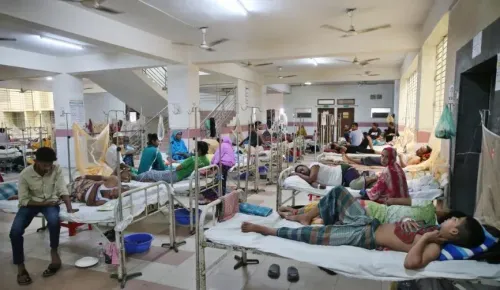
Since 15 March 2026, 229,530 patients with suspected measles have been admitted to hospitals across Bangladesh. Of these, 220,705 have recovered, according to DGHS data.
Sheikh Hasina Blames Immunisation Collapse
Former Bangladesh Prime Minister Sheikh Hasina last month described the measles outbreak as an 'epidemic' caused by 'state negligence' and the breakdown of the country's decades-old immunisation system. Speaking to The Sunday Guardian, Hasina alleged that the former Muhammad Yunus-led interim administration disrupted vaccine procurement through political and administrative decisions, creating a significant immunisation gap.
She specifically alleged that Bangladesh's measles-rubella vaccine stocks were exhausted in March 2026, after which vaccination coverage fell sharply. She further claimed the authorities failed to launch a supplementary vaccination campaign at its scheduled time.
'More than one thousand children dying from a preventable disease is not an ordinary administrative failure,' Hasina said.
Criticism Directed at the BNP Government
Hasina also trained her criticism on the Prime Minister Tarique Rahman-led Bangladesh Nationalist Party (BNP) government, alleging that authorities did not take adequate action even after the severity of the outbreak became apparent. The former prime minister's remarks reflect a broader political dispute over accountability for one of Bangladesh's worst public health crises in recent memory.
What Hasina Has Demanded
In her statement, Hasina called for a series of urgent measures: uninterrupted vaccine supplies, targeted immunisation campaigns for vulnerable communities, real-time disease surveillance, expanded paediatric healthcare facilities, and an independent investigation into the alleged vaccine procurement and immunisation failures. No formal independent probe has been announced by the government as of the latest reports.
What Happens Next
With active suspected cases continuing to rise and the death toll now well past 1,300, international health observers are expected to closely monitor Bangladesh's response capacity. The scale of the outbreak — over a quarter of a million suspected cases in a single year — underscores the fragility of immunisation infrastructure when disrupted by governance lapses, regardless of political cause. How swiftly the government restores vaccination coverage will be the decisive factor in arresting the outbreak.
Point of View
352 — overwhelmingly children — from a vaccine-preventable disease is not a public health tragedy in the conventional sense; it is a governance indictment. Bangladesh had a functioning measles-rubella immunisation programme, and its reported collapse within weeks of a political transition exposes how dangerously thin the margin between routine immunisation and epidemic can be when institutional continuity is disrupted. The political blame game between Hasina and the BNP government risks obscuring the more urgent question: why did no early-warning mechanism trigger an emergency procurement response when stocks ran out in March? Independent oversight of vaccine supply chains — insulated from political cycles — is the structural fix that none of the competing factions have yet proposed.
NationPress
22 Nov 2026
Frequently Asked Questions
What is the current death toll from the Bangladesh measles outbreak in 2026?
As of 22 November 2026, the total confirmed and suspected measles-linked deaths in Bangladesh in 2026 stand at 1,352 — comprising 105 laboratory-confirmed fatalities and 1,247 suspected deaths, according to the Directorate General of Health Services (DGHS).
How many measles cases have been reported in Bangladesh in 2026?
Bangladesh has recorded 256,586 cumulative suspected measles cases and 26,136 laboratory-confirmed infections as of 22 November 2026. Since 15 March 2026, 229,530 patients have been hospitalised, of whom 220,705 have recovered.
What caused Bangladesh's measles outbreak to become so severe?
Former Prime Minister Sheikh Hasina has alleged that the outbreak resulted from the exhaustion of Bangladesh's measles-rubella vaccine stocks in March 2026, compounded by disruptions to vaccine procurement under the Yunus-led interim administration and a failure to launch a supplementary vaccination campaign on schedule. The BNP government has also been criticised for not acting decisively once the outbreak's severity became apparent. These are allegations; no independent investigation has been concluded.
What has Sheikh Hasina demanded in response to the outbreak?
Hasina has called for uninterrupted vaccine supplies, targeted immunisation campaigns for vulnerable communities, real-time disease surveillance, expanded paediatric healthcare facilities, and an independent probe into the alleged procurement and vaccination failures.
Is measles normally preventable, and why does the Bangladesh outbreak matter?
Yes, measles is a vaccine-preventable disease with a well-established two-dose immunisation protocol. The Bangladesh outbreak is significant because it demonstrates how rapidly a functional immunisation programme can collapse when procurement and delivery are disrupted — a warning for other lower-middle-income countries with similar infrastructure vulnerabilities.