Bangladesh measles outbreak death toll crosses 1,314 as eight more children die
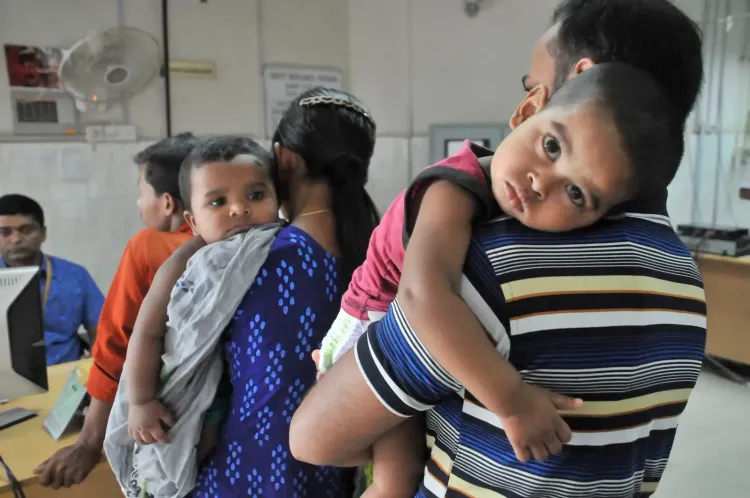
Synopsis
Bangladesh's measles death toll has surpassed 1,300 children in 2026 — a staggering figure for a vaccine-preventable disease. With vaccine stocks reportedly exhausted since March, over 248,000 suspected cases logged, and former PM Sheikh Hasina openly accusing both the interim and current BNP governments of criminal negligence, this has become one of South Asia's gravest public health crises in recent memory.
Key Takeaways
Eight more children died from suspected measles in Bangladesh in the 24 hours to 8 am, 15 November 2026 , taking the 2026 total to 1,314 .
Suspected measles deaths stand at 1,209 ; laboratory-confirmed deaths remain at 105 , per DGHS .
Total suspected cases have reached 248,060 ; confirmed cases number 25,269 .
21,539 patients have been hospitalised since 15 March 2026 ; 212,402 have recovered.
Former PM Sheikh Hasina blamed vaccine procurement failures under the Muhammad Yunus -led interim government and alleged inadequate response by the Tarique Rahman -led BNP administration.
Hasina called for an independent probe, uninterrupted vaccine supplies, and expanded paediatric healthcare.
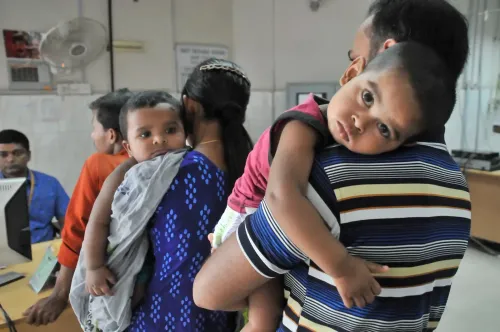
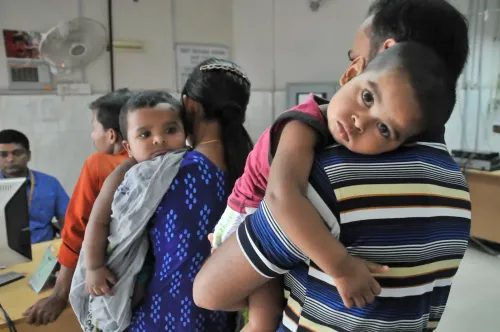
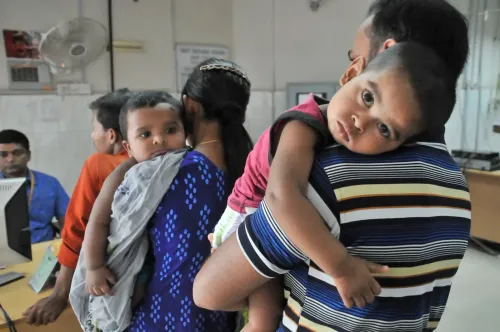
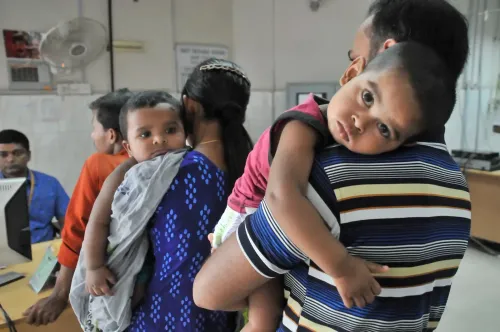
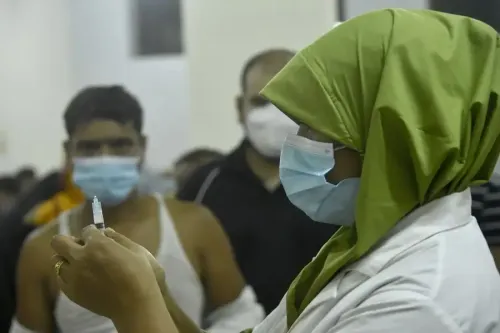
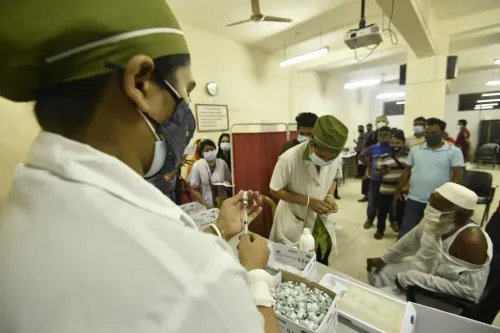
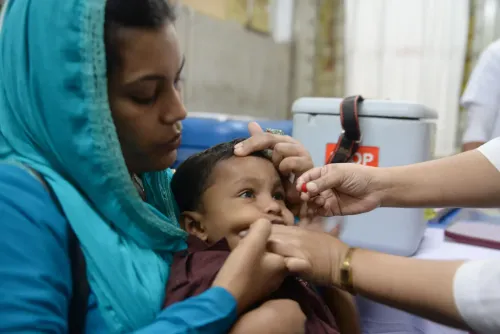
Bangladesh recorded eight more deaths linked to its worsening measles outbreak in the 24 hours ending 8 am on Sunday, 15 November 2026, pushing the country's total confirmed and suspected measles-linked fatalities in 2026 to 1,314. The latest deaths have been classified as suspected measles deaths, according to the Directorate General of Health Services (DGHS).
Latest Fatality and Case Figures
With the new deaths, the cumulative suspected measles fatality count has climbed to 1,209, while laboratory-confirmed deaths remain unchanged at 105, according to DGHS data. During the same 24-hour period, 1,414 new suspected cases were reported, bringing the total suspected case count to 248,060. A further 158 laboratory-confirmed cases were added, lifting that tally to 25,269.
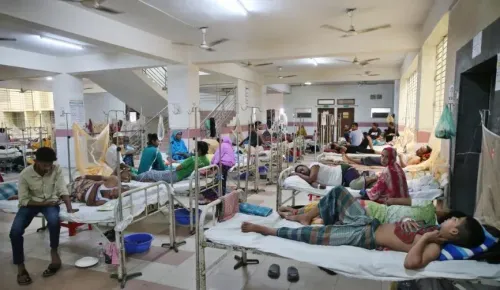
Since 15 March 2026, as many as 21,539 patients with suspected measles have required hospitalisation. Of the broader case pool, 212,402 people have reportedly recovered, according to DGHS figures.
What Triggered the Outbreak
Former Bangladesh Prime Minister Sheikh Hasina has described the measles surge as an 'epidemic' caused by 'state negligence' and the breakdown of the country's decades-old immunisation infrastructure. Speaking to The Sunday Guardian, Hasina alleged that the former Muhammad Yunus-led interim administration disrupted vaccine procurement through its political and administrative decisions, creating a significant immunisation gap.
She alleged that Bangladesh's measles-rubella vaccine stocks were exhausted in March 2026, after which vaccination coverage declined sharply. She also claimed that authorities failed to launch a supplementary vaccination campaign at the scheduled time — a lapse she said directly accelerated the outbreak's severity.
Criticism of the Current Government
Hasina also criticised Prime Minister Tarique Rahman-led BNP government, alleging that the authorities did not take adequate action even after the scale of the crisis became evident. 'More than one thousand children dying from a preventable disease is not an ordinary administrative failure,' she said.
Notably, measles is a vaccine-preventable disease, and large-scale outbreaks of this magnitude are widely considered a marker of systemic immunisation failure — making the political accountability questions raised by Hasina particularly pointed.
Demands and the Path Forward
Hasina called for uninterrupted vaccine supplies, targeted immunisation drives for vulnerable communities, real-time disease surveillance, expanded paediatric healthcare capacity, and an independent investigation into the alleged procurement and vaccination failures. Public health experts globally consider measles elimination achievable with sustained two-dose vaccination coverage above 95% — a threshold Bangladesh has reportedly fallen well short of in recent months.
With the case count still rising and the death toll already past 1,300, the pressure on Dhaka to mount a credible emergency vaccination response is expected to intensify in the days ahead.
Point of View
300 children from a vaccine-preventable disease in 2026 is not simply a public health emergency — it is an indictment of institutional collapse. The overlap of a political transition, alleged procurement mismanagement, and a lapsed supplementary vaccination window created the conditions for this outbreak. What is striking is that both the interim and the current administrations are now under scrutiny, suggesting the failure is systemic rather than partisan. The international community's relative silence on a crisis of this scale — happening in a populous South Asian nation — also warrants examination. Without a credible independent audit of vaccination coverage and procurement decisions, accountability will remain elusive and the conditions for the next outbreak will persist.
NationPress
15 Nov 2026
Frequently Asked Questions
What is the current death toll from the Bangladesh measles outbreak?
As of 15 November 2026 , the total confirmed and suspected measles-linked deaths in Bangladesh in 2026 stand at 1,314 . Of these, 1,209 are classified as suspected measles deaths and 105 are laboratory-confirmed, according to the DGHS.
How many measles cases have been reported in Bangladesh in 2026?
Bangladesh has recorded 248,060 suspected measles cases and 25,269 laboratory-confirmed cases as of 15 November 2026. A total of 21,539 patients have required hospitalisation since 15 March, and 212,402 have reportedly recovered.
What caused the measles outbreak in Bangladesh?
Former Prime Minister Sheikh Hasina has alleged that the outbreak resulted from the exhaustion of measles-rubella vaccine stocks in March 2026 , disrupted procurement under the Muhammad Yunus -led interim government, and a failure to launch a supplementary vaccination campaign on time. The current BNP government has also been criticised for an inadequate response after the severity of the crisis became clear.
Who is Sheikh Hasina and why is she speaking on the outbreak?
Sheikh Hasina is the former Prime Minister of Bangladesh. She has accused both the Muhammad Yunus -led interim administration and the current Tarique Rahman -led BNP government of negligence, stating that over a thousand children dying from a preventable disease constitutes more than an ordinary administrative failure.
What measures has the former PM called for to address the crisis?
Hasina has called for uninterrupted vaccine supplies, targeted immunisation campaigns for vulnerable communities, real-time disease monitoring, expanded paediatric healthcare facilities, and an independent investigation into alleged vaccine procurement and immunisation failures.