Bangladesh measles outbreak 2026: Death toll hits 1,269 as six more children die
Synopsis
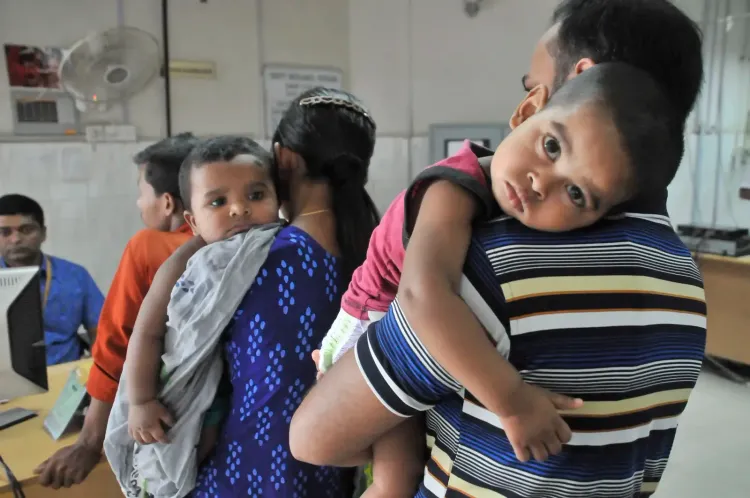
More than 1,269 people — the vast majority children — have died from measles in Bangladesh in 2026, with six more fatalities recorded on 4 November alone. At the heart of the crisis is an alleged collapse in vaccine procurement that exhausted stocks by March 2026, a failure that former PM Sheikh Hasina blames squarely on political mismanagement by successive administrations. With over 2.34 lakh suspected cases and transmission still running fast, Bangladesh is confronting a preventable catastrophe.
Key Takeaways
Six more children died from measles in Bangladesh on 4 November 2026 , raising the year's total confirmed and suspected deaths to 1,269 .
Confirmed deaths stand at 105 ; suspected deaths have reached 1,164 , according to the DGHS .
Total suspected measles cases now stand at 2,34,148 ; confirmed cases total 24,150 .
Bangladesh's measles-rubella vaccine stocks were reportedly exhausted by March 2026 , with procurement reinstated through UNICEF only in April 2026 .
Former PM Sheikh Hasina has called it 'state negligence', accusing both the interim and current BNP governments of mismanagement.
Health expert Be-nazir Ahmed warned that rapid containment remains unlikely given the speed of measles transmission.
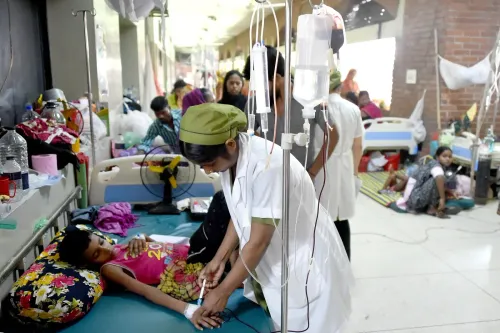
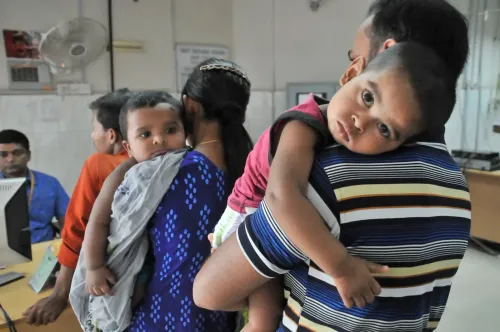
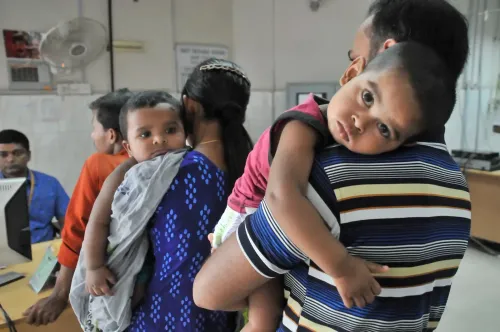
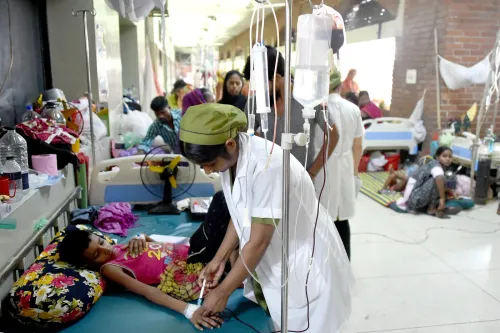
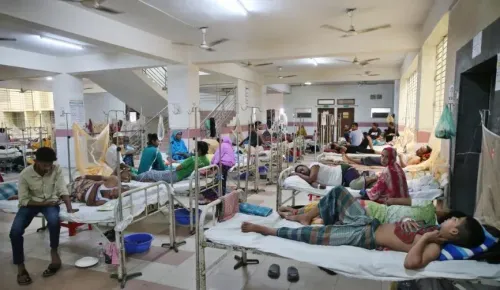
At least six more children died from measles in Bangladesh on Wednesday, 4 November 2026, pushing the country's cumulative confirmed and suspected death toll from the outbreak to 1,269 this year. The latest fatalities were classified as suspected deaths, according to the Directorate General of Health Services (DGHS), bringing the total suspected death count to 1,164 while confirmed deaths remain at 105.
Scale of the Outbreak
The DGHS recorded 1,325 new suspected measles cases in the 24 hours leading up to Wednesday morning, bringing the overall tally of suspected cases to 2,34,148. A further 77 confirmed new cases were reported in the same period, raising total confirmed cases to 24,150. The numbers underscore what health officials describe as an escalating public health crisis, with transmission showing no signs of abating despite emergency interventions.
What Triggered the Crisis
Former Bangladesh Prime Minister Sheikh Hasina, speaking to a publication last month, described the outbreak as an 'epidemic' caused by 'state negligence' and the collapse of a decades-old immunisation system. Hasina alleged that the former Muhammad Yunus-led interim administration disrupted vaccine procurement through political and administrative decisions, creating a significant immunisation gap. She claimed Bangladesh's measles-rubella vaccine stocks were exhausted by March 2026, after which vaccination coverage declined sharply and a scheduled supplementary immunisation campaign was not launched on time. 'More than one thousand children dying from a preventable disease is not an ordinary administrative failure,' she said.
Government Under Fire
Hasina also directed criticism at the Prime Minister Tarique Rahman-led BNP government, alleging that authorities failed to take adequate action even after the severity of the outbreak became clear. She called for uninterrupted vaccine supplies, targeted immunisation campaigns for vulnerable communities, real-time disease surveillance, expanded paediatric healthcare facilities, and an independent probe into the alleged procurement and vaccination failures.
Expert Warning on Containment
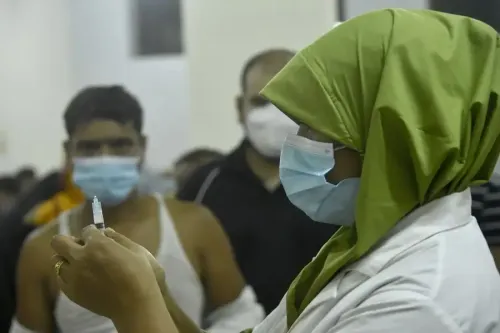
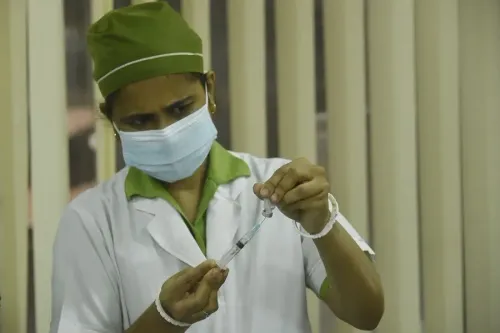
Former director of disease control at DGHS, Be-nazir Ahmed, cautioned last month that even though Bangladesh reinstated vaccine procurement through UNICEF in April 2026 and launched an emergency vaccination drive, rapid containment remains unlikely given the speed of measles transmission. His assessment points to a structural vulnerability — once herd immunity thresholds erode, the disease can spread through susceptible child populations at a rate that short-term campaigns struggle to outpace.
What Happens Next
With over 2.3 lakh suspected cases logged and deaths crossing 1,269, Bangladesh faces mounting pressure from public health bodies and regional observers to accelerate its immunisation response. Independent verification of procurement decisions and vaccination gaps, as demanded by Hasina, could become a flashpoint in the country's politically charged health debate. The trajectory of new daily cases will be the key indicator of whether the emergency drive is gaining ground.
Point of View
269 from measles — a vaccine-preventable disease — in a single year is not a natural disaster; it is a governance failure. The allegation that vaccine stocks ran dry by March 2026 and no emergency procurement was triggered for weeks points to systemic breakdowns in both procurement oversight and epidemiological early warning. What makes this politically complex is that multiple administrations — the Yunus-led interim government and the current BNP dispensation — are implicated in the gap, making accountability diffuse and reform harder to enforce. Bangladesh's immunisation infrastructure, once a model for South Asia, appears to have been hollowed out in the turbulence of political transition — a warning for every country where public health systems are subordinated to political cycles.
NationPress
4 Nov 2026
Frequently Asked Questions
What is the current measles death toll in Bangladesh in 2026?
As of 4 November 2026, Bangladesh's cumulative confirmed and suspected measles death toll for the year stands at 1,269, according to the Directorate General of Health Services. Confirmed deaths number 105, while suspected deaths have reached 1,164.
Why did the measles outbreak escalate so severely in Bangladesh?
Bangladesh's measles-rubella vaccine stocks were reportedly exhausted by March 2026, following disruptions to procurement attributed to decisions by the then-interim administration led by Muhammad Yunus. This created an immunisation gap during which vaccination coverage fell sharply and a scheduled supplementary campaign was not launched on time.
Who is responsible for the Bangladesh measles crisis, according to officials?
Former Prime Minister Sheikh Hasina has blamed both the Muhammad Yunus-led interim government and the current BNP government led by Prime Minister Tarique Rahman for failing to prevent the crisis. She called the deaths the result of 'state negligence' and demanded an independent probe into procurement and vaccination failures.
Has Bangladesh taken any steps to control the measles outbreak?
Bangladesh reinstated vaccine procurement through UNICEF in April 2026 and launched an emergency vaccination drive. However, former DGHS disease control director Be-nazir Ahmed cautioned that rapid containment remains unlikely given the speed of measles transmission, particularly in populations where herd immunity has eroded.
How many measles cases have been reported in Bangladesh in 2026?
As of 4 November 2026, Bangladesh has recorded 2,34,148 total suspected measles cases and 24,150 confirmed cases, with 1,325 new suspected cases and 77 new confirmed cases reported in a single 24-hour period ending Wednesday morning.