Bangladesh universities purge Hasina, Awami League academics under BNP rule
Synopsis
Bangladesh's political transition may have changed the government, but reportedly not the culture of institutional purges. Under the BNP, academics and students linked to the Awami League are now on the receiving end — with Human Rights Watch finding that at least one key allegation against a Dhaka University professor was not supported by evidence.
Key Takeaways
Academics and students linked to Sheikh Hasina and the Awami League face alleged political persecution in Bangladesh's public universities under the BNP government.
Dhaka University's Syndicate suspended three professors on 31 August and initiated tribunal proceedings over alleged conduct during the July 2024 uprising.
Human Rights Watch (HRW) reviewed footage and found no evidence to support allegations against Professor Mashiur Rahman of Dhaka University.
Bangladesh Agricultural University dismissed or removed 12 academics and restricted another 34 following an internal investigation.
Reports warn that students face withheld examination certificates and campus access restrictions, with long-term consequences for education and employment.
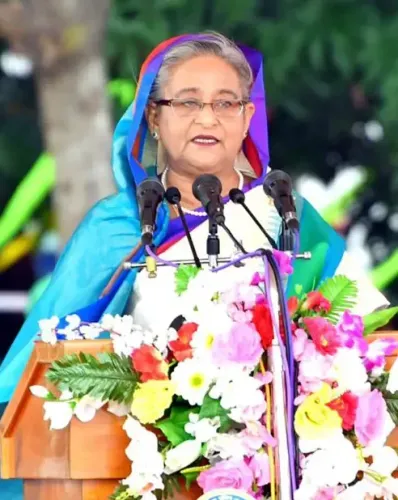
Academics and students accused of ties to former Bangladesh Prime Minister Sheikh Hasina and her Awami League party continue to face allegations of political persecution across the country's public universities — with the crackdown reportedly persisting under the newly elected Bangladesh Nationalist Party (BNP) government, according to a report published on 15 November 2026.
Pattern of Persecution Across Campuses
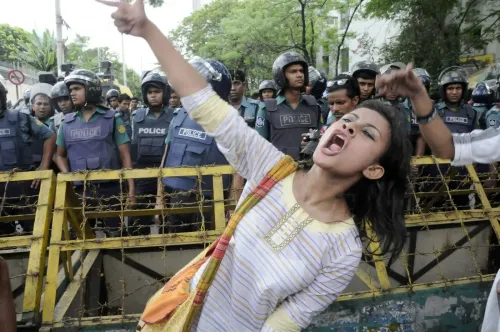
The report raises serious concerns about academic freedom, political retaliation, and the right to dissent in a country still grappling with the aftermath of a violent political transition. At Dhaka University, the institution's Syndicate on 31 August decided to suspend three professors and initiate tribunal proceedings against them over their alleged conduct during the July 2024 uprising. The teachers denied the allegations and accused university authorities of political harassment.
One high-profile case involves Professor Mashiur Rahman of Dhaka University's Sociology department, who was accused of calling the student movement 'illegal, baseless and irrational' during a television discussion in July 2024. However, Human Rights Watch (HRW) reviewed a recording of the programme and found no such remarks in it — a discrepancy that critics say illustrates the broader climate of unverified allegations being weaponised against political opponents.
Agricultural University Dismissals
At Bangladesh Agricultural University, authorities dismissed, suspended, or removed 12 academics and demoted or restricted the activities of another 34 following an internal investigation commission. The scale of action at a single institution underscores what observers describe as a systematic sweep rather than isolated disciplinary proceedings.
Transition That Changed the Target, Not the Culture
The report argues that the developments have placed Bangladesh's universities at the centre of a wider debate over whether the political transition following Hasina's removal has ended the culture of institutional control — or merely shifted which groups are subjected to it. Academics previously aligned with the Awami League now reportedly face exclusion and retaliation, suggesting the partisan environment has survived the change of government.
Notably, this mirrors a long-standing pattern in Bangladesh's public institutions, where shifts in political power have historically triggered purges of those associated with the outgoing administration. What critics argue is new is the involvement of internationally scrutinised academic bodies and the documented discrepancy between allegations and evidence.
Consequences for Students
Beyond faculty, students associated with the previous government's support base are also reportedly affected. The withholding of examination certificates and restrictions on campus access, the report warns, carry consequences that extend well beyond any immediate political dispute — students risk losing opportunities to complete their education, seek employment, or pursue further academic qualifications. These are compounding harms that cannot easily be undone once political storms pass.
What Comes Next
Human rights organisations and academic freedom watchdogs are reportedly monitoring the situation closely. Whether the BNP government responds to international scrutiny by reviewing ongoing proceedings — or whether the purge deepens — is likely to shape Bangladesh's international reputation and its universities' ability to function as independent institutions in the months ahead.
Point of View
With each change of government triggering institutional purges. What is different this time is that Human Rights Watch has directly contradicted at least one central allegation, exposing the gap between political grievance and evidentiary basis. The BNP's challenge is not merely to manage the optics of these proceedings but to demonstrate that the post-Hasina transition represents a genuine break from authoritarian institutional culture — not just a rotation of its beneficiaries. International academic and human rights bodies are watching, and their assessments will matter for Bangladesh's credibility at multilateral forums.
NationPress
15 Nov 2026
Frequently Asked Questions
What is happening to Awami League-linked academics in Bangladesh?
Academics and students accused of ties to former Prime Minister Sheikh Hasina and the Awami League are reportedly facing suspensions, dismissals, and restrictions across Bangladesh's public universities under the BNP government. Critics describe this as politically motivated retaliation rather than legitimate disciplinary action.
What did Human Rights Watch find about the allegations against Professor Mashiur Rahman?
Human Rights Watch reviewed a recording of the television programme in which Professor Mashiur Rahman of Dhaka University's Sociology department was alleged to have called the student movement 'illegal, baseless and irrational', and found no such remarks. The discrepancy has drawn attention to the credibility of allegations being used to pursue academics.
How many academics were affected at Bangladesh Agricultural University?
Authorities at Bangladesh Agricultural University dismissed, suspended, or removed 12 academics, and demoted or restricted the activities of another 34, following an internal investigation commission.
How does this compare to Bangladesh's past political transitions?
Bangladesh has a documented history of public institutions being used for political purges following changes in government. Critics argue the current situation under the BNP mirrors the institutional control exercised under the Awami League, suggesting the culture of political retaliation has persisted despite the change in power.
What are the consequences for students caught in the crackdown?
Students linked to the previous government's support base reportedly face withheld examination certificates and restrictions on campus access. These measures can prevent them from completing their education, applying for jobs, or pursuing further academic qualifications — harms that extend well beyond the immediate political dispute.