Bengal Minister Shankar Ghosh: Being a minister gives no right to say everything
Synopsis
A rare social media post from West Bengal's usually reticent Tourism Minister Shankar Ghosh — 'being a minister does not give you the right to say everything' — has set tongues wagging in Kolkata. With fellow minister Dilip Ghosh publicly backing the sentiment, the episode raises quiet questions about ministerial messaging discipline inside the BJP's Bengal government.
Key Takeaways
Dr Shankar Ghosh , West Bengal Parliamentary Affairs and Tourism Minister, posted on social media on the intervening night of Saturday and Sunday, 15 November 2026 , stating that ministerial status confers neither the right nor the knowledge to speak on everything.
Ghosh later clarified the post was an act of self-introspection and was not directed at any individual.
West Bengal Panchayat Affairs and Rural Development Minister Dilip Ghosh , also former BJP state president, publicly endorsed the principle on Sunday morning.
Dilip Ghosh stressed that ministers who do not stay within Constitutional limits invite public questions about their conduct.
The post has triggered speculation in West Bengal 's political circles about internal messaging discipline within the ruling party.
West Bengal Parliamentary Affairs and Tourism Minister Dr Shankar Ghosh sparked political discussion on 15 November 2026 after posting a pointed observation on social media, indirectly addressing the limits of a cabinet member's authority to speak on any subject. The post, shared on the intervening night of Saturday and Sunday, read: 'Being a minister does not give you the right to say everything, nor does it give you knowledge.'
The Post and Its Ambiguity
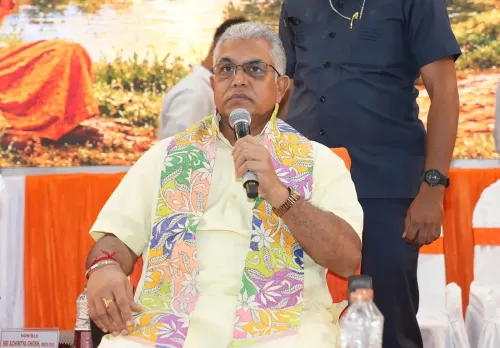
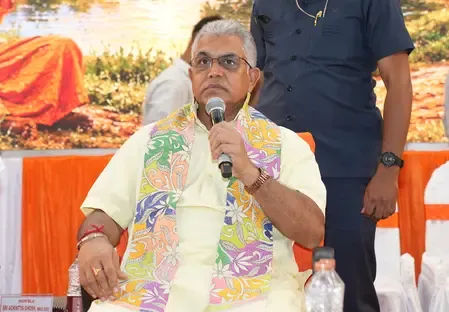
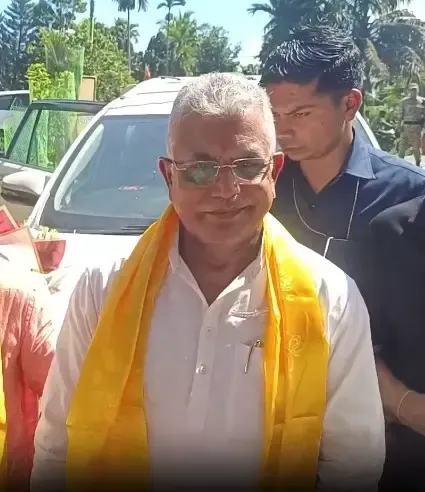
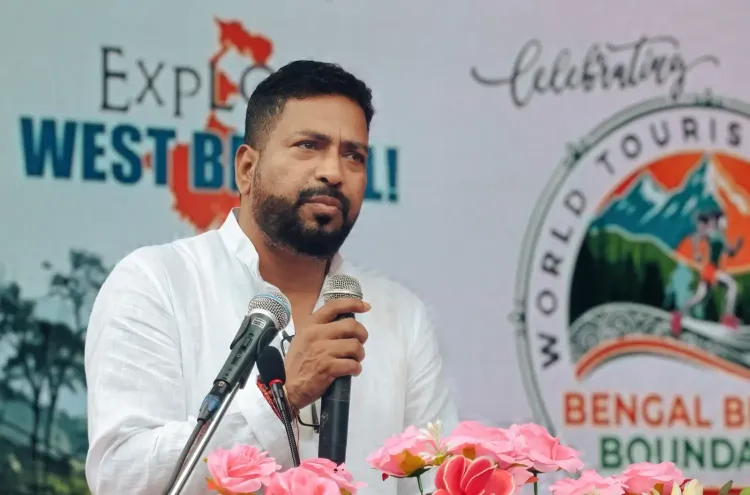
The social media message, accompanied by a photograph of Ghosh, did not name any individual or reference any specific controversy, leaving observers in West Bengal's political circles uncertain whether it was directed at a colleague or was an exercise in personal reflection. The post quickly became a talking point given Ghosh's reputation for measured, low-profile conduct.
Ghosh has historically been known as a figure who avoids inflammatory remarks — a distinction that made the post all the more striking. Whether serving as Chief Whip of the BJP's Legislative Party in the West Bengal Assembly between 2024 and 2026, or in his current ministerial role, he has consistently maintained a restrained public persona.
Ghosh Clarifies: 'Self-Introspection, Not a Target'
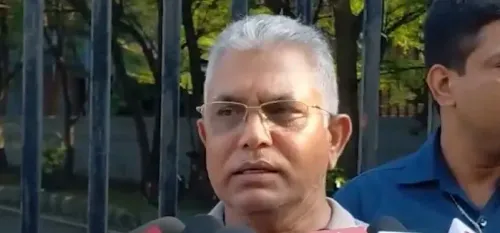
Speaking to media persons on Sunday morning, Ghosh moved to defuse any political interpretation of his words. 'My observation should be viewed as self-introspection. I always follow this principle,' he said, insisting the post was not aimed at any individual within or outside the cabinet.
The clarification, however, did little to fully settle the speculation, with political observers noting that such posts from usually reticent ministers rarely emerge in a vacuum.
Dilip Ghosh Backs the Sentiment
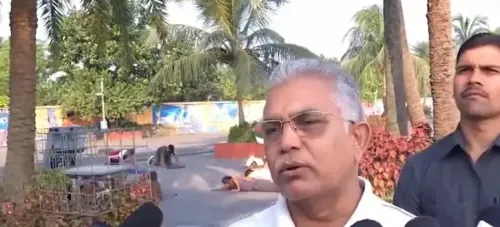
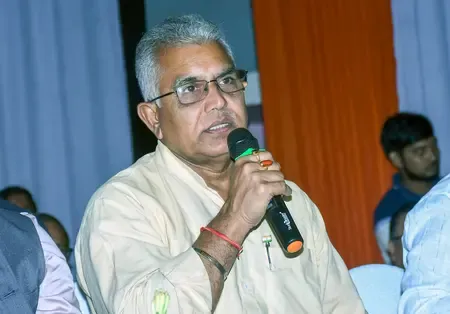
West Bengal Panchayat Affairs and Rural Development Minister and former state president of the Bharatiya Janata Party (BJP) in West Bengal, Dilip Ghosh, extended his support for the observation on Sunday morning. 'This principle should be followed not just by any minister but by every individual. Of course, the responsibility of any minister to follow this principle is greater, since people have greater expectations from any minister. If a minister does not remain within the Constitutional limits, questions are bound to surface,' Dilip Ghosh said.
He further emphasised that the caution applied equally to public statements that could hurt others' sentiments. 'Again, the responsibility of a minister in such matters is much more,' he added, reinforcing the message without attributing it to any specific incident.
What It Signals in Bengal Politics
The episode comes against the backdrop of a BJP-led West Bengal government navigating internal messaging discipline. The willingness of two senior ministers to publicly endorse the principle of ministerial restraint — even framed as introspection — points to an underlying awareness within the party about the reputational risk of unguarded remarks. Political analysts note that in a state where the ruling dispensation is under constant scrutiny, any deviation from disciplined public communication can quickly become a liability.
Whether the post foreshadows any formal internal directive on ministerial communication remains to be seen, but the conversation it has triggered is unlikely to dissipate quickly.
Frequently Asked Questions
What did West Bengal Minister Shankar Ghosh post on social media?
Dr Shankar Ghosh posted that 'being a minister does not give you the right to say everything, nor does it give you knowledge' on the intervening night of Saturday and Sunday, 15 November 2026. The post was accompanied by his photograph and did not name any individual.
Was Shankar Ghosh targeting a colleague with his post?
Ghosh clarified on Sunday morning that his post was not directed at anyone and should be read as self-introspection. 'I always follow this principle,' he told media persons, though the ambiguity of the original post had already triggered political speculation.
Who is Shankar Ghosh and what is his role in West Bengal politics?
Dr Shankar Ghosh is the West Bengal Parliamentary Affairs and Tourism Minister. He previously served as Chief Whip of the BJP's Legislative Party in the West Bengal Assembly from 2024 to 2026 and is widely regarded as a low-profile, non-controversial political figure.
How did Dilip Ghosh respond to Shankar Ghosh's post?
West Bengal Panchayat Affairs and Rural Development Minister Dilip Ghosh backed the sentiment on Sunday morning, saying the principle applied to every individual but carried greater weight for ministers. He added that ministers who do not stay within Constitutional limits invite public scrutiny.
What does this episode signal about BJP's West Bengal government?
The public endorsement of ministerial restraint by two senior BJP ministers points to an awareness within the party about the risks of unguarded public remarks in a state under constant political scrutiny. Whether it foreshadows a formal internal directive on ministerial communication remains unclear.