Bhopal Master Plan 2047: Thousands oppose draft over Upper Lake, green zone risks
Synopsis
Thousands of Bhopal residents have formally objected to the draft Master Plan 2047, warning that its provisions could open the Upper Lake catchment, green belts, and tiger corridors to construction while legalising commercial encroachment in residential neighbourhoods. With a Supreme Court challenge threatened, the plan's finalisation is now under significant public and legal scrutiny.
Key Takeaways
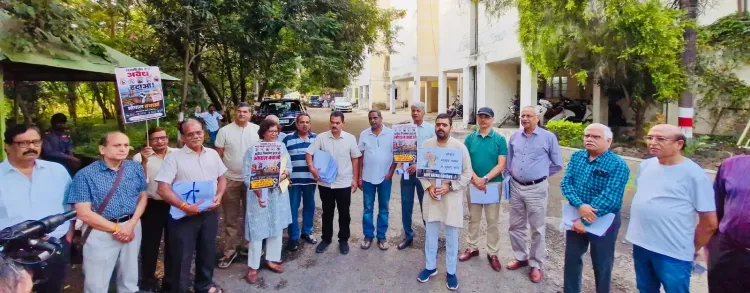
The Joint Residents' Struggle Committee submitted thousands of objections to Bhopal's draft Master Plan 2047 at the TNCP office on 22 October 2026 .
Residents warned that provisions on the Upper Lake catchment , increased FAR , and encroachment on green zones and tiger movement corridors threaten Bhopal's ecological balance.
Clauses 15.38 and 15.39 were specifically opposed for potentially allowing commercialisation in residential areas, including Arera Colony .
The committee cited IISc Bengaluru research on urban green-space loss, urging Bhopal to avoid Bengaluru's fate.
Residents demanded personal hearings and transparent review of all objections before the plan is finalised.
The committee warned of Supreme Court action if concerns remain unaddressed.
Residents of multiple localities in Bhopal, Madhya Pradesh, have submitted thousands of objections to the draft Master Plan 2047, raising serious concerns over proposed construction in the Upper Lake catchment, green zones, and tiger movement corridors. The objections were filed at the Town and Country Planning (TNCP) office on Thursday, 22 October 2026, with residents demanding significant revisions before the plan is finalised.
Key Objections Filed
The protest drive was led by the Joint Residents' Struggle Committee, which coordinated the submission of objections spanning environmental protection, residential character preservation, and urban planning integrity. Petitioner Vivek Tripathi warned that provisions related to construction in the Upper Lake catchment, increased floor area ratio (FAR), and encroachment on green belts and wildlife corridors could 'adversely affect Bhopal's environment.' He stressed that the city's development plan should centre on water conservation rather than threaten its existing water bodies and green areas.
Environmental Concerns at the Core
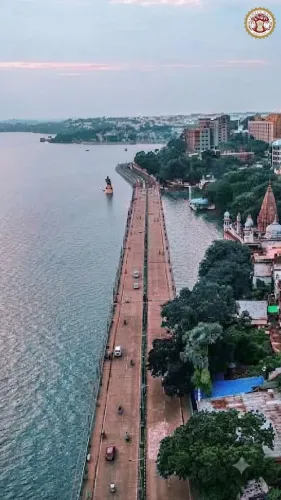
The committee cited research by T V Ramachandra of the Indian Institute of Science, Bengaluru, on the documented loss of green spaces, lakes, and wetlands driven by rapid urbanisation. Drawing a pointed comparison, residents said Bhopal must learn from Bengaluru's experience — where unchecked urban sprawl has severely degraded water bodies — and ensure its own future growth does not replicate that trajectory. The Upper Lake, a critical source of drinking water and a biodiversity hotspot, lies at the heart of these concerns.
Disputed Clauses and Commercialisation Fears
Residents specifically opposed Clauses 15.38 and 15.39 of the draft, which they allege could allow the regularisation of commercial activities within residential premises and enable broader commercialisation through a proposed 'Market Street' concept. The committee warned these provisions risk fundamentally altering the character of established neighbourhoods, particularly Arera Colony, and could worsen traffic congestion, parking shortages, and pollution. 'The master plan should not become a means of granting legitimacy to illegal constructions or benefiting influential people in the name of civic amenities,' the committee stated.
What Residents Are Demanding
The committee has called for the residential character of RG-3 zones — especially E-1 to E-5 in Arera Colony — to be retained without dilution. It also sought protection of parks and open spaces under approved layouts, and the development of footpaths, service roads, and parking facilities in line with Indian Roads Congress recommendations. Residents urged the planning department to examine all objections transparently and grant personal hearings before the plan is finalised.
What Happens Next
The committee warned that if its concerns are not addressed, petitioners may raise the matter before the Supreme Court at its next scheduled hearing. The TNCP is yet to respond publicly to the volume of objections or announce a timeline for hearings. As Indian cities accelerate urban expansion to meet housing and infrastructure demand, Bhopal's draft master plan battle reflects a wider national tension between growth imperatives and ecological safeguards — one that planners across the country will be watching closely.
Point of View
Rather than after. The invocation of Bengaluru's ecological collapse is deliberate and well-evidenced: T V Ramachandra's data on lake and wetland loss is among the most cited in Indian urban ecology. What is striking here is the committee's pre-emptive legal threat, signalling that residents are no longer willing to fight master plans retrospectively through courts. The real question is whether the TNCP will treat these objections as genuine consultative input or process them as a formality — and whether Madhya Pradesh's planning establishment has the institutional will to course-correct before concrete is poured.
NationPress
22 Oct 2026
Frequently Asked Questions
What is the Bhopal Master Plan 2047 and why is it controversial?
The Bhopal Master Plan 2047 is a long-term urban development blueprint drafted by the Town and Country Planning department of Madhya Pradesh. It has become controversial because residents allege its provisions could allow construction in the Upper Lake catchment, green zones, and tiger movement corridors, and legalise commercial activity in residential areas — changes they say would damage the city's ecological and residential character.
Who is leading the opposition to the master plan?
The Joint Residents' Struggle Committee is coordinating the opposition, bringing together residents from multiple Bhopal localities. Petitioner Vivek Tripathi has been one of the principal spokespersons, and the committee has submitted thousands of formal objections to the TNCP office.
What specific clauses are residents objecting to?
Residents have specifically opposed Clauses 15.38 and 15.39, which they say could allow the regularisation of commercial activities within residential premises and promote commercialisation through a 'Market Street' concept. They are also opposing provisions for increased floor area ratio (FAR) near the Upper Lake catchment and green zones.
How does Bengaluru's experience relate to Bhopal's concerns?
Residents cited research by T V Ramachandra of the Indian Institute of Science, Bengaluru, documenting how rapid urbanisation in Bengaluru has led to severe loss of green spaces, lakes, and wetlands. The committee argued that Bhopal must heed this example and ensure its master plan protects natural resources rather than sacrificing them for development.
What legal action could follow if the objections are ignored?
The Joint Residents' Struggle Committee has warned that if its concerns are not addressed, petitioners may raise the matter before the Supreme Court at its next scheduled hearing. The committee has also demanded that the planning department provide personal hearings and a transparent review of all submissions before the Master Plan 2047 is finalised.