Om Birla: MLA debates to go online to train future national leaders
Synopsis
Lok Sabha Speaker Om Birla didn't just celebrate the Rajasthan Assembly's 75th anniversary — he announced a plan to put MLA debates from every state Vidhan Sabha online within a year. The proposal reframes state legislatures as national leadership academies, and puts digital transparency at the centre of India's parliamentary reform conversation.
Key Takeaways
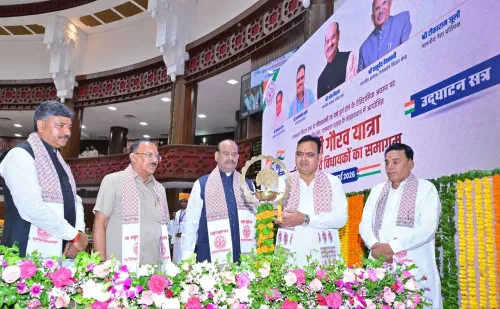
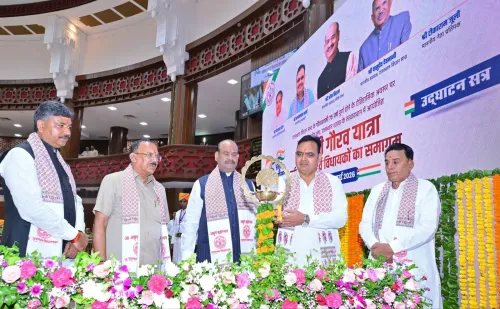
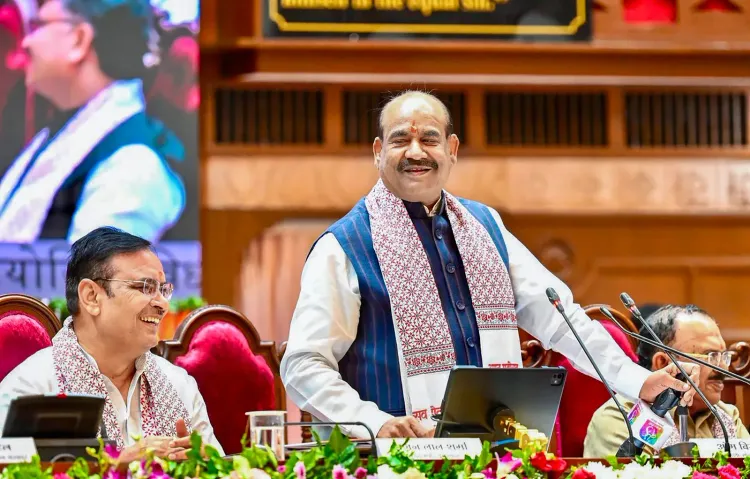
Lok Sabha Speaker Om Birla addressed the 'Amrit Manthan' programme marking the 75th anniversary of the Rajasthan Legislative Assembly in Jaipur on 15 July .
Birla called for MLA debates from all state Vidhan Sabhas to be uploaded online within one year , searchable by legislator name.
He urged Rajasthan Assembly Speaker Vasudev Devnani to prioritise digital access to legislative proceedings.
Birla described the Assembly as a 'pathshala' capable of producing national leaders, citing former CM Bhairon Singh Shekhawat as an example.
He cautioned legislators against leaving the chamber after their own speeches, stressing that listening is as important as speaking.
Birla advised presiding officers to never stand during proceedings and never show stress — protocols he said he has personally followed.
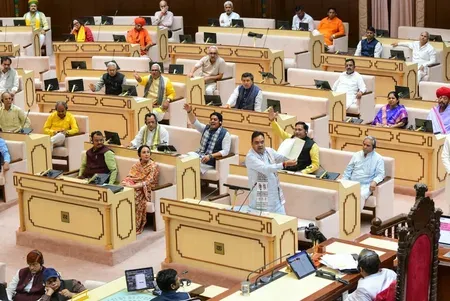
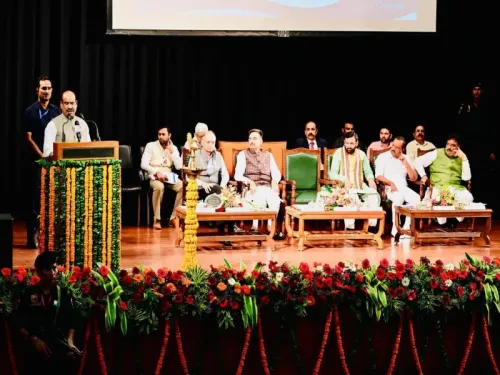
Lok Sabha Speaker Om Birla on Wednesday, 15 July called on Rajasthan legislators to embrace accountability, transparency, and active participation in debates, describing the Rajasthan Legislative Assembly as a 'pathshala' — a school of governance — capable of producing national leaders. He was speaking at the 'Amrit Manthan' programme organised in Jaipur to mark the 75th anniversary of the Rajasthan Legislative Assembly.
Debates Online: A Digital Archive for Future Leaders
The most concrete proposal Birla made was a push to digitise legislative debates across all state assemblies. He urged Rajasthan Assembly Speaker Vasudev Devnani to ensure that MLA debates are made available on digital platforms without delay.
'We are trying to ensure that within a year, the debates of MLAs from all Vidhan Sabhas are available online. A person's debates should appear as soon as his or her name is searched,' Birla said. The initiative, he argued, would serve as a living repository of legislative wisdom for future generations of public representatives.
Assembly as a Training Ground
Birla drew on his own legislative journey to underline the Assembly's formative role. Returning to the Rajasthan House, he said, brought back memories and made him emotional. He recalled learning 'invaluable lessons on legislative functioning' during his tenure as an MLA in the 200-member Rajasthan Assembly before transitioning to Parliament, where building an identity among over 500 members was, by his account, considerably harder.
'The first pathshala gives lessons for life, and I received those lessons from this pathshala,' he said. He cited former Chief Minister Bhairon Singh Shekhawat as an example of a leader remembered for simplicity and conduct rather than disruption, and referenced MP Rao Rajendra Singh as a legislator who spoke effectively in the Assembly.
What the Government and Public Now Expect
Birla noted that the nature of governance and public expectations have shifted substantially. 'The times have changed. People now expect an accountable government and accountable public representatives. Voters want transparency, responsibility and answers from those they elect,' he said, adding that leaders who deliver on these qualities will succeed.
He also cautioned against a growing trend of legislators leaving the chamber immediately after delivering their own speeches. 'A person speaks well only if he listens well. Many members now come only to deliver their speeches and then leave, but listening is equally important,' he said. He stressed that disruption in the House is not a marker of leadership — thoughtful contributions to debate, he argued, are what leave a lasting legacy.
Advice on the Speaker's Chair
Birla also shared protocols he follows as a presiding officer. He said a Speaker should never stand during proceedings, as it diminishes the dignity of the Chair, and should never allow stress to show on his face. 'A worker once advised me that the person occupying the Chair should never reflect tension on his face. I followed that advice and have always tried to conduct proceedings with composure,' he said. He indicated he had passed the same counsel on to Rajasthan Assembly Speaker Devnani.
The Road Ahead for Legislative Culture
Birla urged legislators to strengthen the culture of debate and increase participation in proceedings. 'When questions are raised, give appropriate answers. This House is your platform. From here, you can become national leaders. There should be more discussions, more debates and greater participation in the proceedings,' he said. The push to put MLA debates online is expected to be rolled out across Vidhan Sabhas nationally within the next year, potentially transforming how legislative records are accessed and studied.
Point of View
And a searchable national archive would mark a genuine transparency leap. The harder question is enforcement: the Centre can urge, but state assemblies are autonomous bodies, and past digitisation drives have stalled at intent. Birla's own framing — that disruption does not make a leader, but thoughtful debate does — is a pointed critique of the very culture that has come to define many legislative sessions. Whether this anniversary speech translates into a funded, time-bound programme or remains an aspirational call is the accountability test he set for others, now applied to himself.
NationPress
13 Oct 2026
Frequently Asked Questions
What did Lok Sabha Speaker Om Birla announce at the Rajasthan Assembly's 75th anniversary?
Om Birla announced a push to make MLA debates from all state Vidhan Sabhas available online within one year, searchable by a legislator's name. He made the announcement at the 'Amrit Manthan' programme in Jaipur on 15 July, marking the Rajasthan Legislative Assembly's 75th anniversary.
Why does Om Birla want MLA debates uploaded online?
Birla argued that digitising legislative debates would create a learning resource for future generations of public representatives. He described state assemblies as 'pathshalas' — schools of governance — and said that reading past debates helps legislators understand arguments, conduct, and the art of lawmaking.
What is the 'Amrit Manthan' programme at the Rajasthan Legislative Assembly?
Amrit Manthan is a programme organised to commemorate the 75th anniversary of the Rajasthan Legislative Assembly. It brought together legislators and constitutional functionaries, including Lok Sabha Speaker Om Birla, to reflect on the Assembly's legacy and chart priorities for its future functioning.
What advice did Om Birla give to Rajasthan Assembly Speaker Vasudev Devnani?
Birla advised Devnani to ensure MLA debates are made available on digital platforms at the earliest. He also shared two personal protocols: a Speaker should never stand during proceedings, as it diminishes the dignity of the Chair, and should never allow stress to show on his face during proceedings.
Who did Om Birla cite as examples of exemplary legislators?
Birla referenced former Rajasthan Chief Minister Bhairon Singh Shekhawat as a leader remembered for simplicity and conduct, and cited MP Rao Rajendra Singh as a legislator who spoke effectively in the Assembly. He used both examples to argue that thoughtful participation — not disruption — defines lasting legislative impact.