Delhi Deputy Speaker Bisht pays tribute to Vithalbhai Patel, Bhagat Singh on birth anniversaries
Synopsis
On the birth anniversaries of Vithalbhai Patel and Bhagat Singh, Delhi Deputy Speaker Mohan Singh Bisht invoked the Delhi Assembly's own dual heritage — as the chamber where Patel became the first Indian Speaker in 1925, and where Bhagat Singh threw bombs in protest in 1929 — linking revolutionary sacrifice with parliamentary legacy.
Key Takeaways
Delhi Assembly Deputy Speaker Mohan Singh Bisht paid floral tributes on 27 September 2026 to both Vithalbhai Patel (153rd birth anniversary) and Shaheed Bhagat Singh (119th birth anniversary).
Vithalbhai Patel became the first Indian elected President (Speaker) of the Central Legislative Assembly on 24 August 1925 , in the very building that now houses the Delhi Assembly.
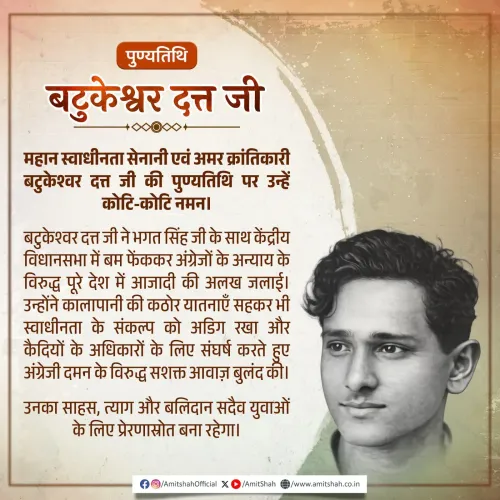
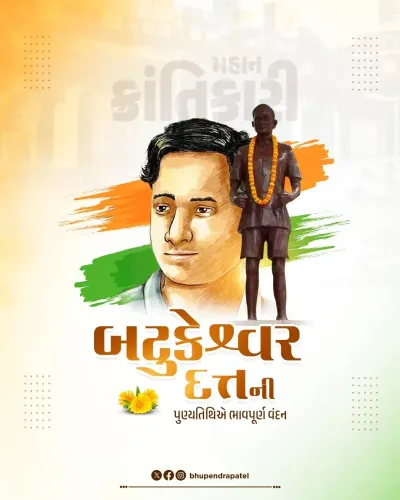
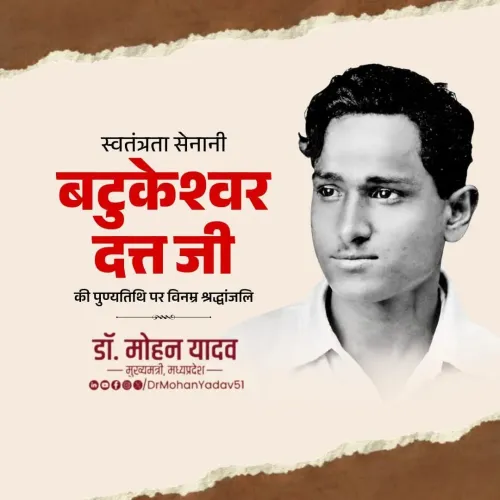
Bhagat Singh and Batukeshwar Dutt threw bombs in the Central Legislative Assembly on 8 April 1929 as a protest against colonial legislation.
Senior officials of the Delhi Legislative Assembly Secretariat also participated in the tribute ceremony.
Bisht called the Delhi Assembly 'a living testament to the courage of those who strengthened India's democratic voice and inspired the nation's freedom struggle.'
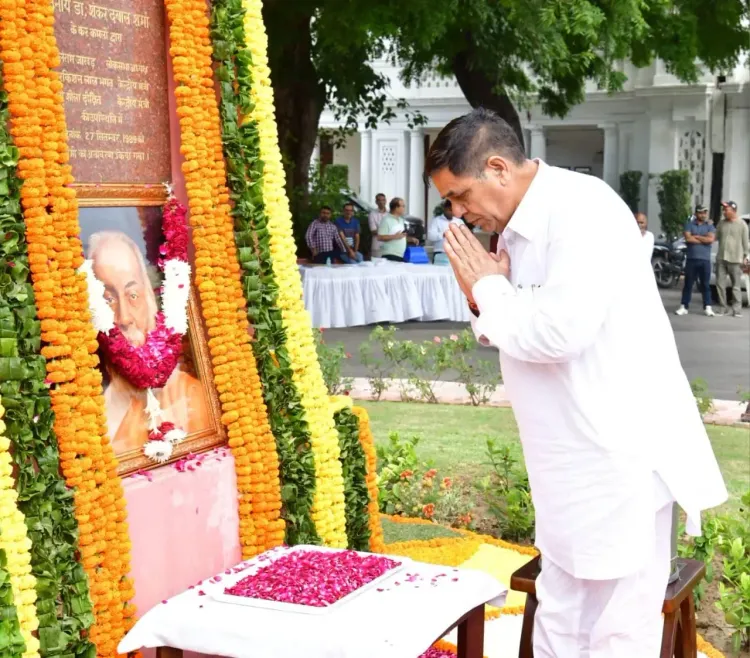
Delhi Assembly Deputy Speaker Mohan Singh Bisht on Sunday, 27 September 2026, paid floral tributes to Vithalbhai Patel on his 153rd birth anniversary and to Shaheed Bhagat Singh on his 119th birth anniversary at the historic Delhi Legislative Assembly premises, calling the institution a living testament to those who both strengthened democracy and fought for India's freedom.
What Bisht Said
Speaking at the event, Bisht described the two leaders as representing distinct yet complementary dimensions of India's independence movement. 'Vithalbhai Patel and Shaheed Bhagat Singh represent two powerful dimensions of India's freedom movement,' he said. 'One who strengthened the voice and dignity of Indians through legislative institutions, and the other who inspired an entire generation through his courage and sacrifice.'
Bisht further noted that the historic Delhi Assembly premises serve as a reminder that 'the struggle for India's freedom was fought both within legislative institutions and beyond them.' He underscored the responsibility of the present generation to uphold the democratic values for which countless freedom fighters devoted their lives.
Vithalbhai Patel's Historic Legacy
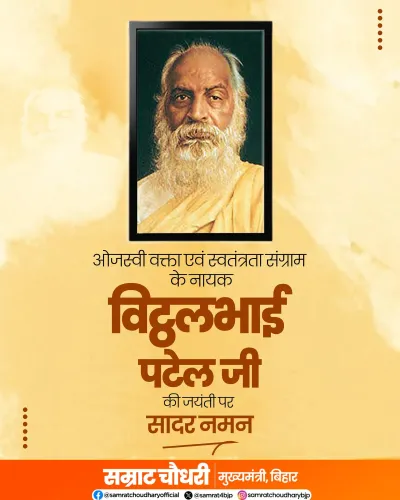
The Deputy Speaker highlighted that Vithalbhai Patel became the first Indian to be elected President (Speaker) of the Central Legislative Assembly on 24 August 1925 — the very legislature that once functioned from the present-day Delhi Assembly premises. Bisht said Patel 'upheld the independence and dignity of the Chair, protected the rights and privileges of Members, and worked towards establishing an independent Legislative Assembly Secretariat,' adding that his 'legacy of impartiality, parliamentary discipline and institutional autonomy continues to hold significance for legislatures across the country.'
Bhagat Singh and the Assembly's Place in History
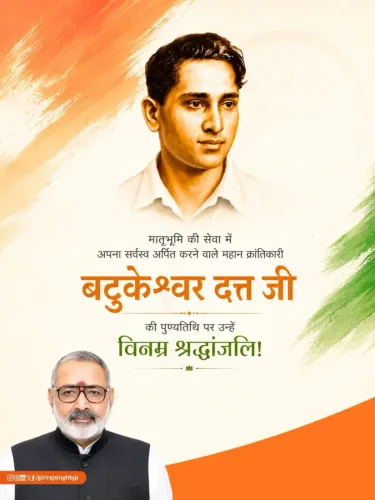
Bisht recalled that Shaheed Bhagat Singh and Batukeshwar Dutt threw bombs inside the Central Legislative Assembly on 8 April 1929 as a dramatic act of protest against colonial legislation, using the legal proceedings that followed to broadcast their message of resistance to a wider audience. The Deputy Speaker noted that Bhagat Singh's 'courage, patriotism and willingness to sacrifice his life for the freedom of the country continue to inspire generations.'
Officials Join the Tribute
Senior officers and officials of the Delhi Legislative Assembly Secretariat also paid floral tributes to both leaders and recalled their immense contributions to India's parliamentary heritage and freedom struggle. The gathering reinforced the Assembly's role as an institution that carries forward the memory of India's legislative and revolutionary history alike.
The commemorations signal a continued institutional effort to connect India's contemporary democratic framework with the sacrifices and contributions of its founding figures.
Point of View
But the choice of venue is worth noting: the Delhi Assembly building genuinely was the Central Legislative Assembly where both Vithalbhai Patel presided and Bhagat Singh staged his 1929 protest — making the tribute more than rhetorical. What mainstream coverage tends to overlook is how rarely Indian legislatures actively surface their own institutional history; framing the same chamber as the site of both democratic consolidation and revolutionary defiance is an unusual and pointed historical claim. Whether this translates into sustained civic education or remains a one-day commemoration is the question that annual tributes of this kind rarely answer.
NationPress
27 Sept 2026
Frequently Asked Questions
Who is Vithalbhai Patel and why is he remembered on 27 September?
Vithalbhai Patel was the first Indian to be elected President (Speaker) of the Central Legislative Assembly, a milestone he achieved on 24 August 1925. He is remembered on 27 September, his birth anniversary, for upholding parliamentary dignity and institutional autonomy during a period of colonial rule.
What is the significance of the Delhi Assembly in Bhagat Singh's history?
The present-day Delhi Assembly building was the site of the Central Legislative Assembly, where Bhagat Singh and Batukeshwar Dutt threw bombs on 8 April 1929 to protest colonial legislation. They deliberately surrendered to use the subsequent trial as a platform to convey their message of resistance.
Who paid tributes at the Delhi Assembly on 27 September 2026?
Deputy Speaker Mohan Singh Bisht led the floral tributes, joined by senior officers and officials of the Delhi Legislative Assembly Secretariat. The event marked the 153rd birth anniversary of Vithalbhai Patel and the 119th birth anniversary of Shaheed Bhagat Singh.
What did Deputy Speaker Bisht say about the two freedom fighters?
Bisht described Vithalbhai Patel and Bhagat Singh as representing two powerful dimensions of India's freedom movement — one through legislative institutions and the other through courage and sacrifice. He called the Delhi Assembly 'a living testament' to both traditions and urged the present generation to uphold democratic values.
What is Vithalbhai Patel's contribution to India's parliamentary history?
Vithalbhai Patel became the first Indian Speaker of the Central Legislative Assembly in 1925, setting precedents for the independence of the Chair, protection of members' rights, and the establishment of an autonomous legislative secretariat. His legacy is considered foundational to India's parliamentary traditions.