Are BLOs under Trinamool pressure responsible for voter list irregularities in Bengal?
Synopsis
BJP leader Dilip Ghosh claims that Booth Level Officers in West Bengal are under pressure from the Trinamool Congress, leading to serious irregularities in the voter list. With potential actions against the guilty and an upcoming hearing process, this issue raises significant concerns about electoral integrity in the state.
Key Takeaways
BJP leader Dilip Ghosh blames Booth Level Officers for voter list irregularities.
Claims of pressure from Trinamool Congress are central to the allegations.
Potential removal of millions of names from electoral rolls is a significant concern.
Strict actions against those guilty of manipulation are promised.
Upcoming hearings by the Election Commission will address voter list issues.
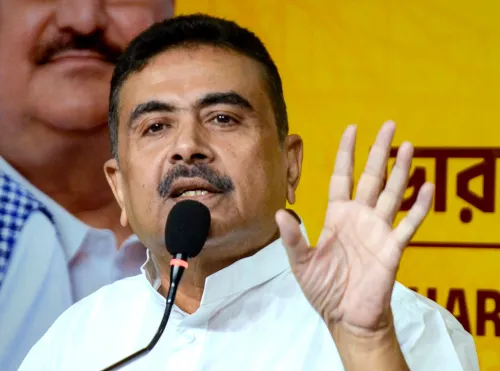
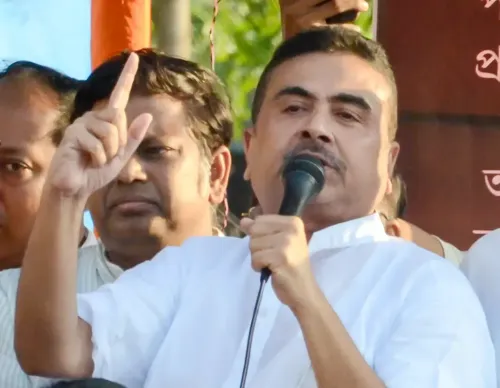
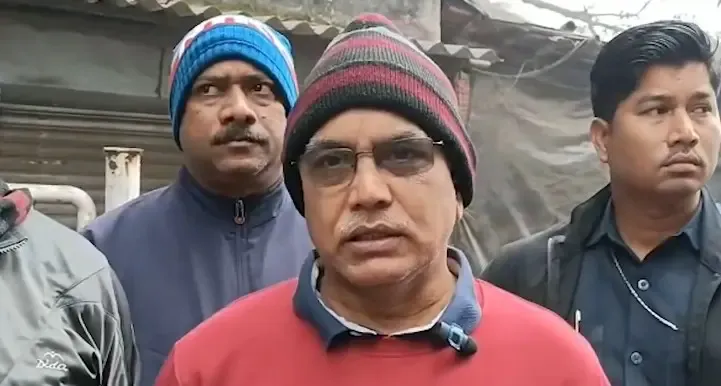
Kolkata, Dec 21 (NationPress) BJP leader Dilip Ghosh asserted on Sunday that the alleged irregularities in the voter list of West Bengal stem from the actions of Booth Level Officers (BLOs), who he claims are operating under influence from the ruling Trinamool Congress.
In a statement to IANS, Ghosh remarked, "In Bengal, similar to Bihar, certain BLOs have engaged in significant irregularities due to pressure from the Trinamool Congress. Consequently, millions of names will likely be removed from the electoral rolls. If even one name has been incorrectly added to the voter list, the responsible BLO will face accountability."
He emphasized that rigorous measures will be implemented against those identified as guilty of manipulating the voter rolls.
“All individuals involved will face consequences; some might receive show-cause notices, while others could end up in jail. They should be ready. The list will be purified,” Ghosh added.
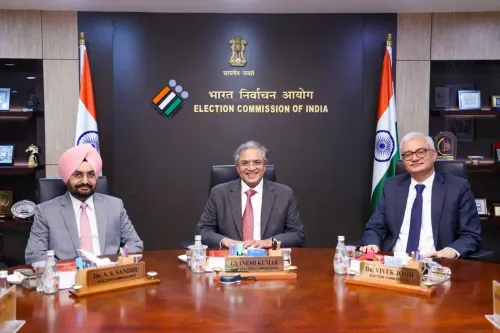
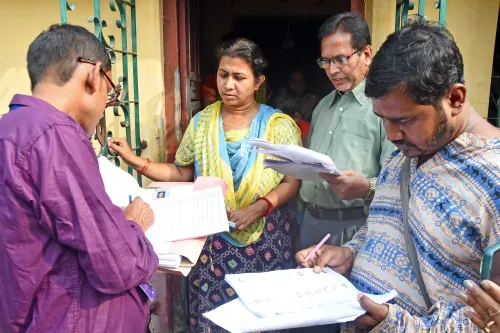
Meanwhile, after the release of the draft electoral roll under the Special Intensive Revision (SIR) in West Bengal on December 11, the Election Commission of India (ECI) is preparing to hear complaints from electors who are dissatisfied with the mapping details or those who have not been included in the voter list.
This includes persons whose information could not be connected with the 2002 SIR data yet whose names still appeared in the draft electoral rolls. The hearings are expected to start after December 25.
The ECI plans to create specialized software where each elector summoned for the hearing will receive a distinct account to facilitate the process.
Additionally, the Election Commission has revealed that over 4,000 micro-observers will be recruited from various Central government organizations for this initiative.
These micro-observers will act as the ECI's representatives at each hearing, meticulously documenting the proceedings and submitting their reports directly to the Commission.
Point of View
The allegations made by BJP leader Dilip Ghosh highlight the critical issue of electoral integrity in West Bengal. With significant implications for democracy, it is essential that all claims are thoroughly investigated to maintain public trust in the electoral process.
NationPress
28 Sept 2026
Frequently Asked Questions
What are the allegations against Booth Level Officers in West Bengal?
BJP leader Dilip Ghosh alleges that Booth Level Officers have committed irregularities in the voter list due to pressure from the ruling Trinamool Congress.
What actions will be taken against those responsible?
Ghosh stated that strict actions will be taken against those found guilty, which could include show-cause notices or even jail time.
When will the hearings for the electoral roll begin?
The hearings are scheduled to commence after December 25, following the publication of the draft electoral roll.
What role will micro-observers play in this process?
Micro-observers will document proceedings at each hearing and submit their reports directly to the Election Commission.
How many micro-observers will be recruited?
The Election Commission plans to recruit over 4,000 micro-observers from various Central government organizations for this initiative.