BJP's Malviya Decries Opposition's Iran Strike Conspiracy Claims
Synopsis
BJP leader Amit Malviya criticizes the Indian opposition for their biased handling of the US-Israel-Iran conflict, describing their claims regarding PM Modi's involvement as malicious conspiracy theories. He underscores the need for more reasoned discourse in political debate.
Key Takeaways
Amit Malviya criticizes the opposition's handling of Iran conflict claims.
He calls their stance blatantly partisan .
Claims of PM Modi's involvement in the strikes are labeled as malicious conspiracy theories .
Malviya emphasizes the need for reasoned political discourse .
The operation against Iran was planned before Modi's visit .
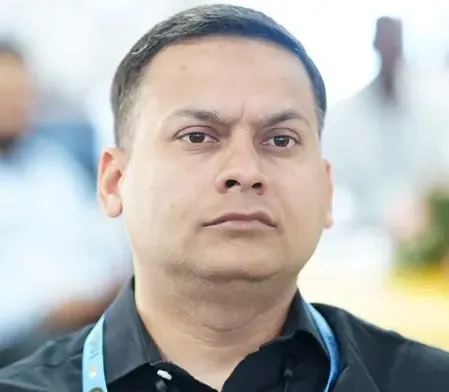
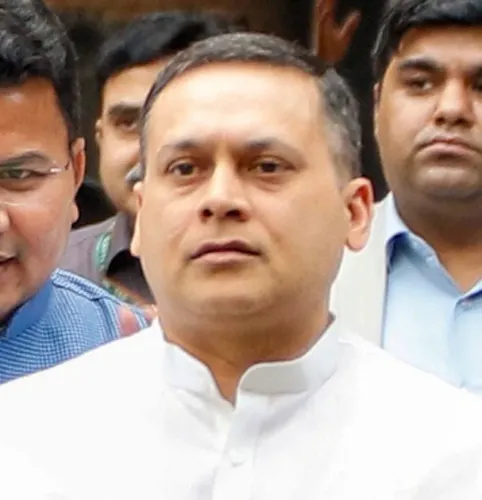
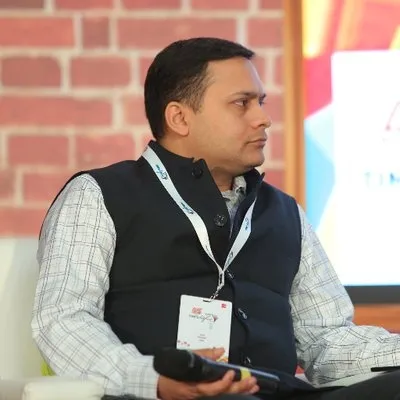
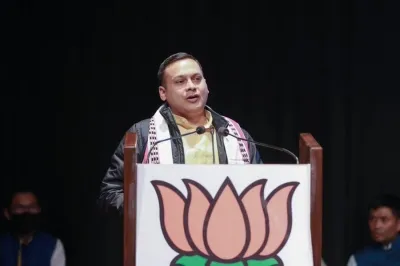
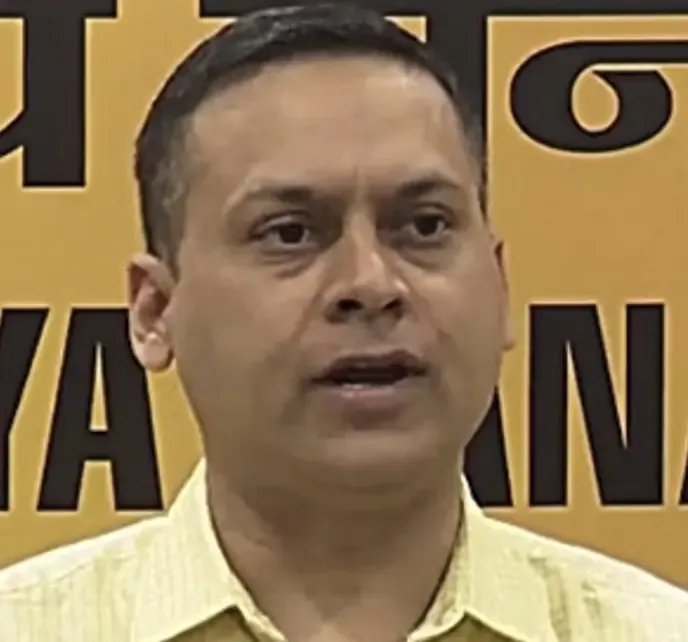
New Delhi, March 4 (NationPress) BJP spokesperson Amit Malviya, who oversees the party's National Information and Technology wing, has taken a strong stance against India's opposition and what he labels as a left-leaning media landscape. He criticized their portrayal of the recent intensifying conflict involving the US, Israel, and Iran.
In a post shared on X on March 4, Malviya expressed disappointment over what he termed their "blatantly partisan" approach.
He highlighted that, until recently, numerous opposition figures and sympathetic commentators had accused Prime Minister Narendra Modi of tacitly supporting the US-Israeli military initiative against Iran.
“I genuinely feel sorry for India's Opposition and the Left ecosystem, including certain media sectors, for how blatantly biased they have become. Just yesterday, they were vocally claiming that the so-called Israel-US coalition executed its assault on Iran with Prime Minister Modi's approval, conveniently associating it with his visit. The implication was intentional and malicious. Now, new evidence reveals that the operation was strategized as early as February 23, two days prior to the Prime Minister's scheduled arrival in Israel for a long-planned engagement. Thus, their conspiracy theories crumble,” he stated.
He further accused them of connecting this allegation to PM Modi's pre-arranged visit to Israel on February 25 and 26, insinuating that his presence or consent influenced the timing or execution of the attacks that led to the demise of Iran's Supreme Leader Ayatollah Ali Khamenei on February 28.
Malviya dismissed these assertions as deliberate and malicious insinuations based on conspiracy theories rather than facts.
He brought attention to new revelations, including an Axios exclusive, indicating that the operation had been strategized as early as February 23, undermining any direct correlation between the Indian Prime Minister's diplomatic visit and the military operation.
“This illustrates the problem with an Opposition that reacts instinctively rather than thoughtfully. The one confronting PM Modi is so superficial and immature that its arguments collapse under basic scrutiny. Much of its political misfortune is entirely self-inflicted. Shrill rhetoric, groupthink, and narratives divorced from logic have become the signature of the Left ecosystem. After being in power for so long, some among them still possess a misplaced sense of entitlement, as if governance is their divine right. With such a lack of strategic depth and intellectual honesty, they should ready themselves for an extended period in Opposition,” he concluded.
The coordination between Netanyahu and Trump, as outlined in the report, originated from intelligence regarding a significant meeting involving Khamenei and his advisors, which initiated the strikes well before PM Modi's itinerary was established.
Malviya asserted that these instinctive accusations reveal a deeper flaw in the Opposition's approach. He described it as driven by instinct rather than rational analysis, resulting in claims that disintegrate under even minimal examination.
Malviya characterized the current Opposition facing Prime Minister Modi as immature and superficial, with a significant portion of its political setbacks being self-inflicted. He noted a trend of shrill rhetoric, groupthink, and narratives detached from reality as defining characteristics of the broader Left ecosystem.
Having governed for extended terms in the past, Malviya suggested that some in these circles continue to harbor a sense of entitlement, viewing governance as an inherent right rather than something earned through performance and public trust.
He concluded that with this evident lack of strategic depth and intellectual honesty, they should prepare for a prolonged period in Opposition.
These comments emerge amid heightened global tensions following the US-Israeli strikes on Iran, which resulted in Khamenei's death and triggered retaliatory responses, further complicating India's diplomatic balancing act in the region.
Malviya's remarks underscore ongoing domestic political battles surrounding interpretations of foreign policy in light of these dramatic events.
Point of View
The criticisms levied by Amit Malviya against the opposition reflect not only a defense of the government's foreign policy but also highlight the ongoing tensions within India's political landscape. As global conflicts unfold, the need for responsible political dialogue is paramount.
NationPress
1 Oct 2026
Frequently Asked Questions
What did Amit Malviya say about the opposition's claims?
Amit Malviya criticized the opposition for their 'blatantly partisan' stance, labeling their conspiracy theories about PM Modi’s involvement in the US-Israel strikes on Iran as deliberate and malicious.
What is the context of the US-Israel strikes on Iran?
The strikes resulted in the death of Iran's Supreme Leader Ayatollah Ali Khamenei and have escalated tensions in the region, complicating India's diplomatic position.
When was the operation against Iran planned?
The operation was reportedly planned as early as February 23, two days before PM Modi's scheduled visit to Israel.
How does Malviya view the current state of the opposition?
Malviya characterizes the opposition as immature and superficial, suggesting that their political struggles are largely self-inflicted due to a lack of strategic depth.
What impact do Malviya's comments have on Indian politics?
His remarks reflect ongoing tensions and the need for a reasoned political discourse amidst significant foreign policy challenges.