BJP's R. Ashoka slams Bengaluru parking charges plan, calls Karnataka govt bankrupt
Synopsis
BJP's Karnataka opposition leader R. Ashoka has called out a proposed GBA rule that could charge Bengaluru homeowners up to ₹25,000 a year simply for parking outside their own homes — framing it as proof that the Congress-led state government is financially bankrupt and resorting to 'taxes on taxes' ahead of GBA elections.
Key Takeaways
Ashoka on 14 August strongly opposed Karnataka's proposed parking charges for residential road parking in Bengaluru .
The draft GBA Parking Rules 2026 reportedly proposes an annual fee of ₹15,000 to ₹25,000 per vehicle parked outside homes.
Ashoka alleged five of seven Bengaluru civic corporations are already financially bankrupt.
He accused Chief Minister D.K.
Shivakumar and Minister Krishna Byre Gowda of backing the policy.
Ashoka demanded the withdrawal of the policy and called for metro completion and more BMTC buses instead.
He warned the government would face electoral consequences in the upcoming GBA elections .
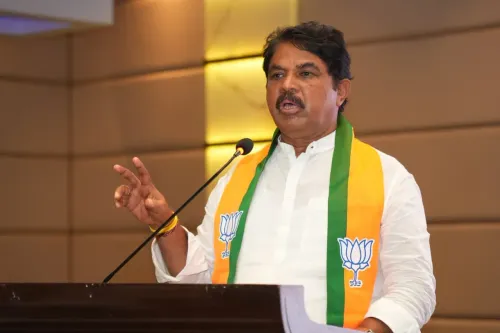
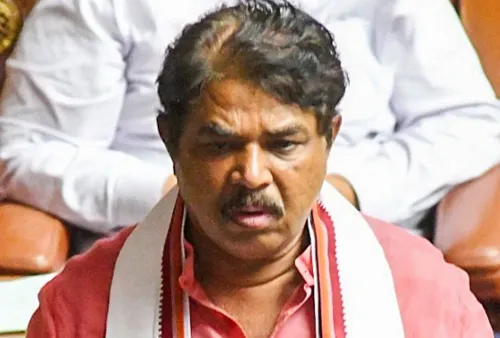
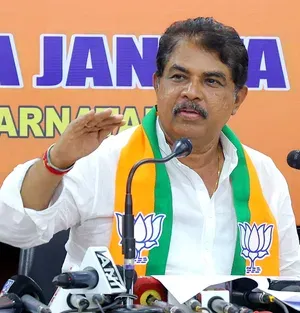
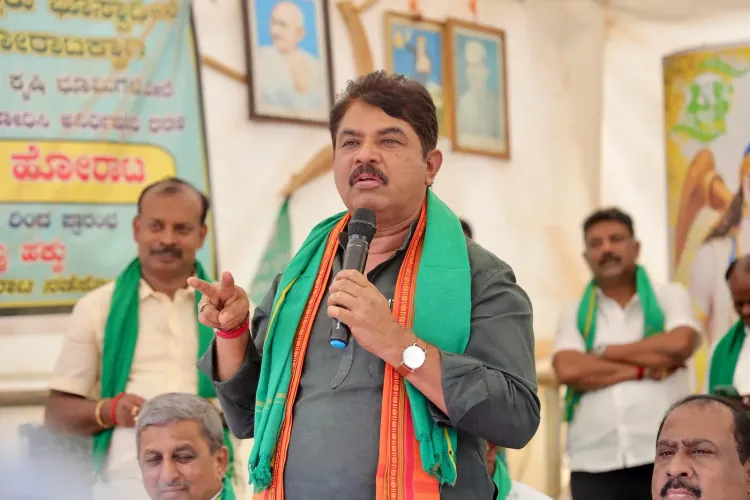
Bharatiya Janata Party (BJP) leader and Leader of Opposition in the Karnataka Legislative Assembly, R. Ashoka, on Friday, 14 August, launched a sharp attack on the state government's proposal to levy annual parking charges on residents who park vehicles on roads in front of their homes, calling it an "anti-people" move that would further squeeze Bengaluru's already burdened middle class.
What the Proposed Policy Says
According to Ashoka, the draft Greater Bengaluru Authority (GBA) Parking Rules 2026 could require residents to pay an annual fee of ₹15,000 to ₹25,000 for parking their cars on the road outside their own homes. The rules are reportedly being framed as part of the Karnataka government's broader effort to manage parking and traffic congestion across the city under the newly constituted GBA framework.
Ashoka accused Chief Minister D.K. Shivakumar and Bengaluru Development Minister Krishna Byre Gowda of driving the proposed policy, and described it as a 'loot government' measure in a post on social media platform X.
BJP's Core Allegations
Speaking to reporters in Bengaluru, Ashoka alleged that the state government was financially bankrupt and resorting to 'taxes on taxes' to plug a funding shortfall. He claimed that five of the seven civic corporations in Bengaluru were already struggling financially and were barely functional.
Ashoka listed earlier charges imposed by the government — on garbage collection, electricity, milk, and housing — and argued that the proposed parking levy was yet another addition to an already heavy burden. 'Fine even for parking a car in front of your own house! A new sketch by the loot government,' he said.
He also questioned the government's moral authority to collect parking fees when Bengaluru's roads continued to suffer from potholes and waterlogging, particularly during the monsoon season, with repairs remaining incomplete.
What Ashoka Demanded
Rather than imposing fresh charges, Ashoka urged the government to prioritise public transport improvements — specifically, faster completion of pending metro works and an increase in Bengaluru Metropolitan Transport Corporation (BMTC) bus fleet strength. He demanded the immediate withdrawal of what he called the 'anti-people parking loot policy.'
Ashoka also issued a political warning, alleging that if the government proceeded with the proposal, Bengaluru voters would 'teach the Congress a lesson' in the upcoming GBA elections.
Context and Background
The controversy comes amid the Karnataka government's ongoing efforts to frame comprehensive parking and traffic management regulations for Bengaluru under the GBA, which was constituted to consolidate civic governance across the city's expanding urban footprint. Parking management in Indian metros has become a flashpoint as cities grapple with rising vehicle density and shrinking road space — but proposals to charge residents for parking outside their own homes have historically drawn strong political resistance.
With GBA elections on the horizon, the parking policy debate is likely to intensify, and the government's response to Ashoka's demands will be closely watched.
Point of View
With GBA elections approaching and urban cost-of-living anxieties running high in Bengaluru. But the opposition's framing — that any parking fee equals financial bankruptcy — sidesteps a genuine urban governance challenge: Bengaluru has one of India's worst on-street parking crises, and some form of demand-based pricing is considered standard practice in comparable global cities. The real question is not whether to price parking, but how to do it equitably, with exemptions for genuine residents and reinvestment in public transport. Ashoka's call for more BMTC buses and metro completion is sound policy — but it sits awkwardly alongside a blanket demand to scrap the rules entirely, which offers no alternative solution to the city's gridlock.
NationPress
28 Sept 2026
Frequently Asked Questions
What are the proposed GBA Parking Rules 2026 in Bengaluru?
The draft Greater Bengaluru Authority (GBA) Parking Rules 2026 reportedly propose an annual charge of ₹15,000 to ₹25,000 on residents who park their vehicles on the road in front of their homes. The rules are being framed as part of Bengaluru's broader parking and traffic management overhaul under the GBA.
Why is BJP opposing the Bengaluru parking charges?
BJP's R. Ashoka argues the charges are an unjustified additional burden on residents who have already paid significant taxes to build their homes. He also alleges the Karnataka government is financially bankrupt and is imposing 'taxes on taxes' to cover a funding shortfall.
Who is responsible for framing the new parking policy?
According to Ashoka, Chief Minister D.K. Shivakumar and Bengaluru Development Minister Krishna Byre Gowda are behind the proposed policy. The Karnataka government is framing the rules under the newly constituted Greater Bengaluru Authority framework.
What alternatives did R. Ashoka suggest instead of parking charges?
Ashoka urged the government to first improve public transport — specifically by completing pending metro works and increasing the number of BMTC buses — before imposing any additional charges on motorists.
What is the political significance of this dispute?
The controversy comes ahead of upcoming GBA elections, with Ashoka warning that Bengaluru voters will 'teach the Congress a lesson' if the parking policy is implemented. It is part of a broader BJP campaign framing the Karnataka Congress government as financially mismanaged.