Vande Mataram row: BJP hits back at Owaisi, says nation comes before religion
Synopsis
AIMIM chief Asaduddin Owaisi's X post arguing that Vande Mataram cannot be equated with the national anthem has set off a cross-party political storm, with BJP leaders invoking 'nation before religion' and Congress attempting an uneasy middle ground — reigniting one of India's oldest and most charged cultural fault lines.
Key Takeaways
AIMIM chief Asaduddin Owaisi posted on X on 8 May that "Vande Mataram" cannot be treated on par with the national anthem, calling it "an ode to a goddess".
BJP leader Rohan Gupta said "religion always comes after nation" and accused political opponents of "politics of appeasement".
BJP leader Gourav Vallabh and state ministers Om Prakash Rajbhar and Anil Vij demanded that every Indian sing Vande Mataram .
Congress leader Husain Dalwai said he has no objection to the first two stanzas but opposed recitation of the full song as "deliberate provocation".
Congress MP Imran Masood said the national song deserves respect but should not be compared with the national anthem.
A fresh political storm erupted on Friday, 8 May after All India Majlis-e-Ittehadul Muslimeen (AIMIM) chief Asaduddin Owaisi declared that "Vande Mataram" cannot be treated on par with the national anthem, triggering sharp reactions from Bharatiya Janata Party (BJP), Congress, and other political leaders over nationalism, religion, and constitutional values.
In a post on social media platform X, Owaisi wrote: "Vande Mataram is an ode to a goddess. It cannot be treated on par with the national anthem. 'Jana Gana Mana' celebrates India and its people, not a particular religion. Religion is not equal to the nation."
BJP's sharp rebuttal
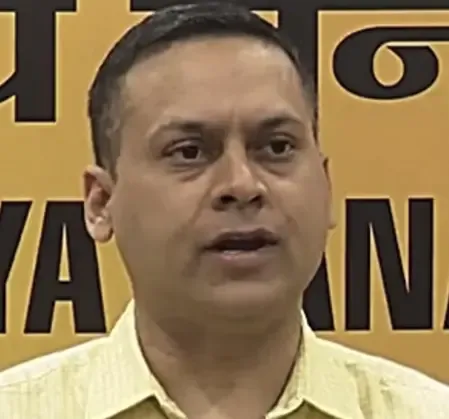
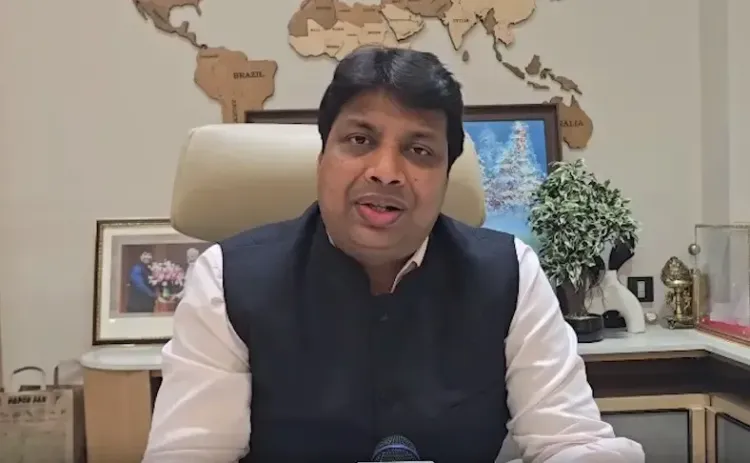
BJP leader Rohan Gupta called it "very sad" that objections were being raised over "Vande Mataram". "Vande Mataram is the country's song, and when Congress sessions used to happen, the complete Vande Mataram was sung for years without objection. If any song is given the status of national anthem or national song in a country, religion cannot be brought into it," Gupta said.
He further asserted that "when it comes to the country, religion always comes after nation", while alleging that "politics of appeasement" was becoming a major issue in the country.
BJP leader Gourav Vallabh was more direct in his criticism. "Asaduddin Owaisi now has a problem even with Vande Mataram. 'Bharat Mata Ki Jai' will be said across the country, and every person living in the nation will have to say, 'Bharat Mata Ki Jai' and also sing Vande Mataram," he said. Vallabh added that the BJP believes in "Sabka Saath, Sabka Vikas" and claimed that "every Indian stands with Vande Mataram".
State ministers pile on
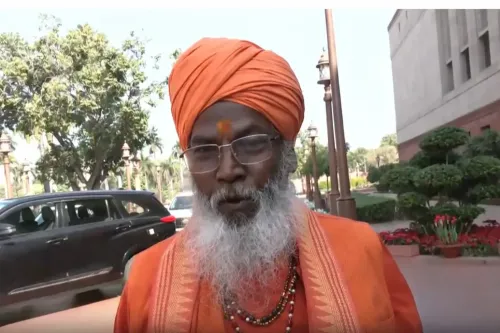
Uttar Pradesh Minister Om Prakash Rajbhar questioned why objections were being raised to the national song at all. "India is a country of all religions where people worship in churches, gurdwaras, mosques and temples. But why is there an objection to saying Vande Mataram? If you want to live in India, you must say Vande Mataram," Rajbhar said.
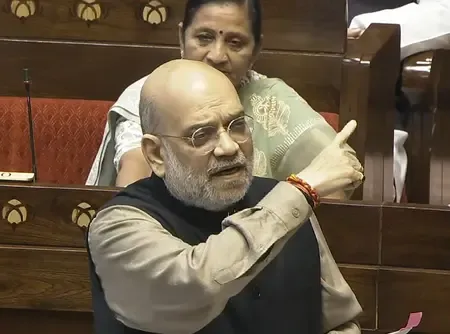
Haryana Minister Anil Vij echoed similar sentiments, asserting that "Vande Mataram" holds the same respect as the national anthem "Jana Gana Mana". "Respecting and singing it is as important as the national anthem. If one has to live in India, they will have to sing Vande Mataram," he said.
Congress attempts a middle ground
Not all reactions were confrontational. Congress leader Husain Dalwai sought to differentiate between portions of the song, saying he had no objection to the first two stanzas of "Vande Mataram". "I have repeatedly said that I have no objection to the first two stanzas of Vande Mataram. But I oppose the deliberate attempt to provoke Muslims by reciting the entire song, as is done in RSS," Dalwai said, adding that opposing the first two stanzas would be wrong.
Congress MP Imran Masood also weighed in, saying the national song deserves respect but should not be compared with the national anthem. "The national song deserves respect, and as the national anthem has its own place, both cannot be compared with each other," he said.
Background and broader context
The debate over "Vande Mataram" is not new to Indian politics. The song, composed by Bankim Chandra Chattopadhyay and drawn from his novel Anandamath, was adopted as the national song at the time of independence but was not accorded the same constitutional status as the national anthem. Its religious imagery — particularly in later stanzas — has historically been a point of contention for some Muslim leaders and scholars. This latest exchange comes at a time of heightened nationalist sentiment following recent security developments, making the political temperature around such debates especially charged.
Point of View
A rhetorical move that sidesteps the actual constitutional question. Congress's split response — Dalwai drawing a line at the full song, Masood urging respect without equivalence — reflects the party's perennial difficulty in navigating identity politics without alienating either constituency. What is consistently missing from this debate is a serious engagement with why the founding generation made the distinction they did between a national anthem and a national song in the first place.
NationPress
22 Sept 2026
Frequently Asked Questions
What did Asaduddin Owaisi say about Vande Mataram?
Owaisi posted on X that Vande Mataram is "an ode to a goddess" and cannot be treated on par with the national anthem Jana Gana Mana, arguing that religion is not equal to the nation.
How did the BJP respond to Owaisi's remarks?
BJP leaders Rohan Gupta and Gourav Vallabh strongly criticised Owaisi, with Gupta asserting that "religion always comes after nation" and accusing opponents of "politics of appeasement". State ministers Om Prakash Rajbhar and Anil Vij also demanded that every resident of India sing Vande Mataram.
What is the difference between India's national anthem and national song?
India's national anthem is Jana Gana Mana, which holds constitutional status and must be played at official events. Vande Mataram is the national song, adopted at independence but without the same legal standing — a distinction the founding generation made deliberately given the song's religious imagery in its later stanzas.
What was the Congress position on the Vande Mataram row?
Congress was divided: leader Husain Dalwai said he has no objection to the first two stanzas but opposed reciting the full song as a deliberate provocation, while MP Imran Masood said the national song deserves respect but should not be compared with the national anthem.
Why does the Vande Mataram debate recur in Indian politics?
The song's later stanzas contain imagery of Hindu goddesses, which has historically made some Muslim leaders uncomfortable with mandatory recitation. The debate resurfaced on 8 May 2025 after Owaisi's X post, coinciding with a period of heightened nationalist sentiment in the country.