Kashmiri Pandit return must be built on trust, not just security: BJP's Ashok Koul
Synopsis
BJP's Ashok Koul made a striking admission in Srinagar: targeted killings of Kashmiri Pandits 'won't stop', and the real work of return must be built on social brotherhood rather than security guarantees alone. It is a candid departure from the usual political framing — and raises hard questions about what safe rehabilitation actually looks like more than 30 years after the exodus.
Key Takeaways
BJP J&K General Secretary (Organisation) Ashok Koul said on 24 August that Kashmiri Pandit return must be built on inter-community trust , not just security measures.
Koul acknowledged that targeted killings in south Kashmir 'won't stop', stressing social harmony as the primary need.
He said Kashmiri Pandits left the Valley before the arrival of then-Governor Jagmohan , alleging some local elements supported external forces at the time.
Kashmiri Pandits have lived displaced for over 30 years after the mass exodus of the 1990s driven by Pakistan -backed militancy.
No new government timeline or rehabilitation package was announced alongside the remarks.
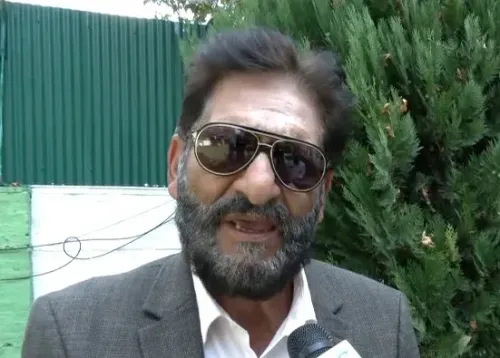
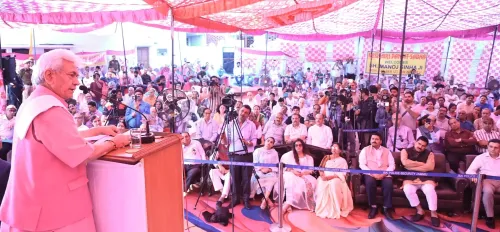
Bharatiya Janata Party (BJP) Jammu and Kashmir General Secretary (Organisation) Ashok Koul on Monday, 24 August said the return of Kashmiri Pandits to the Kashmir Valley must be grounded in rebuilding inter-community trust and social cohesion, rather than being framed solely around ending targeted killings. Koul made the remarks while speaking to reporters in Srinagar.
Key Remarks by Ashok Koul
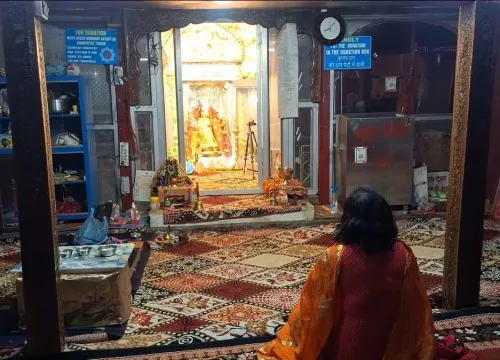
Koul described the gradual return of Kashmiri Pandits to the Valley as a positive development, emphasising that the restoration of brotherhood among communities was the central need of the hour. 'It is encouraging to see Kashmiri Pandits returning to the Valley and resuming their connection with their ancestral places,' he said.
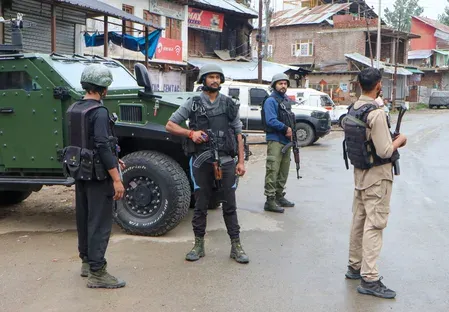
Addressing the issue of recent targeted killings in south Kashmir districts, Koul argued that such violence was not unique to any one region. He claimed that no place in the world could offer a complete guarantee of security, and that Kashmiri Pandits would inevitably face challenges as they rebuild their lives in the Valley.
'Targeted killings won't stop and it is important to create brotherhood,' Koul said, stressing that social harmony must be cultivated alongside any security measures.
On the 1990s Exodus
On the mass exodus of Kashmiri Pandits in the 1990s, Koul said the community had left the Valley before the arrival of then-Governor Jagmohan. He alleged that certain elements within Kashmir had supported external forces at the time, which, according to him, emboldened those forces. The remarks drew on a long-contested historical narrative around the circumstances of the exodus.
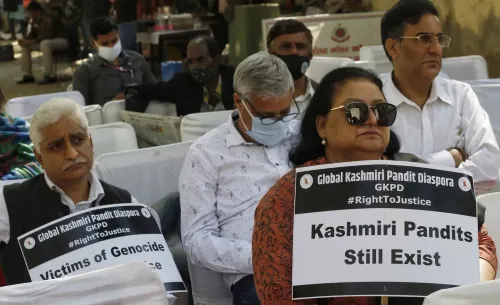
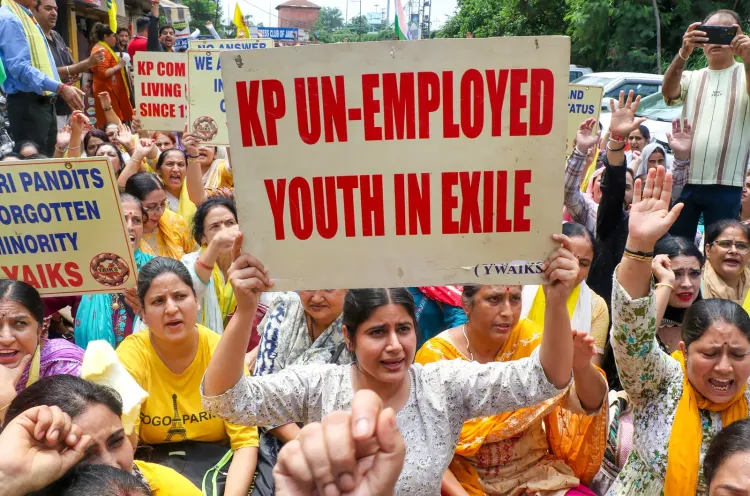
Facing grave threats from Pakistan-backed militants, hundreds of thousands of Kashmiri Pandits fled the Valley in the early 1990s, leaving behind properties, livelihoods, and ancestral ties. For more than three decades, the community has lived displaced within India — many settling in Jammu, Delhi, and other cities, as well as abroad.
The Road to Rehabilitation
Koul underlined that creating conditions conducive to permanent return required sustained effort to strengthen bonds between different communities in Jammu and Kashmir. He framed rehabilitation not merely as a security or administrative challenge, but as a social and cultural project requiring active participation from all communities in the Valley.
This comes amid renewed political attention on the Kashmiri Pandit issue, particularly following a series of targeted killings of minority community members and government employees in south Kashmir over the past few years. The question of safe, dignified return remains one of the most sensitive and unresolved issues in Jammu and Kashmir's post-Article 370 political landscape.
What Happens Next
No specific government timeline or rehabilitation package was announced alongside Koul's remarks. The BJP has consistently positioned the return of Kashmiri Pandits as a key deliverable of its governance agenda in Jammu and Kashmir, though community representatives have repeatedly flagged concerns about security and the pace of implementation of existing schemes. The path forward, as Koul himself acknowledged, will require more than policy — it will require a rebuilding of social trust that has eroded over more than three decades.
Point of View
But it risks becoming a deflection from the government's accountability for existing rehabilitation schemes that community groups say are stalled or underfunded. The exodus is now in its fourth decade. Brotherhood is a necessary condition for return — but it is not sufficient, and the absence of a concrete timeline or security guarantee leaves the community's future in the Valley as uncertain as it has been for years.
NationPress
8 Oct 2026
Frequently Asked Questions
What did BJP's Ashok Koul say about Kashmiri Pandit return?
Koul said the return of Kashmiri Pandits to the Kashmir Valley must be based on rebuilding trust and brotherhood among communities, rather than focusing solely on ending targeted killings. He made the remarks in Srinagar on 24 August.
Did Koul say targeted killings in Kashmir would stop?
No. Koul explicitly said 'targeted killings won't stop', arguing instead that creating social brotherhood was the more important long-term goal. He also noted that no place in the world could guarantee complete security.
What is the history of the Kashmiri Pandit exodus?
Hundreds of thousands of Kashmiri Pandits fled the Valley in the early 1990s amid a surge in Pakistan-backed militancy that posed grave threats to their lives. The community left behind properties and livelihoods and has lived displaced — largely in Jammu, Delhi, and abroad — for over three decades.
What did Koul say about the role of then-Governor Jagmohan in the exodus?
Koul said Kashmiri Pandits had left the Valley before the arrival of then-Governor Jagmohan. He also alleged that some elements within Kashmir had supported external forces at the time, which he claimed encouraged those forces — a claim that reflects one side of a long-contested historical debate.
Is there a new government plan for Kashmiri Pandit rehabilitation?
No new timeline or rehabilitation package was announced alongside Koul's remarks. The BJP has consistently cited Kashmiri Pandit return as a governance priority in Jammu and Kashmir, but community representatives have raised concerns about stalled schemes and inadequate security arrangements.