Bodoland records high human-snake interface; ethical rescue drive launched
Synopsis
Bodoland — a biogeographic bridge between the Gangetic Plains and the Eastern Himalayas — has been formally identified as a high human-snake interface zone, with cobras, Russell's vipers, and kraits sharing space with dense rural settlements. Against the backdrop of India losing an estimated 58,000 people annually to snakebites, the SERPENT Assam initiative is attempting to replace informal, risky rescues with science-backed emergency response.
Key Takeaways
Bodoland Territorial Region (BTR) in Assam has been identified as a high human-snake interface zone, with venomous species including Spectacled Cobra , Russell's Viper , kraits, and pit vipers present.
The BTC Forest Department , Madras Crocodile Bank Trust , and Help Earth held a two-day SERPENT Assam snake rescue workshop in Kokrajhar on 16-17 July 2025 .
Around 30 snake rescuers and 20 forest department personnel were trained; a mobile app and IEC booklet were also launched.
A nationally representative study estimated 1.2 million snakebite deaths in India between 2000 and 2019 , averaging 58,000 annually .
Nearly 70 per cent of snakebite victims in India suffered envenomation; more than one-fourth of fatalities involved children under 15 years .
Officials noted that at least 20 snake species have been documented in Bodoland, with the actual number believed to be significantly higher.
Bodoland Territorial Region (BTR) in Assam has been identified as a zone of high human-snake interface, with venomous species regularly found in cultivated fields, village peripheries, embankments, and forest fringes, senior forest officials said on Friday, 17 July 2025. The warning came as the Bodoland Territorial Council (BTC) Forest Department launched a structured ethical rescue initiative on World Snake Day.
The Training Initiative
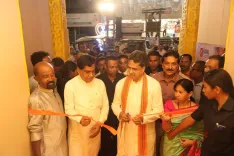
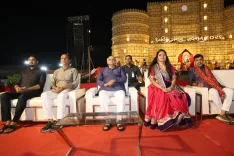
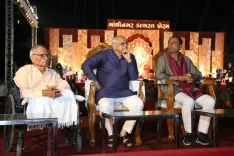
The BTC Forest Department organised a two-day refresher training programme on Ethical Snake Rescue and Emergency Response on 16 and 17 July at the Convention Centre of the Council Head of Forest in Kokrajhar. The workshop was held under the SERPENT Assam initiative and was jointly organised with the Madras Crocodile Bank Trust and Help Earth, with support from the HCL Foundation. Around 30 experienced snake rescuers from across Assam and 20 frontline personnel of the Bodoland Forest Department participated. The department also launched a dedicated mobile application and an Information, Education and Communication (IEC) booklet on the snakes of Bodoland.
Why Bodoland Is a Biodiversity Hotspot for Snakes
Additional Principal Chief Conservator of Forests (Additional PCCF) and Council Head of Department of BTC, Sonali Ghosh, described Bodoland as an important biogeographic bridge between the Gangetic Plains and the Eastern Himalaya-Indo-Burma region. The region encompasses Bhutan's foothills, the braided river systems of the Brahmaputra, extensive grasslands, semi-evergreen forests, tea gardens, agro-ecosystems, and densely populated rural settlements.
According to Ghosh, around 20 snake species have been reliably documented in Bodoland, though field experience and rescue records suggest the actual number is considerably higher, particularly among small, cryptic, and nocturnal species. She noted that systematic scientific surveys, including night-time road transects and microhabitat-focused searches, are likely to reveal additional species in coming years.
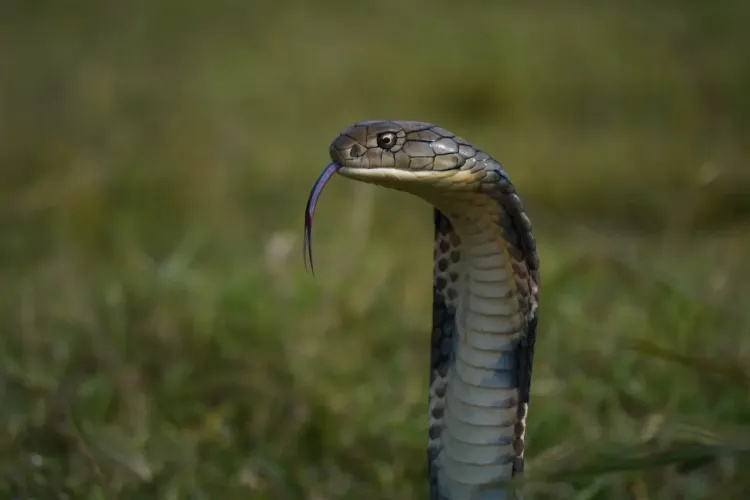
'This mosaic of habitats supports a rich diversity of serpents, representing both Indo-Gangetic and northeastern faunal elements,' Ghosh said. Medically important venomous species present in the region include the Spectacled Cobra (Naja naja), Russell's Viper (Daboia russelii), kraits, and various pit vipers.
India's Snakebite Burden
Officials highlighted that India accounts for a disproportionately large share of global snakebite fatalities. A nationally representative study estimated that nearly 1.2 million people died from snakebites in India between 2000 and 2019, averaging around 58,000 deaths annually. The same study estimated between 1.11 million and 1.77 million snakebite incidents in 2015 alone, with nearly 70 per cent of victims suffering envenomation symptoms.
Nearly half of snakebite deaths occurred among people aged between 30 and 69 years, while more than one-fourth involved children below 15 years. Most deaths occurred in rural households, with nearly half taking place during the monsoon season — underscoring the socio-economic toll on communities in their most productive years.
The Case for Ethical Rescue and Conservation
Officials stressed that human-snake conflict remains one of the most neglected dimensions of human-wildlife conflict. Public attention typically surfaces only after a snakebite or a snake killing, yet the conflict begins far earlier — when snakes enter homes, schools, farms, or workplaces and residents lack safe response knowledge.
In many parts of India, rescue operations are still carried out informally, without standardised equipment, scientific training, documentation, or release protocols — posing risks to rescuers, residents, and the snakes themselves. Officials emphasised that snakes play a vital ecological role in controlling rodent populations and maintaining ecosystem balance, and that conservation must protect human lives while preventing the unnecessary killing of snakes. Ghosh also noted that for several species, Bodoland represents a range-edge or contact zone of considerable biogeographic importance, strengthening the case for landscape-level management beyond protected area boundaries.
With the SERPENT Assam initiative now formalised, trained responders and a new digital tool are expected to improve both rescue outcomes and community awareness across the region.
Point of View
000 deaths a year by one estimate — is a public health emergency hiding in plain sight, and Bodoland's initiative is a rare instance of the state acting before the body count forces it to. The SERPENT Assam model matters not because snake rescue is novel, but because standardisation is: informal rescues without protocols kill rescuers and snakes alike, and no national framework currently mandates otherwise. The biogeographic argument Sonali Ghosh makes — that Bodoland's range-edge populations deserve landscape-level management — is also a quiet rebuke of India's protected-area-centric conservation policy, which leaves the vast majority of wildlife interactions unaddressed. Whether this district-level initiative can influence state or national snakebite policy remains the real question.
NationPress
16 Oct 2026
Frequently Asked Questions
Why is Bodoland considered a high human-snake interface zone?
Bodoland's mix of cultivated fields, village peripheries, embankments, forest fringes, and braided river systems creates ideal habitat for multiple snake species, including venomous ones like the Spectacled Cobra, Russell's Viper, and kraits. Senior forest official Sonali Ghosh described it as a biogeographic bridge between the Gangetic Plains and the Eastern Himalaya-Indo-Burma region, supporting both Indo-Gangetic and northeastern snake fauna.
What is the SERPENT Assam initiative?
SERPENT Assam is a structured snake rescue and emergency response programme under which the BTC Forest Department, Madras Crocodile Bank Trust, and Help Earth jointly train rescuers in ethical, science-backed snake handling. The initiative aims to replace informal rescue operations — which pose risks to rescuers, residents, and snakes — with standardised protocols, documentation, and release procedures.
How many people die from snakebites in India each year?
A nationally representative study estimated that nearly 1.2 million people died from snakebites in India between 2000 and 2019, averaging around 58,000 deaths annually. India accounts for a disproportionately large share of global snakebite fatalities, with most deaths occurring in rural households during the monsoon season.
Who is most affected by snakebite deaths in India?
Nearly half of snakebite deaths in India occur among people aged 30 to 69 years, while more than one-fourth involve children below 15 years. Most fatalities happen in rural households, with nearly half occurring during the monsoon season, imposing a significant socio-economic burden on communities.
What new tools were launched alongside the Bodoland snake rescue training?
The BTC Forest Department launched a dedicated mobile application and an Information, Education and Communication (IEC) booklet on the snakes of Bodoland on World Snake Day, 17 July 2025. These tools are designed to improve public awareness and support trained emergency responders across the region.