Did Islamic State Influence the Bondi Beach Massacre? Attacker Identified
Synopsis
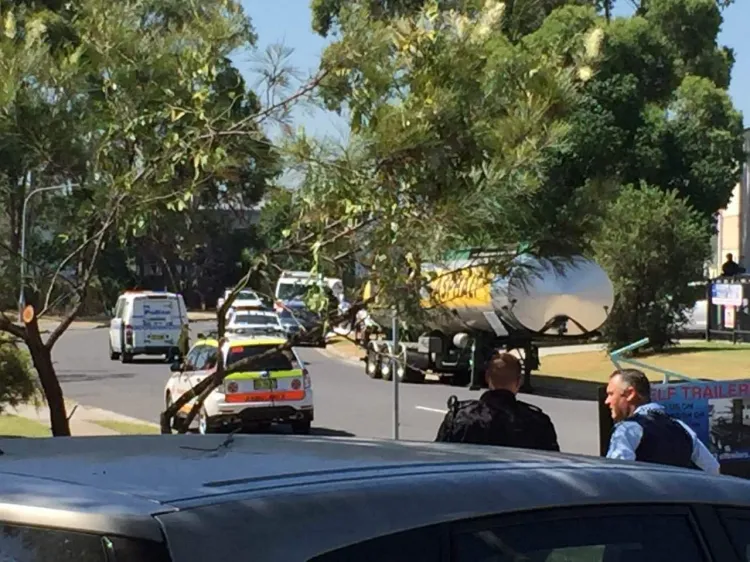
The horrifying Bondi Beach shooting in Sydney left 16 dead and over 40 injured, raising concerns about potential Islamic State ties. As investigations unfold, the motives and implications of this tragic event are explored, revealing connections to past threats and terrorist activities.
Key Takeaways
Shooting at Bondi Beach resulted in significant casualties.
Attackers identified as Naveed and Sajid Akram .
Evidence suggests possible Islamic State ties.
Attack coincided with the Jewish festival of Hanukkah .
Ongoing investigation with a focus on terrorism .
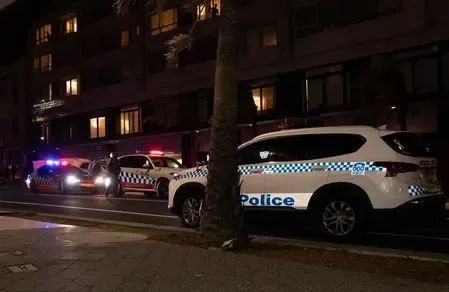
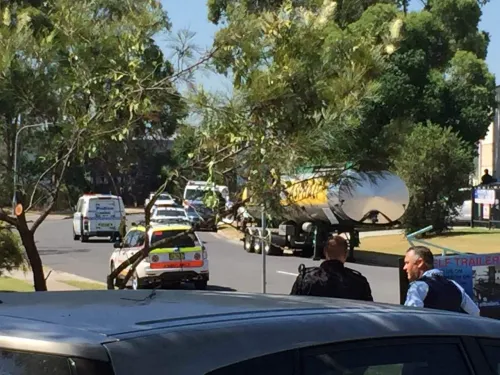
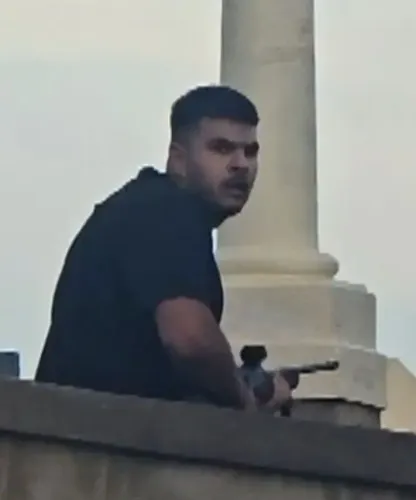
New Delhi, Dec 15 (NationPress) The tragic shooting at Sydney’s Bondi Beach on Sunday resulted in 16 fatalities and left more than 40 individuals injured. This violent incident unfolded as a crowd of approximately 1,000 people gathered to celebrate the first day of Hanukkah. The assailants have been identified as Naveed Akram, a 24-year-old male, and his father, Sajid Akram, aged 50.
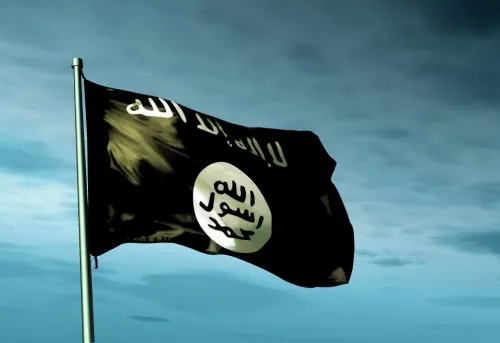
While the underlying motive remains unclear, police investigations revealed the presence of two Islamic State flags found in the vehicle of the attackers. The assailants, Naveed and his father, Sajid, have been recognized as terrorists by law enforcement officials.
Experts suggest that the attack's pattern indicates a potential connection to the Islamic State. Although the exact motive is still being investigated, there are indications that the attackers might have aimed to target the Jewish festival as a means to communicate a message to Israel. Australian authorities are yet to confirm the Islamic State's involvement in this heinous act. Footage from the scene captured one of the flags prominently displayed on the car belonging to the perpetrators.
The inquiry continues, with all evidence hinting at a strong Islamic State connection. Naveed Akram had previously come under scrutiny from Australia’s domestic intelligence agency, ASIO, six years ago due to his ties with a local Islamic State group. His name emerged in connection with an Islamic State-related attack thwarted by the police in 2019, following the arrest of El Matari, a notorious Islamic State operative.
Matari, currently serving a seven-year sentence, had a close relationship with Naveed and was known to plan significant attacks in Sydney. ASIO noted that Naveed was associated with several other Islamic State affiliates.
ASIO director-general Mike Burgess remarked, "One of these individuals was known to us, but not in an immediate-threat context, so we need to investigate the circumstances of this incident." Currently, Naveed is hospitalized under police surveillance, while Sajid died during the armed confrontation.
Counter-terrorism analysts assert that the attack appears to bear the characteristics typical of the Islamic State. It cannot simply be labeled a lone wolf incident given the involvement of multiple assailants. The meticulous planning and execution are indicative of Islamic State tactics.
The targeting of individuals celebrating a Jewish festival suggests a deliberate attempt by the assailants to send a message to Israel, according to expert opinions.
Australia’s Prime Minister Anthony Albanese confirmed that the attackers specifically aimed at the Jewish community during the first day of Hanukkah. The Islamic State has a history of orchestrating such attacks. Similar incidents have occurred in France, where Islamic State-inspired terrorists targeted gatherings.
In 2016, the Nice truck attack carried out by an individual aligned with the Islamic State led to the deaths of 86 people. An Indian Intelligence Bureau official noted that Naveed had been investigated by Australian authorities six years ago, indicating he may have been aware of a major attack planned for Sydney in 2019. Given the current developments, it appears that Naveed may have been waiting for the opportune moment to execute this attack.
Reports suggest that Sajid Akram operated a fruit shop, while Naveed lost his bricklaying job two months prior due to company insolvency. Both are believed to be Pakistani nationals. The police disclosed that Sajid had maintained a gun license for approximately 10 years.
Point of View
I emphasize the importance of thorough investigation and balanced reporting on sensitive topics such as terrorism. The recent attack in Sydney highlights the need for vigilance and understanding of the underlying motives behind such incidents, ensuring the community remains informed and protected.
NationPress
28 Sept 2026
Frequently Asked Questions
What happened at Bondi Beach?
A tragic shooting incident occurred at Bondi Beach in Sydney, resulting in 16 deaths and over 40 injuries.
Who were the attackers?
The attackers were identified as 24-year-old Naveed Akram and his father, 50-year-old Sajid Akram.
Was there a connection to Islamic State?
Yes, evidence suggests a possible connection to the Islamic State, with flags found in their vehicle.
What was the motive behind the attack?
While the exact motive is still unclear, experts believe the attackers targeted the Jewish community during Hanukkah.
What is the current status of the investigation?
The investigation is ongoing, with authorities examining all leads related to the Islamic State.