BRO chief reviews LoC road projects in J&K, inspects Project Sampark
Synopsis
The head of India's Border Roads Organisation visited Northern Command in Udhampur to personally review strategic connectivity projects along the Line of Control — a signal of urgency around border infrastructure. Project Sampark, which grew from 500 km and ₹3.40 crore in 1975 to nearly 3,000 km and ₹1,000 crore annually today, is now the backbone of Jammu's defence road network.
Key Takeaways
Lt Gen Harpal Singh , Director General Border Roads, visited Northern Command HQ in Udhampur, J&K on Friday to review LoC road projects.
Project Sampark currently manages nearly 2,963 km of road network across 9 districts of Jammu and Pathankot, Punjab , with an annual budget of ₹1,000 crore .
The project started in 1975 with just 500 km of roads and a ₹3.40 crore outlay.
Project Sampark also maintains 140 km of Ditch-cum-Bunds (DCB) — tactical fortifications against enemy armour.
The project employs over 8,500 workers from Jammu and Kashmir , supporting border-area economic integration.
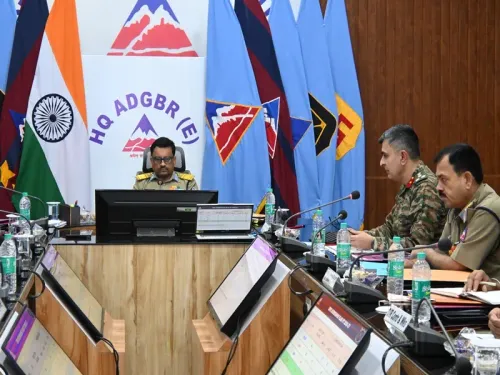
Lieutenant General Harpal Singh, Director General Border Roads (DGBR), visited the Indian Army's Northern Command headquarters in Udhampur, Jammu and Kashmir, on Friday to hold high-level discussions on strategic road development and infrastructure connectivity in forward areas along the Line of Control (LoC).
Key Deliberations at Northern Command
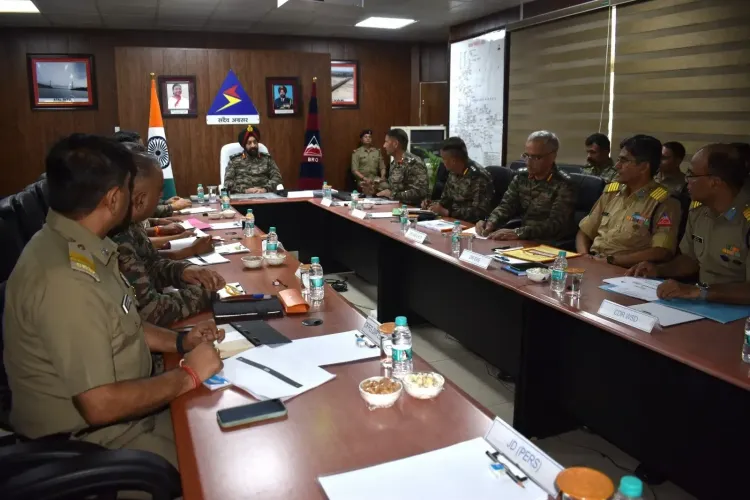
Lt Gen M P Singh, Chief of Staff, Northern Command, and Major General Salil Pandey, Chief Engineer, joined the deliberations with the DGBR. The meeting focused on accelerating critical border connectivity projects, many of which are central to India's defence preparedness in the region.
Lt Gen Harpal Singh subsequently visited the headquarters of Project Sampark of the Border Roads Organisation (BRO), where he reviewed the progress of ongoing works. He interacted with BRO personnel, appreciated their dedication, and urged all ranks to maintain momentum and expedite projects of strategic importance.
What Project Sampark Covers
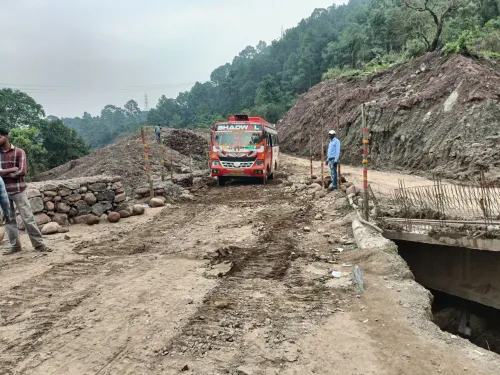
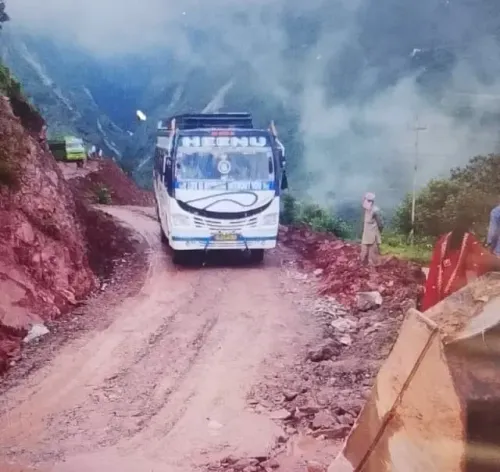
Project Sampark is operationally responsible for road infrastructure across most districts of Jammu — specifically Reasi, Kishtwar, Poonch, Rajouri, Kathua, Doda, Udhampur, Ramban, and Samba. It also oversees strategic projects in Pathankot district, Punjab. Its area of responsibility encompasses largely hilly and mountainous terrain, including the Pir Panjal ranges that divide Jammu from the Kashmir Valley.
Carved out of Project Beacon on 1 January 1975, Project Sampark was established to consolidate all-road development south of the Pir Panjal ranges under Northern Command. It began with just 500 km of road network and a financial outlay of ₹3.40 crore. Today, it manages nearly 2,963 km of road network under construction and maintenance, backed by an annual budget of approximately ₹1,000 crore.
Strategic and Defensive Infrastructure
Beyond roads, Project Sampark maintains 140 km of Ditch-cum-Bunds (DCB) spanning the 10th, 26th, and 29th Infantry Divisions of the Northern and Western Commands. DCBs are tactical defensive fortifications designed to halt enemy tanks and armoured personnel carriers, making them a critical component of India's forward defensive posture along the LoC.
Socio-Economic Impact and Employment
Project Sampark's contribution extends beyond pure defence infrastructure. It has opened new trade routes, connected remote communities to the national road network, and provided vital relief support to populations in border districts. Notably, the project employs more than 8,500 skilled and unskilled workers from Jammu and Kashmir, aiding economic integration of border communities into the mainstream. This dual-use character — strategic connectivity paired with local employment — reflects the BRO's broader mandate in sensitive frontier zones.
With tensions along the LoC remaining a persistent concern, the DGBR's review underscores the Centre's continued emphasis on accelerating border infrastructure as a pillar of both national security and regional development. Future milestones in Project Sampark's expansion will be closely watched by defence analysts and local stakeholders alike.
Point of View
000 crore annually today also illustrates the scale of India's long-term investment in frontier infrastructure — an investment that seldom makes headlines but shapes strategic outcomes. The employment of 8,500 local workers is equally a counter-insurgency instrument, one that successive governments have treated as underreported but essential.
NationPress
26 Sept 2026
Frequently Asked Questions
Why did the DGBR visit Northern Command in Udhampur?
Lt Gen Harpal Singh, Director General Border Roads, visited Northern Command headquarters in Udhampur, J&K, to review the progress of strategic road and infrastructure projects in forward areas along the Line of Control. He also inspected Project Sampark's headquarters and interacted with BRO personnel to urge faster completion of critical connectivity projects.
What is Project Sampark and where does it operate?
Project Sampark is a Border Roads Organisation project responsible for road construction and maintenance in nine border districts of Jammu — Reasi, Kishtwar, Poonch, Rajouri, Kathua, Doda, Udhampur, Ramban, and Samba — as well as Pathankot district in Punjab. It was carved out of Project Beacon on 1 January 1975 to handle all-road development south of the Pir Panjal ranges.
How large is Project Sampark's road network today?
Project Sampark currently manages nearly 2,963 km of road network under construction and maintenance, supported by an annual budget of approximately ₹1,000 crore. It began in 1975 with just 500 km of roads and a financial outlay of ₹3.40 crore.
What are Ditch-cum-Bunds and why do they matter?
Ditch-cum-Bunds (DCBs) are tactical defensive fortifications designed to halt enemy tanks and armoured personnel carriers. Project Sampark maintains 140 km of DCBs across the 10th, 26th, and 29th Infantry Divisions of the Northern and Western Commands, forming a key layer of India's forward defensive infrastructure along the LoC.
How does Project Sampark benefit local communities in J&K?
Beyond defence infrastructure, Project Sampark has opened new trade routes, connected remote border villages to national road networks, and employs more than 8,500 skilled and unskilled workers from Jammu and Kashmir, helping integrate border-area residents into the economic mainstream.