Bengal Phase 2 Polls: BSF on High Alert at Unfenced Bangladesh Borders
Synopsis
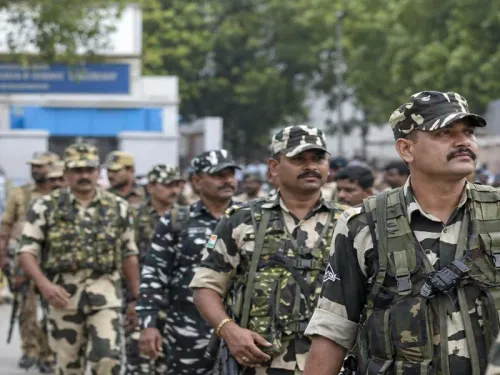
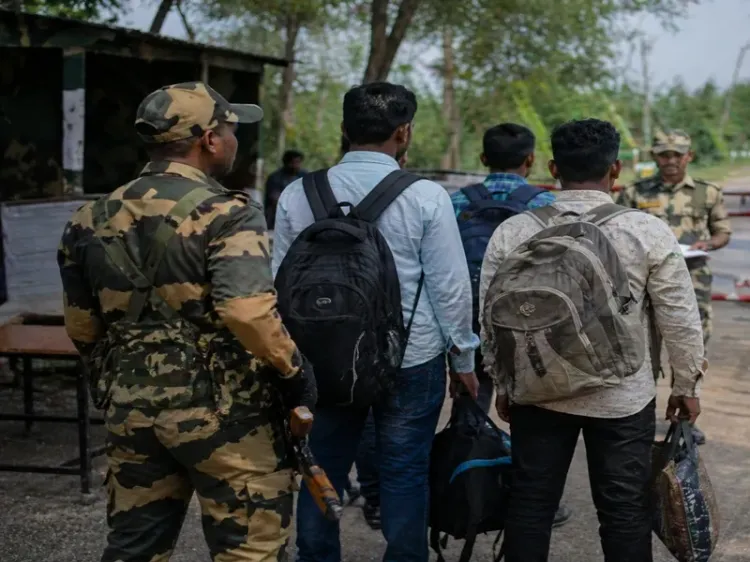
With West Bengal's Phase 2 polls on April 29, the BSF is on high alert at unfenced Bangladesh border stretches. A massive 2,348 central force companies are deployed, coastal patrolling in the Sundarbans is intensified, and 95 police observers — 11 more than Phase 1 — are monitoring 142 constituencies across six districts and Kolkata.
Key Takeaways
Special BSF scanning is underway at unfenced stretches of the West Bengal-Bangladesh border ahead of Phase 2 polls on April 29 .
2,348 companies of central forces — including CAPF and IRB — are deployed for Phase 2, supplementing state and city police.
North 24 Parganas has the highest central force presence with 507 companies ; South 24 Parganas follows with 409 companies .
Phase 2 covers 142 constituencies and 40,000 booths across six districts and Kolkata , compared to 152 constituencies and 45,000 booths in Phase 1.
The number of police observers increased from 84 in Phase 1 to 95 in Phase 2 , an addition of 11 observers .
Coastal patrolling in the Sundarbans has been intensified due to the region's porous maritime boundary with Bangladesh.
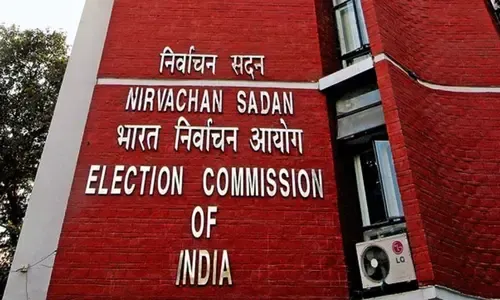
West Bengal's second phase of Assembly elections, scheduled for April 29, has triggered an unprecedented security mobilisation along the state's unfenced stretches of the international border with Bangladesh. Acting on directives from the Election Commission of India (ECI), the Border Security Force (BSF) has been placed on high alert, with special scanning operations underway across vulnerable border districts to prevent cross-border interference and ensure free and fair polling.
Special Border Scanning and Naka Checking Intensified
Chief Electoral Officer (CEO) of West Bengal, Manoj Kumar Agarwal, confirmed that targeted security operations are being conducted at unfenced border zones ahead of the phase two vote. "Special checking is taking place near the unfenced borders ahead of the polls. The Border Security Force is on high alert. The intensity of naka checking is also very high in these areas. All precautions have been taken to ensure free, fair and peaceful polls," he stated.
The unfenced segments of the West Bengal-Bangladesh border have historically been flashpoints for illegal movement of people, arms, and cash — all factors that election authorities are acutely aware of during polling seasons. The current crackdown reflects lessons learned from past elections where border vulnerabilities were exploited.
Phase 2 vs Phase 1: Tighter Coverage Despite Smaller Scale
While the second phase is smaller in scale than the first, security density is significantly higher. In Phase 1 held on April 23, polling took place at 45,000 booths across 152 Assembly constituencies spread over 16 districts. Phase 2 covers 40,000 booths across 142 constituencies in just six districts and Kolkata.
CEO Agarwal noted that the reduced geographic spread paradoxically enables tighter security coverage. "So naturally, the extent of security coverage and surveillance will be higher in the second phase than in the first phase," he said. The number of police observers has also been raised — 95 observers in Phase 2 compared to 84 in Phase 1, an increase of 11 additional observers.
Massive Central Force Deployment Across Key Districts
A total of 2,348 companies of central forces — comprising the Central Armed Police Forces (CAPF), India Reserve Battalion (IRB), and armed police units from other states — will be deployed for Phase 2, supplementing existing West Bengal Police and Kolkata Police personnel.
The highest concentration of central forces will be in North 24 Parganas with 507 companies, followed by South 24 Parganas with 409 companies. Both districts share extensive boundaries with Bangladesh, making them the most sensitive zones for electoral security.
This deployment pattern is telling — North 24 Parganas alone accounts for over 21% of the total central force deployment, underscoring the district's strategic sensitivity and the ECI's risk assessment of the area.
Coastal Patrolling Stepped Up in Sundarbans Region
Beyond land borders, an insider from the CEO's office revealed that coastal patrolling has been significantly intensified across the Sundarbans region, which spans both South 24 Parganas and North 24 Parganas districts. The vast and porous coastal boundary with Bangladesh through the Sundarbans delta poses unique logistical and security challenges that conventional land-based patrolling cannot address.
The Sundarbans — a UNESCO World Heritage mangrove ecosystem — has long been identified by security agencies as a corridor for cross-border smuggling and infiltration. Deploying naval and coastal patrol units here ahead of elections marks a significant escalation in election security protocols.
Broader Significance: Border Security and Electoral Integrity
The scale of this operation reflects a growing national concern about the intersection of border security and electoral integrity in border states. West Bengal shares a 2,216-km international border with Bangladesh, a significant portion of which remains unfenced — a longstanding infrastructural and diplomatic challenge. Critics have long argued that incomplete fencing along this border creates not just security vulnerabilities but also electoral risks through potential voter manipulation and illegal movement.
This comes amid heightened tensions and increased vigilance following recent years of post-election violence in the state, which prompted the Supreme Court and the ECI to demand stronger pre-emptive security measures. The ECI's proactive stance in Phase 2 appears to be a direct response to criticism that Phase 1 security, while extensive, left some gaps in surveillance continuity.
With Phase 2 polling set for April 29, all eyes will be on whether the intensified security apparatus translates into peaceful, incident-free voting — and whether the model adopted here could serve as a template for other border-state elections across India.
Point of View
And that electoral integrity in border states is directly contingent on national security infrastructure. The fact that over 2,300 central force companies are needed to secure 142 constituencies in six districts exposes a structural failure: years of incomplete border fencing along the 2,216-km Bengal-Bangladesh boundary have created a permanent vulnerability that resurfaces every election cycle. The ECI deserves credit for proactive deployment, but the deeper question — why is this fencing still incomplete decades after it was mandated — demands answers from both the Centre and the state, regardless of which party holds power.
NationPress
1 Oct 2026
Frequently Asked Questions
Why is there special security at the Bengal-Bangladesh border ahead of Phase 2 polls?
The Election Commission of India has ordered special scanning at unfenced stretches of the West Bengal-Bangladesh border to prevent illegal movement of people, arms, and cash that could influence the April 29 Phase 2 elections. The BSF has been placed on high alert with intensified naka checking in these sensitive zones.
How many central forces are deployed for West Bengal Phase 2 elections?
A total of 2,348 companies of central forces — including CAPF, India Reserve Battalion, and armed police from other states — are deployed for Phase 2 polls on April 29. This is in addition to West Bengal Police and Kolkata Police personnel.
Which district has the highest central force deployment in Bengal Phase 2?
North 24 Parganas has the highest deployment with 507 companies of central forces, followed by South 24 Parganas with 409 companies. Both districts share extensive and partially unfenced borders with Bangladesh.
How does Bengal Phase 2 security compare to Phase 1?
Phase 2 has tighter security density despite covering fewer areas — 142 constituencies and 40,000 booths versus 152 constituencies and 45,000 booths in Phase 1. Phase 2 also has 95 police observers compared to 84 in Phase 1, an increase of 11.
Why is coastal patrolling intensified in the Sundarbans before Bengal polls?
The Sundarbans region in South and North 24 Parganas has an extensive coastal boundary with Bangladesh that is difficult to monitor through conventional land patrols. Security agencies have intensified naval and coastal patrolling to prevent cross-border movement that could affect the integrity of Phase 2 voting on April 29.