CAQM orders Delhi MCD to clear road dust by October 31 deadline

Synopsis
With winter smog weeks away, CAQM has issued a firm 31 October deadline to all 12 MCD zones to clear road dust and C&D waste — backed by a formal hearing where every Deputy Commissioner had to present an action plan. The clock is ticking for Delhi's civic body to deliver a measurable cleanup before cold air traps pollutants at ground level.
Key Takeaways
CAQM Chairman Rajesh Verma directed MCD to remove road dust, garbage, and C&D waste across all 12 zones by 31 October 2026 .
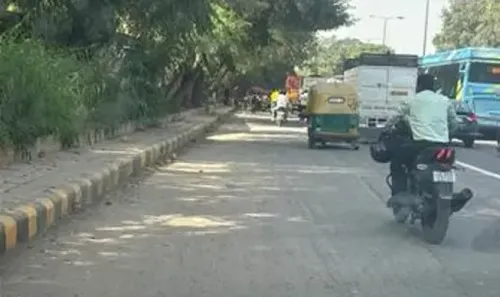
The directive followed a field inspection on 3 October that found highly visible road dust and C&D waste accumulation on PWD and MCD-maintained stretches.
All 12 MCD zones — from Narela in the north to Najafgarh in the south-west — were covered in the zone-wise review.
Deputy Commissioners made presentations on sweeping operations, dust mitigation measures, and enforcement actions taken so far.
All zones were directed to comply strictly with CAQM Statutory Directions to control road dust and improve Delhi-NCR air quality ahead of winter.
The Commission for Air Quality Management in NCR and Adjoining Areas (CAQM) on Monday, 12 October 2026, directed zonal heads of the Municipal Corporation of Delhi (MCD) to remove accumulated dust, garbage, and Construction and Demolition (C&D) waste from roads and open areas across all 12 zones by 31 October, according to an official statement. The directive, issued by CAQM Chairman Rajesh Verma, comes amid fresh concerns over deteriorating air quality in the Delhi-NCR region ahead of the winter smog season.
What Triggered the Directive
The hearing was convened under the Commission's notice dated 7 October, itself issued following a field inspection on 3 October, during which inspectors observed highly visible road dust and significant accumulation of C&D waste on stretches maintained by the Public Works Department (PWD) and cleaned by MCD. The inspection findings prompted CAQM to formally summon senior civic officials and demand accountability.
The MCD Commissioner and Deputy Commissioners (DCs) of all 12 zones were called upon to explain the gaps and detail corrective action plans, according to the official statement.
Zones Under Review
The review covered all 12 MCD zones: Outer North Zone (Narela), City SP Zone (Old Delhi), Civil Line Zone (North), Rohini Zone (North West), Central North Zone (Keshavpuram), Central Zone (Karol Bagh), South Zone, Central Zone (South East), Najafgarh Zone (South West), West Zone, Shahdara South Zone (East), and Shahdara North Zone (North East). The zone-wise presentations detailed sweeping operations undertaken, dust mitigation measures implemented, and enforcement actions taken.
What MCD Has Been Asked to Do
During the hearing, Deputy Commissioners presented zone-by-zone action plans covering the removal of accumulated and legacy dust, garbage, and C&D debris from roads, roadsides, medians, footpaths, and other open areas. All concerned zones and agencies were directed to ensure strict compliance with CAQM's Statutory Directions and to strengthen dust mitigation measures for the effective control of road dust pollution.
The Commission stressed improvement of overall air quality across Delhi-NCR through sustained enforcement, rather than one-time cleanup drives.
Why It Matters for Delhi Residents
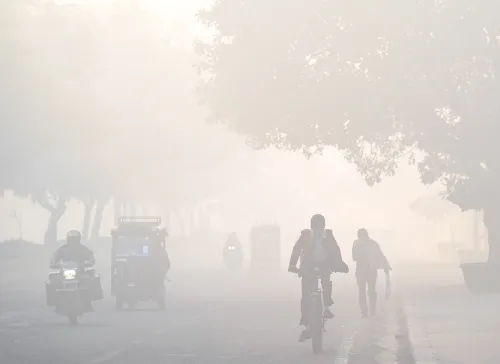
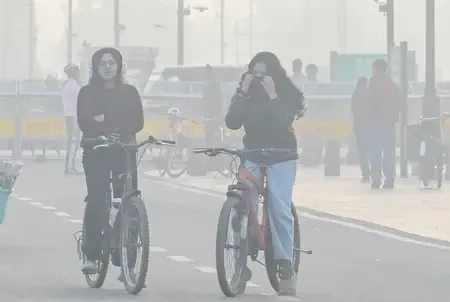
Road dust is among the leading contributors to Delhi's particulate matter (PM10 and PM2.5) levels, particularly during the pre-winter months of October and November when the air column traps pollutants close to the ground. This directive follows a pattern of CAQM interventions each autumn — the Commission has previously issued emergency orders in 2022, 2023, and 2024 as well, though compliance has been uneven across zones. The 31 October deadline is designed to pre-empt the worst of the seasonal smog before temperatures drop further.
Civic agencies face a tight three-week window to demonstrate measurable progress before the Commission's next review.
Point of View
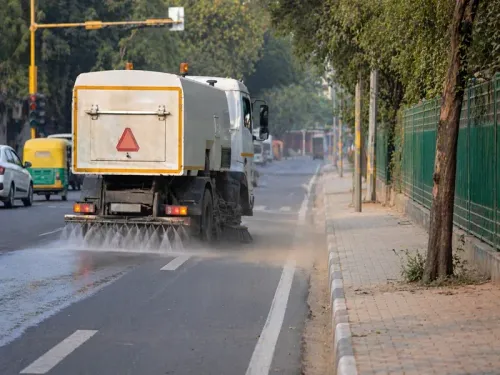
Officials present plans, and compliance remains patchy by the time smog season peaks in November. The real question is whether the 31 October deadline will be followed by measurable, zone-level verification, or whether it will dissolve into the usual fog of bureaucratic assurances. Road dust mitigation requires sustained mechanised sweeping and wet-jet operations, not one-time clearance drives. Until CAQM publishes post-deadline compliance data zone by zone, Delhi residents have little basis to judge whether the directive moved the needle.
NationPress
12 Oct 2026
Frequently Asked Questions
What has CAQM ordered Delhi MCD to do by October 31?
CAQM has directed all 12 MCD zones to remove accumulated dust, garbage, and Construction and Demolition (C&D) waste from roads, medians, footpaths, and open areas by 31 October 2026. The order was issued by CAQM Chairman Rajesh Verma during a formal hearing on 12 October.
Why did CAQM issue this directive to MCD?
A CAQM inspection on 3 October found significant road dust and C&D waste on stretches maintained by the Public Works Department and cleaned by MCD. The findings prompted the Commission to issue a notice on 7 October and subsequently hold a zone-wise review hearing.
Which MCD zones are covered under the CAQM order?
All 12 MCD zones are covered: Outer North (Narela), City SP (Old Delhi), Civil Line (North), Rohini (North West), Central North (Keshavpuram), Central (Karol Bagh), South, Central (South East), Najafgarh (South West), West, Shahdara South (East), and Shahdara North (North East).
Why does the October 31 deadline matter for Delhi air quality?
October and November mark the onset of Delhi's worst smog season, when cooler temperatures trap pollutants close to the ground. Road dust is a major contributor to PM10 and PM2.5 levels, making pre-winter clearance critical for limiting air quality deterioration across Delhi-NCR.
What happens if MCD fails to meet the October 31 deadline?
CAQM has directed all zones to ensure strict compliance with its Statutory Directions. While specific penalties were not detailed in the statement, CAQM has statutory authority to direct and enforce compliance by civic agencies in the NCR, and failure to meet targets can lead to further hearings and escalated directions.