CBI closes Travancore Titanium case against Chennithala
Synopsis
The CBI has told the Kerala High Court it lacks evidence to prosecute Ramesh Chennithala in the ₹256-crore Travancore Titanium effluent plant case and has filed a closure report. Chennithala withdrew his 2014 petition, calling the two-decade controversy a politically motivated Left campaign.
Key Takeaways
The CBI told the Kerala High Court on Wednesday it had insufficient evidence to prosecute Ramesh Chennithala in the Travancore Titanium case.
The agency has filed a closure report before the competent Special Court.
The case relates to a ₹256-crore effluent treatment plant at Travancore Titanium Products Ltd during 2004-06 .
The main allegation was that equipment was purchased without a global tender; then CM Oommen Chandy was also named.
Chennithala’s 2014 High Court petition will not be pressed; Justice C.
Jayachandran accepted that submission.
The High Court had in 2023 directed the CBI to take over from the Vigilance and Anti-Corruption Bureau.
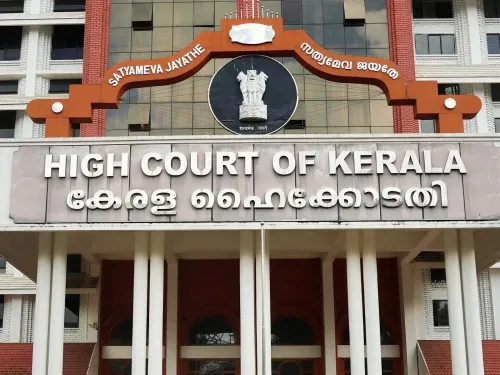
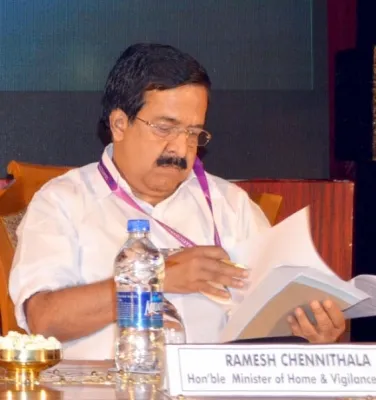
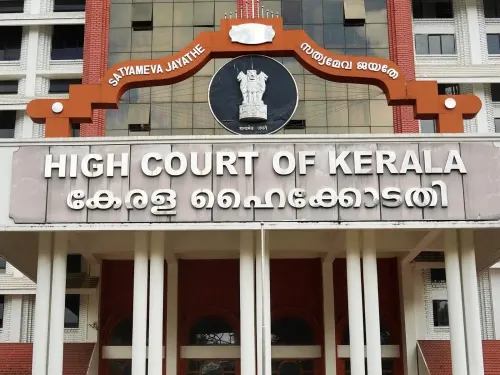
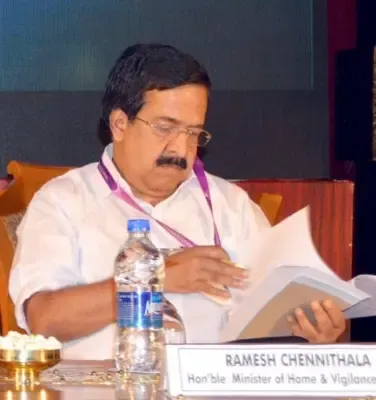
The Central Bureau of Investigation (CBI) on Wednesday informed the Kerala High Court that it had found insufficient evidence to prosecute Kerala Home Minister Ramesh Chennithala in the Travancore Titanium corruption case and had filed a closure report before the competent Special Court. The submission, placed on record on 25 November in Kochi, relates to alleged irregularities in a ₹256-crore effluent treatment plant at state-owned Travancore Titanium Products Ltd.
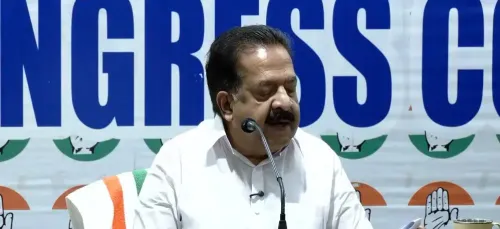
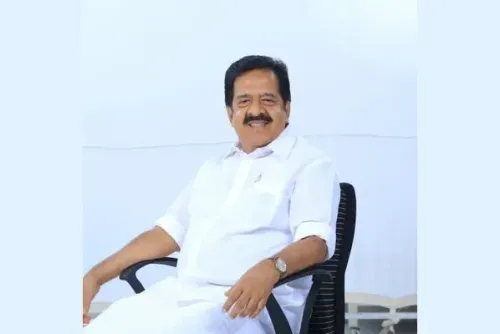
Chennithala described the long-running matter as “politically motivated”. He said: “There was nothing in this case, but the Left used it to politically target us, and now the truth has come out.”
What the CBI told the High Court
The agency told the court that its investigation had not unearthed sufficient material to prosecute Chennithala in the alleged corruption involving installation of the effluent treatment plant. It said a closure report had been filed before the competent Special Court after that finding of insufficient evidence.
Following the submission, counsel for Chennithala informed the court that he would not press the petition filed by him in 2014 challenging the proceedings against him. Justice C. Jayachandran accepted the submission. Notably, it was the same High Court that in 2023 directed the CBI to take over the investigation.
What the Travancore Titanium allegations were
The case, dating back to 2004-06, involved alleged irregularities in setting up the ₹256-crore effluent treatment plant at the company. The principal allegation was that the contract for purchasing equipment for the plant was awarded without inviting a global tender.
Apart from Chennithala, allegations were also raised against then Chief Minister Oommen Chandy and others. The controversy became a major political weapon for the CPI(M)-led Left during the 2011-16 UDF government. Chandy and Chennithala, in particular, came under sustained attack from the Left over alleged irregularities in the project.
From the Vigilance Bureau to the CBI
The case was initially investigated by the Vigilance and Anti-Corruption Bureau. Chennithala approached the High Court in 2014, challenging the proceedings against him. In 2023, the High Court directed the CBI to take over the investigation, a transfer that has now been followed by the agency’s finding that it does not have sufficient material to prosecute him.
This comes amid years in which the effluent plant was used as a campaign charge. The Left repeatedly trained fire on the UDF leadership over the project. The CBI’s latest stand before the High Court is that it does not have sufficient material to take Chennithala to trial.
Political relief and the road ahead
The latest development gives Chennithala considerable political relief after years of allegations surrounding the project. With the CBI on record and a closure report before the Special Court, his 2014 petition will not be pressed further.
The High Court has recorded that the 2014 petition will not be pressed. The Special Court now holds the closure report. For Chennithala, a case that shadowed him from the mid-2000s through the UDF years has, on the central agency’s present finding, not yielded evidence enough to prosecute.
Point of View
Not a political certificate, and that distinction should not be lost in Kerala’s partisan noise. The Travancore Titanium plant was turned into a campaign instrument against the UDF between 2011 and 2016 even as the file moved from Vigilance to the High Court and then to the CBI. If the evidence was always insufficient, the public paid in years of suspicion rather than in a concluded trial. The episode underlines how vigilance cases that live mainly as talking points leave citizens with heat and very little institutional light.
NationPress
25 Nov 2026
Frequently Asked Questions
What did the CBI say about Ramesh Chennithala in the Travancore Titanium case?
The CBI told the Kerala High Court it found insufficient evidence to prosecute Chennithala and has filed a closure report before the Special Court. The finding relates to alleged corruption in installing an effluent treatment plant at Travancore Titanium Products Ltd.
Why did Chennithala call the Travancore Titanium case politically motivated?
Chennithala said there was nothing in the case and that the Left used it to politically target his side. He made the remarks after the CBI informed the High Court of the closure report.
What was the Travancore Titanium corruption case about?
It concerned alleged irregularities in a ₹256-crore effluent treatment plant at Travancore Titanium Products Ltd during 2004-06. The principal allegation was that the contract for purchasing equipment was awarded without inviting a global tender.
What happens to Chennithala’s 2014 Kerala High Court petition?
His counsel told the court he would not press the 2014 petition challenging the proceedings against him. Justice C. Jayachandran accepted that submission after the CBI’s closure stand.
Who else was named in the Travancore Titanium case?
Allegations were also raised against then Chief Minister Oommen Chandy and others. The controversy was used as a major political weapon by the CPI(M)-led Left during the 2011-16 UDF government.