Chakma voters in Arunachal: CDFI urges ECI to halt targeting of 1,292 electors
Synopsis
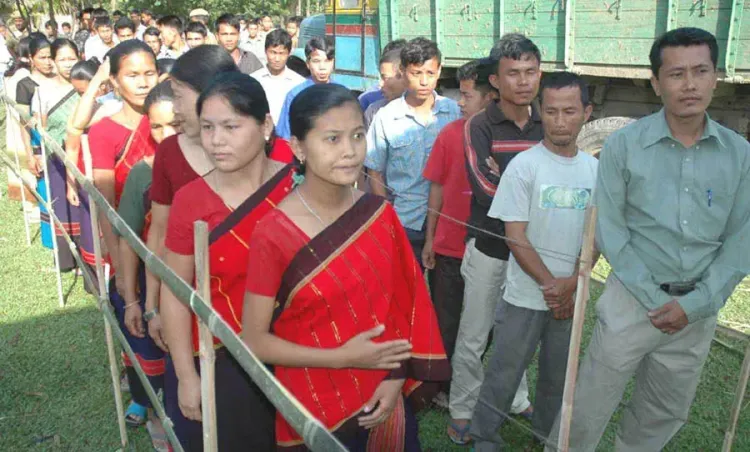
A tribal advocacy body has flagged what it calls a coordinated campaign to disenfranchise 1,292 Chakma voters across four Arunachal Pradesh constituencies — despite over two decades of judicial rulings affirming their citizenship. With hearings set for 2 September and a student union already mobilised, the Election Commission faces pressure to act before the situation escalates.
Key Takeaways
The Chakma Development Foundation of India (CDFI) has petitioned the ECI over the alleged targeting of 1,292 Chakma electors in Arunachal Pradesh .
Affected constituencies: Bordumsa-Diyum (413), Doimukh (774), Miao (49), and Chowkham (56).
One individual reportedly filed objections against up to 30 Chakma voters without personal knowledge of them, which the CDFI calls a pattern of targeting.
Objections against 41 voters in Moitripur were allegedly accepted on 22 August 2026 , two days after the 20 August deadline — flagged as a procedural violation.
Multiple court rulings — including by the Delhi High Court (2000) , Gauhati High Court (2013) , and Supreme Court (2015) — have affirmed Chakma citizenship rights.
The CDFI has sought deployment of central security forces ahead of hearings scheduled from 2 September at Diyun and Bordumsa.
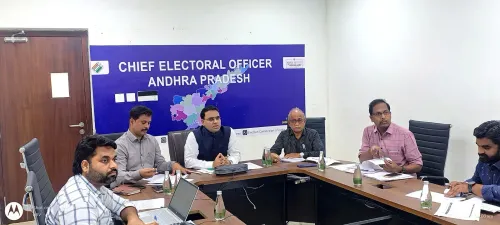
The Chakma Development Foundation of India (CDFI), a New Delhi-based tribal advocacy body, on Monday, 24 August 2026, formally urged the Election Commission of India (ECI) to intervene over the alleged systematic targeting of at least 1,292 Chakma electors across four Assembly constituencies in Arunachal Pradesh during the ongoing Special Intensive Revision (SIR) of electoral rolls. The organisation warned of potential violence ahead of hearings scheduled from 2 September at Diyun and Bordumsa.
Constituency-Wise Breakdown of Affected Voters
According to the CDFI, the 1,292 Chakma electors facing objections are spread across Bordumsa-Diyum (413 voters), Miao (49), Doimukh (774), and Chowkham (56) constituencies. The organisation flagged a particular anomaly: a single individual had reportedly filed objections against as many as 30 Chakma electors on grounds of non-citizenship, despite admittedly having no personal knowledge of those individuals. CDFI founder Suhas Chakma described this as 'exposing a pattern' of coordinated disenfranchisement.
Procedural Violations and Constitutional Concerns
The CDFI also highlighted what it termed a breach of procedural rules: objections against 41 Chakma voters in Moitripur under the Bordumsa-Diyum constituency were reportedly accepted on 22 August 2026 — two days after the prescribed deadline of 20 August had lapsed. The foundation called this a direct violation of the rule of law.
On constitutional grounds, the CDFI invoked Article 325 of the Constitution, which explicitly prohibits exclusion from electoral rolls on the basis of religion, race, caste, or sex. 'It is evident that the names of eligible Chakmas have not been included mainly because they belong to the Chakma tribe, which is violative of Article 325,' Suhas Chakma said.
Legal Precedents Supporting Chakma Citizenship
The CDFI's petition rests on a series of judicial rulings affirming Chakma citizenship rights. The Delhi High Court, in its 28 September 2000 judgment in PUCL vs Election Commission of India, upheld Chakmas' citizenship by birth. This was reinforced by an ECI order dated 3 March 2004, which explicitly described the non-inclusion of Chakma voters as racial discrimination. Subsequent rulings by the Gauhati High Court in March 2013 and the Supreme Court in September 2015 also ruled in favour of the Chakma community. 'The Chakmas have been voting in Arunachal Pradesh for the last 26 years,' Suhas Chakma noted.
AAPSU's Role and Fear of Violence
The CDFI linked the surge in objections to a committee constituted by the All Arunachal Pradesh Students' Union (AAPSU) on 14 July 2026, specifically to identify and remove what it described as non-citizen entries from electoral rolls. The foundation expressed concern that this mobilisation could translate into intimidation during upcoming hearings. It recalled the Supreme Court's 9 January 1996 judgment in NHRC vs Arunachal Pradesh, which directed the deployment of central security forces to protect the life and liberty of Chakmas in the state.
What the CDFI Has Demanded
The CDFI has urged the ECI to direct the Chief Electoral Officer, Arunachal Pradesh, and concerned Electoral Registration Officers to disallow objections filed against Chakma electors. It has also sought the deployment of independent observers and central security forces during hearings, and requested that each objection be assessed individually and strictly in accordance with law — ensuring no elector is excluded solely on account of Chakma identity. Similar protections have been sought for the Hajong community. How the ECI responds to the petition is likely to set a significant precedent for minority electoral rights in the Northeast.
Point of View
Yet the same challenge resurfaces with each revision cycle in Arunachal Pradesh. The AAPSU's formation of a dedicated committee to challenge voter rolls, followed almost immediately by a wave of objections from individuals with no personal knowledge of the voters they are contesting, raises serious questions about due process. The ECI's own 2004 order called non-inclusion of Chakma voters racial discrimination — which makes any administrative acceptance of post-deadline objections particularly difficult to justify. The Commission's response will be watched closely: a weak or delayed intervention risks normalising the use of electoral roll revisions as a tool of ethnic exclusion.
NationPress
10 Oct 2026
Frequently Asked Questions
Who are the Chakma voters being targeted in Arunachal Pradesh?
The Chakmas are a tribal community whose members have been on Arunachal Pradesh's electoral rolls for over 26 years. The CDFI says 1,292 of them across four Assembly constituencies face objections to their voter registrations during the current Special Intensive Revision of electoral rolls.
What is the CDFI asking the Election Commission to do?
The CDFI has urged the ECI to direct Electoral Registration Officers to disallow objections filed against Chakma electors, depute independent observers for upcoming hearings, and request central security forces be deployed to prevent intimidation of Chakma and Hajong community members.
What legal backing do the Chakmas have for their citizenship claims?
Chakma citizenship by birth has been upheld by the Delhi High Court in 2000, reinforced by an ECI order in 2004 that called their exclusion racial discrimination, and affirmed further by the Gauhati High Court in 2013 and the Supreme Court in 2015.
What role has the All Arunachal Pradesh Students' Union played?
The AAPSU constituted a committee on 14 July 2026 specifically to identify and remove what it described as non-citizen entries from electoral rolls. The CDFI has linked the subsequent surge in objections against Chakma voters to this mobilisation.
What procedural violation has the CDFI flagged?
The CDFI says objections against 41 Chakma voters in Moitripur under the Bordumsa-Diyum constituency were accepted on 22 August 2026 — two days after the prescribed deadline of 20 August had passed — which it terms a violation of the rule of law.