Chidambaram accuses CEC Gyanesh Kumar of covering tracks in Form 6 row
Synopsis
P. Chidambaram has called the Election Commission’s own 29 September letter a ‘confession’ by CEC Gyanesh Kumar — alleging that over 13 crore voters were hastily excluded during the SIR, and that the CEC is now scrambling to re-enrol them. With a High Court asking hard questions, CEOs in three states at odds with the ECI, and one appeals judge having quit, the SIR controversy is rapidly widening into a full-blown institutional crisis.
Key Takeaways
Chidambaram accused CEC Gyanesh Kumar of trying to ‘cover his tracks’ over the Special Intensive Revision (SIR) controversy on 2 October 2026 .
The Election Commission removed the additional declaration from Form 6 on the ECINet portal on 30 September 2026 in states where the SIR has concluded.
Chidambaram alleged 13,30,00,000 voters were excluded ‘in haste’ during the SIR process.
The Maharashtra CEO has protested, the Odisha CEO has applied for premature retirement, and the Karnataka CEO has ordered an inquiry into bulk Form 7 applications against Muslim voters.
The Bombay High Court has posed ‘difficult questions’ to the ECI and the Maharashtra CEO.
Chidambaram claimed one judge handling West Bengal voter appeals has quit, with 93 per cent of disposed cases having been decided in voters’ favour.
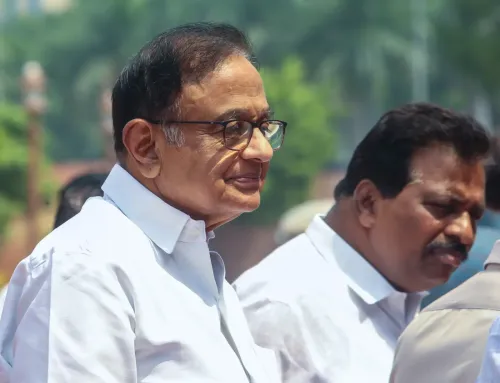
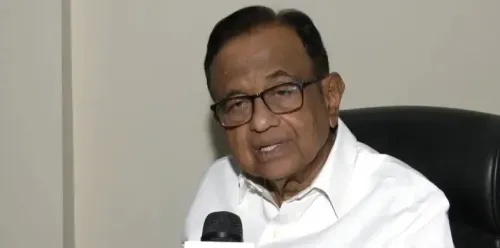
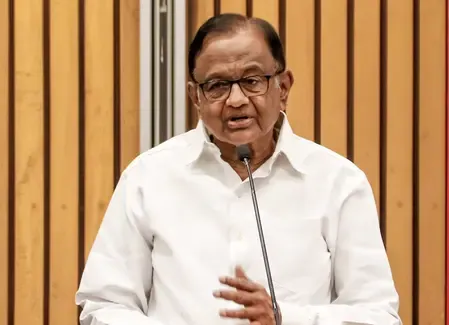
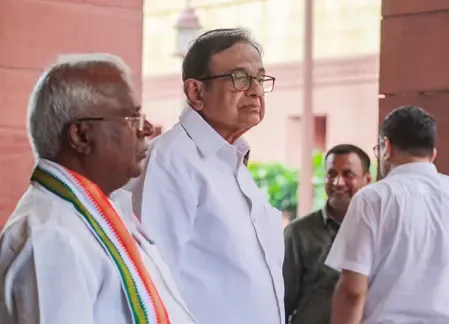
Congress leader and former Union Minister P. Chidambaram on Friday, 2 October 2026, alleged that Chief Election Commissioner Gyanesh Kumar is “desperate to cover his tracks” and reverse decisions he reportedly made unilaterally in the name of the Election Commission of India (ECI). The remarks sharpened an already escalating political and legal battle over the Special Intensive Revision (SIR) of electoral rolls and its fallout for millions of voters.
What Chidambaram Said on X
In a post on X, Chidambaram characterised the ECI’s letter dated 29 September 2026 as a ‘confession’ by the CEC. “The letter dated 29-09-2026 of the Election Commission is actually a ‘confession’ by Mr Gyanesh Kumar… the S.I.R. left out many lakhs of genuine voters, and he has now directed that the ‘left out’ voters must be re-enrolled!” the Rajya Sabha MP wrote.
He further alleged that control of the ECINet portal was centralised under the CEC, stripping powers from Chief Electoral Officers (CEOs), District Electoral Officers (DEOs), and Electoral Registration Officers (EROs).
The Form 6 Controversy Explained
The dispute centres on the Election Commission’s decision on 29 September 2026 to remove an additional declaration from Form 6 — the voter enrolment application — on its ECINet portal in states where the SIR has concluded. The change took effect on 30 September 2026. Critics, including Chidambaram, argue the original SIR process resulted in the exclusion of 13,30,00,000 voters — a figure he attributed to what he described as decisions taken “in haste.”
“Gyanesh Kumar spent several crores of rupees in excluding 13,30,00,000 voters, and he is now spending crores of rupees to include them,” Chidambaram said.
Allegations of Political Partisanship
Chidambaram alleged that the CEC used the ECI to shield Bharatiya Janata Party (BJP) governments, and that the BJP in turn was now “protecting Gyanesh Kumar by banning all protests and closing 11 Metro stations.” He questioned what recourse was available to voters among the 13,30,00,000 who were unable to cast their ballots in recent assembly elections in Bihar and West Bengal.
The Congress leader specifically raised the case of affected voters in West Bengal whose appeals were reportedly allowed by judges — “93 per cent of the cases disposed of” — yet who were still unable to vote in the West Bengal assembly elections.
Cracks Within the Election Commission
Chidambaram pointed to what he described as institutional fault lines within the poll body. He cited the Maharashtra CEO having lodged a protest, the Odisha CEO applying for premature retirement, and the Karnataka CEO ordering an inquiry into bulk Form 7 applications filed allegedly against Muslim voters. The Bombay High Court, he noted, has posed “difficult questions” to both the ECI and the Maharashtra CEO.
“Other CEOs should speak now and expose the illegal directions and decisions,” he urged on X. He also stated that several judges appointed to hear appeals in West Bengal have expressed frustration, and that one judge has quit. “The entire illegal S.I.R. is unravelling. Where is the original file in which the decision to conduct an S.I.R. was taken?” he asked.
What Comes Next
The ECI has not responded publicly to Chidambaram’s latest allegations as of Friday evening. With the Bombay High Court already asking pointed questions and multiple state-level electoral officers reportedly at odds with the central poll body, the controversy is expected to intensify. Legal challenges and opposition pressure on the ECI are likely to continue in the days ahead.
Point of View
But the institutional details he cites — a CEO applying for premature retirement, another ordering an inquiry into targeted Form 7 deletions, a High Court pressing hard questions — are harder to dismiss as mere opposition noise. The ECI’s silence on the specifics, combined with the reversal of SIR-era Form 6 requirements, does raise legitimate questions about whether the SIR process was conducted with adequate safeguards. The deeper problem is structural: centralising ECINet controls while conducting a mass revision of voter rolls is a governance design that was always going to invite exactly this kind of challenge. What the controversy really demands is a transparent audit trail — the ‘original file’ Chidambaram asks about — not just a procedural rollback.
NationPress
2 Oct 2026
Frequently Asked Questions
What is the Form 6 and SIR controversy involving the Election Commission?
The Special Intensive Revision (SIR) is a process used by the Election Commission of India to update electoral rolls. Congress leader P. Chidambaram has alleged that the SIR resulted in over 13 crore voters being hastily excluded, and that the ECI’s subsequent decision on 29 September 2026 to remove an additional declaration from Form 6 on the ECINet portal amounts to an admission that the exclusions were erroneous.
What did Chidambaram say about CEC Gyanesh Kumar?
Chidambaram accused CEC Gyanesh Kumar of making unilateral, allegedly illegal decisions in the name of the Election Commission and then attempting to reverse them. He described the ECI’s 29 September letter as a ‘confession’ by Kumar, and alleged that centralising ECINet controls had stripped state-level electoral officers of their powers.
Which state electoral officers have raised concerns about the ECI’s SIR process?
According to Chidambaram, the Maharashtra CEO has filed a protest, the Odisha CEO has applied for premature retirement, and the Karnataka CEO has ordered an inquiry into bulk Form 7 applications filed against Muslim voters. The Bombay High Court has also raised pointed questions with the ECI and the Maharashtra CEO.
How many voters does Chidambaram claim were affected?
Chidambaram alleged that 13,30,00,000 (approximately 13.3 crore) voters were excluded during the SIR process. He questioned what recourse is available to those among them who were unable to vote in recent assembly elections in Bihar and West Bengal.
What is the current status of the West Bengal voter appeals?
Chidambaram stated that judges appointed to hear voter appeals in West Bengal have expressed frustration, with one judge having quit. He noted that 93 per cent of disposed cases were decided in favour of affected voters, yet those individuals were still reportedly unable to vote in the West Bengal assembly elections.