Which New Spots are Emerging as Roosting and Breeding Grounds for Migratory Birds in Chennai?
Synopsis
Discover the latest hotspots for migratory birds in Chennai, including Otteri Lake, Melmaruvathur tank, and the SRMC campus. These locations are vital for conservation efforts, showcasing how communities can protect wildlife amidst urban pressures. Join us in exploring these essential habitats for our feathered friends this winter!
Key Takeaways
Otteri Lake and Melmaruvathur tank are key habitats for migratory birds.
Successful breeding of several species occurs at these sites.
Community-led conservation efforts have transformed these areas.
Urbanization poses challenges but targeted actions can create resilient environments.
The peak migratory season lasts from November to March.
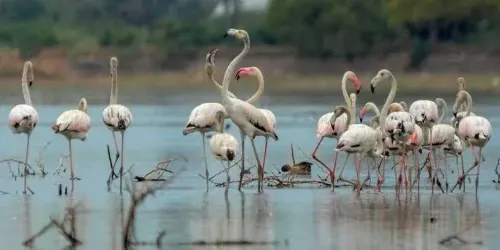
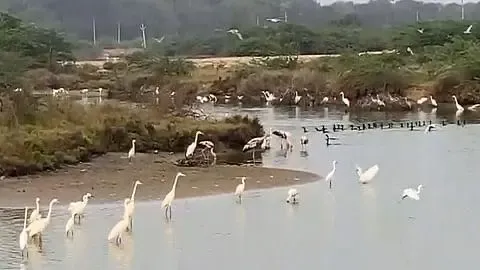
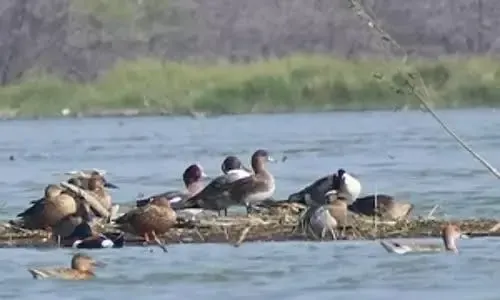
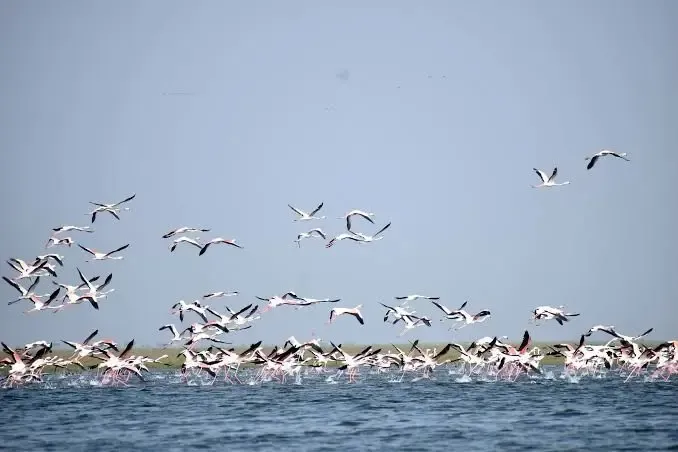
Chennai, Dec 1 (NationPress) In Tamil Nadu, the Otteri Lake located in Vandalur, the vast Melmaruvathur tank, and the towering tree clusters on the Sri Ramachandra Medical College (SRMC) campus in Porur are becoming this season's most active roosting and breeding sites for migratory birds.
While access to SRMC remains restricted to the public, the other two sites are experiencing a steady influx of visitors eager to witness the arrival of these flocks for winter.
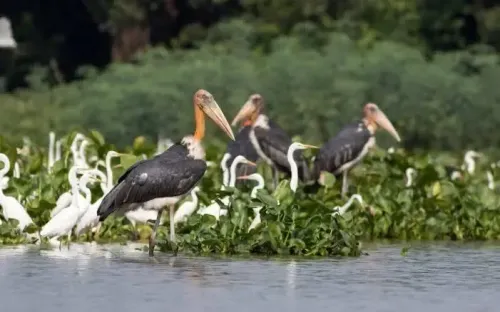
At Otteri Lake within the Arignar Anna Zoological Park, officials report that the migratory season has commenced early. Egrets, grey herons, and Asian open-billed storks have already made their appearance, searching for nesting locations. They will soon be joined by painted storks, cormorants, and spoonbills, resulting in an expected total of nearly 3,500 birds during peak winter.
This lake fosters successful breeding for various species, including open-billed storks, spoonbills, white ibis, grey herons, pond herons, large egrets, and darters. Although spot-billed pelicans frequently visit, they do not breed in this location, as noted by a senior park official.
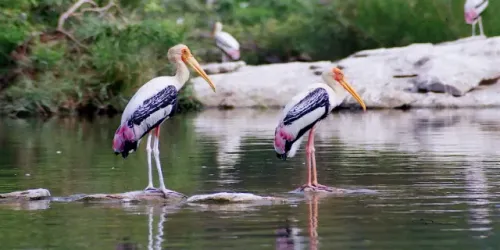
Painted storks, typically late arrivals in January, prolong the migratory season until April. Their presence is contingent on water availability, and the consistent water levels — bolstered by desilting and restoration initiatives — have already attracted over 5,000 birds following this year’s monsoon.
Further south, the Melmaruvathur tank has steadily evolved into a reliable habitat for migratory birds over the past decade.
Local bird watchers note that the pivotal moment occurred in 2013 when the Melmaruvathur Trust introduced iron nesting and roosting platforms, drawing inspiration from bird sanctuaries in other states. Trustee G.B. Anbazhagan spearheaded this initiative, transforming the tank from a seasonal stopover into a flourishing winter haven.
Meanwhile, the SRMC campus at Porur continues to host large flocks among its lofty trees, although access restrictions limit observations to researchers and staff. These emerging hotspots underscore the increasing ecological importance of the scattered wetlands and tanks throughout the Chennai region.
As urbanization encroaches upon traditional habitats, the emergence of such alternative sites illustrates how focused conservation efforts — whether through community support or institutional initiatives — can cultivate resilient environments for migratory birds.
As the peak season unfolds between November and March, these tranquil havens are becoming vital lifelines within the broader biodiversity network of the city.
Point of View
It is imperative to highlight the significance of emerging habitats for migratory birds in Chennai. The transformation of local wetlands and tanks indicates a positive response to urbanization challenges, showcasing human efforts in conservation. This trend not only benefits biodiversity but also enhances the ecological landscape of the region.
NationPress
1 Oct 2026
Frequently Asked Questions
What are the best locations for observing migratory birds in Chennai?
The best spots include Otteri Lake, Melmaruvathur tank, and the SRMC campus. Each location offers unique opportunities for bird watching.
Why are these areas important for migratory birds?
These areas provide critical breeding and roosting sites, essential for the survival of various migratory species.
How can the public contribute to bird conservation?
Community support through awareness and participation in conservation initiatives can significantly impact the preservation of these habitats.