Is China Expanding Its Influence in South America and Isolating Taiwan?
Synopsis
US senators express alarm as China intensifies its political and economic influence in South America, undermining US interests and challenging Taiwan's international presence. With strategic investments and diplomatic pressure, Beijing's maneuvers are raising significant concerns about the future of US relations in the region.
Key Takeaways
China's expansion threatens US interests in South America.
Beijing is persuading countries to cut ties with Taiwan.
Russia and Iran are collaborating with China in the region.
US must reevaluate military and diplomatic strategies.
China's activities reshape regional alliances and power dynamics.
Washington, Jan 20 (NationPress) US senators have expressed concerns that China is swiftly broadening its political, economic, and security influence throughout South America. This expansion is facilitated through control of infrastructure, strategic investments, and diplomatic maneuvering, all aimed at undermining US interests and diminishing Taiwan's global position.
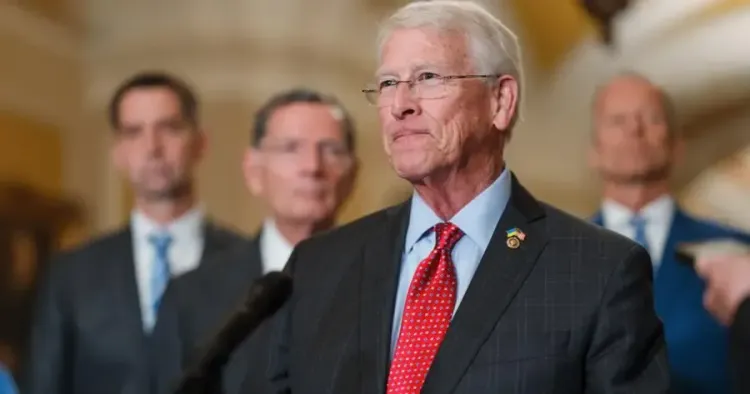
During a hearing, Senate Armed Services Committee chairman Roger Wicker noted that China's operations in the region extend well beyond mere trade. He remarked, “Across South America, the Chinese influence poses a threat to US interests by taking control of essential infrastructure, telecommunications networks, and ports.”
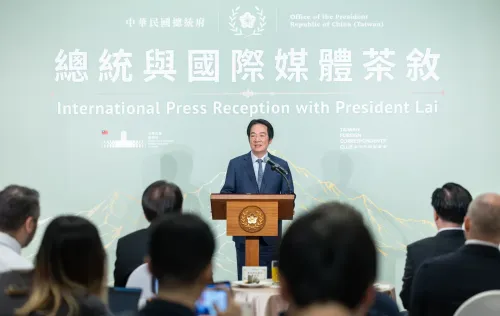
Wicker pointed out that Beijing is engaging in substantial purchases of strategic resources such as copper, oil, and lithium, thereby deepening economic dependency while restricting US access to crucial materials. He further indicated that China has utilized its influence to encourage nations to sever diplomatic ties with Taiwan.
“China has successfully convinced several countries in the region to shift diplomatic recognition from Taiwan to the People’s Republic of China,” Wicker stated, labeling this initiative as a direct affront to Taiwan’s global standing.
These comments were made as lawmakers evaluated the nomination of Lieutenant General Francis Donovan to command US Southern Command, responsible for overseeing military operations in South America and the Caribbean.
Wicker elaborated on China’s increasing presence in the region, which includes defense collaborations through arms sales, police training, and the expansion of space and cyber partnerships, “All to the detriment of our country,” he added.
Lawmakers also cautioned that China is not acting independently. Wicker noted that Russia and Iran are aligning with Beijing to counter US commercial, political, and security interests in the Western Hemisphere. The three nations exploit corruption and collaborate with authoritarian regimes to gain economic leverage, intelligence access, and political sway near US borders.
He highlighted that Russia has intensified security connections with regimes in Venezuela, Nicaragua, and Cuba by providing arms sales, military advisers, and enhancing intelligence operations in exchange for access to airfields and ports. “Moscow has taken advantage of local corruption to engage with the global financial system, evade US sanctions, and sustain its aggressive campaign against the Ukrainian people,” Wicker stated.
Meanwhile, Iran was criticized for employing Hezbollah-linked networks in parts of South America for fundraising, money laundering, and illicit trafficking. Wicker asserted that these operations finance Tehran’s terrorism efforts worldwide.
Ranking Member Jack Reed mentioned that China and Russia have gained ground in the region by investing in strategic locations, while the US military has historically diverted its resources elsewhere. He raised concerns about whether US Southern Command has adequate resources to address near-peer rivals instead of traditional missions such as counter-narcotics and disaster response.
If confirmed, Donovan assured senators he would scrutinize China’s and Russia’s activities throughout the region. He noted that Beijing has established itself in critical communication lines, including ports, airfields, and transportation infrastructure, enabling it to gain access and influence that could be utilized during a conflict.
“You can observe where China is embedding itself in crucial locations in South America,” Donovan remarked. “Ports, airfields, roads, tunnels, the Panama Canal — wherever they can assert influence.”
Several senators alerted that China’s increasing involvement in the region transcends economic concerns. Senator Jim Banks mentioned that Beijing’s presence supports broader strategic competition with the United States and complements China’s military posture in other regions.
Donovan stated that counteracting that influence necessitates a combination of military, economic, and diplomatic strategies. “We must discover ways to counter them more effectively,” he said, emphasizing that many responses would stem from economic and non-military measures, backed by credible security options.
The hearing highlighted bipartisan concern that China's campaign in South America is reshaping alliances, diminishing Taiwan's diplomatic standing, and creating enduring strategic challenges for the United States.
Point of View
It is crucial to recognize the complex geopolitical landscape unfolding in South America. The growing influence of China, alongside its partnerships with Russia and Iran, poses significant challenges for the United States and its allies. This situation demands a strategic response to safeguard both economic interests and democratic values in the region.
NationPress
22 Sept 2026
Frequently Asked Questions
What is the nature of China's influence in South America?
China is expanding its political, economic, and security presence in South America through infrastructure control, strategic investments, and diplomatic efforts.
How is Taiwan affected by China's actions in the region?
China's influence is leading to several countries severing diplomatic ties with Taiwan, thereby weakening its international standing.
What role do Russia and Iran play in this situation?
Russia and Iran are collaborating with China to counter US interests in South America, exploiting local corruption and fostering authoritarian regimes.
What measures can the US take to counter China's influence?
The US can employ a combination of military, economic, and diplomatic strategies to effectively counter China's expanding presence in South America.
Why is this situation significant for the US?
China's growing influence in South America poses long-term strategic challenges for the US, impacting its alliances and international standing.