What is the Government's Investment of Rs 213.9 Crore for Rural Local Bodies in Assam?
Synopsis
The government's recent allocation of Rs 213.9 crore aims to strengthen rural local bodies in Assam, with funds designated for various Panchayati Raj institutions across the state. This initiative not only enhances local governance but also addresses essential services in rural communities. Discover how this investment will impact rural development in Assam.
Key Takeaways
The government has allocated Rs 213.9 crore for rural local bodies in Assam.
This funding is part of the 15th Finance Commission's initiative.
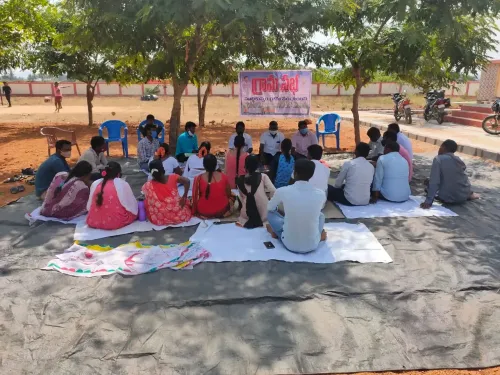
Grants will support 2,192 Gram Panchayats, 182 Block Panchayats, and 27 Zilla Parishads.
Untied grants can be utilized for various location-specific needs.
This investment aims to enhance local governance and essential services.
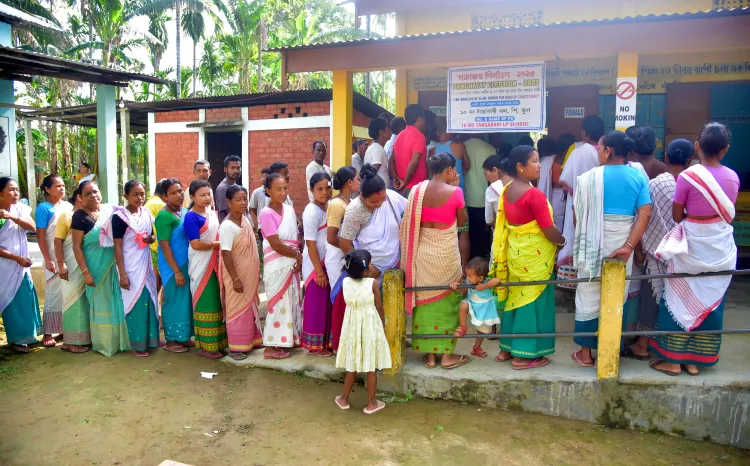
New Delhi, Jan 20 (NationPress) On Tuesday, the government announced the allocation of Rs 213.9 crore as untied grants under the 15th Finance Commission aimed at empowering rural local bodies in Assam. This funding marks the first disbursement for the fiscal year 2025–26, as stated by the Ministry of Panchayati Raj.
The funds will benefit all 2,192 eligible Gram Panchayats, 182 eligible Block Panchayats, and 27 eligible Zilla Parishads throughout the state, according to an official announcement.
In November of the previous year, the Centre had disbursed over Rs 223 crore to bolster rural local bodies in Assam, which was part of the grants allocated under the 15th Finance Commission for the same financial year 2025–26.
This latest release includes the second instalment of untied grants for the financial year 2024–25, totaling Rs 219.24 crore, designated for all qualified 27 District Panchayats, 182 Block Panchayats, and 2,192 Gram Panchayats in the state.
Moreover, an additional Rs 4.698 crore from the withheld portion of the first instalment for the financial year 2024–25 has been made available to an extra 26 Block Panchayats.
The Union government, through the Ministries of Panchayati Raj and Jal Shakti (Department of Drinking Water and Sanitation), advocates for the allocation of the 15th Finance Commission grants to states for Panchayati Raj Institutions, which are subsequently released by the Ministry of Finance. These grants are typically allocated and distributed in two instalments each financial year.
Untied grants are intended for use by Panchayati Raj institutions and rural local bodies to address location-specific needs across the 29 subjects identified in the Eleventh Schedule, with the exception of salaries and operational costs.
Tied grants are designated for essential services related to sanitation and the maintenance of ODF (open defecation-free) status, specifically encompassing the management and treatment of household waste, human excreta, and faecal sludge management.
Additionally, these grants may be allocated for drinking water supply, rainwater harvesting, and water recycling initiatives.
Point of View
The initiative aims to empower local bodies, enabling them to address pressing community needs effectively. This investment is crucial for enhancing the quality of life in rural areas and promoting sustainable development.
NationPress
27 Sept 2026
Frequently Asked Questions
What is the purpose of the Rs 213.9 crore allocation?
The allocation aims to strengthen rural local bodies in Assam by providing untied grants under the 15th Finance Commission.
Which Panchayati Raj institutions will benefit from this funding?
The funding will benefit 2,192 Gram Panchayats, 182 Block Panchayats, and 27 Zilla Parishads across Assam.
What can the untied grants be used for?
Untied grants can be utilized for location-specific needs, excluding salaries and establishment costs, as specified in the Eleventh Schedule.
When was the first instalment released?
The first instalment for the fiscal year 2025-26 was released recently, amounting to Rs 213.9 crore.
How does this funding compare to previous grants?
In November, the Centre released over Rs 223 crore for rural local bodies in Assam, indicating ongoing support for local governance.