Bangladesh e-waste crisis: China-linked electronics flood weak recycling systems
Synopsis
He warned that Bangladesh currently lacks adequate systems to safely manage the growing volume of discarded electronics, batteries and solar equipment.
Regulatory Gaps and Enforcement Failures
Despite the introduction of the Hazardous Waste (E-Waste) Management Rules in 2021, the report highlighted major coordination gaps among customs authorities, the Department of Environment, and trade regulators, allowing illegal imports to continue unchecked. Notably, this is not an isolated failure — similar enforcement gaps have been documented in other South and Southeast Asian nations that have become recipients of global e-waste flows rejected by stricter markets.
Health and Environmental Risks
Researchers warned that informal recycling operations — often involving unsafe dismantling practices and, according to the report, child labour — pose serious risks to soil, water and public health. Exposure to toxic substances such as lead and cadmium from improperly handled electronics poses long-term hazards to communities near informal recycling clusters. This comes amid growing international scrutiny of e-waste dumping in developing nations, where regulatory capacity frequently lags the pace of technology adoption.
With Bangladesh's electronics consumption set to grow further, researchers say urgent reforms in customs enforcement, inter-agency coordination and formal recycling infrastructure are needed to prevent the crisis from deepening.
Key Takeaways
14,985 tonnes of e-waste were illegally imported into Bangladesh between 2022 and 2024 , against exports of only 4,040 metric tonnes .
Bangladesh spent more than $2.47 billion on electrical appliance imports in FY 2024-25 , with nearly $1.8 billion sourced from China .
Researchers estimate imported e-waste value at $700,000 , though actual volumes may be higher due to underreporting.
Dr Shahriar Hossain of ESDO warned that Bangladesh lacks safe disposal systems for discarded electronics, batteries and solar equipment.
Informal recycling operations reportedly involve unsafe dismantling and child labour , risking exposure to lead and cadmium .
The Hazardous Waste (E-Waste) Management Rules 2021 remain poorly enforced due to gaps between customs, environmental and trade regulators.
Bangladesh is facing a deepening electronic waste crisis, driven by a surge in low-cost and refurbished electronics imports largely linked to China, according to a report by environmental news platform Mongabay. Weak regulatory enforcement and an expanding informal recycling sector are reportedly turning the country into a net dumping ground for global e-waste, environmental researchers warned.
Scale of the Crisis
A recent study cited in the Mongabay report found that nearly 14,985 tonnes of e-waste were illegally imported into Bangladesh between 2022 and 2024, while exports of e-waste components stood at only 4,040 metric tonnes during the same period — effectively making the country a net importer of electronic waste. Researchers estimated the value of imported e-waste materials at approximately $700,000, though they cautioned the actual volume could be significantly higher due to false declarations and underreporting.
China's Growing Share of Electronics Imports
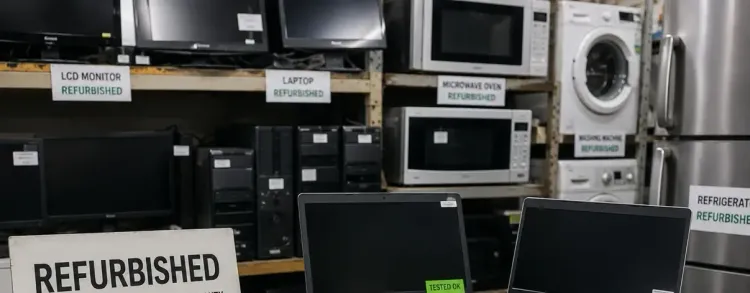
Bangladesh's dependence on Chinese electronics has sharply increased in recent years. Data from Bangladesh Bank (BB) showed that the country spent more than $2.47 billion on imports of electrical appliances and accessories in fiscal year 2024-25, including nearly $1.8 billion worth of products sourced from China. Environmental experts cited in the report said a substantial share of imported refurbished laptops, smartphones and spare parts entering local markets have short operational lifespans and quickly become waste.
Point of View
But without inter-agency coordination and customs capacity, they are largely performative. What makes this particularly consequential is the China-Bangladesh trade corridor: at $1.8 billion in electronics imports in a single fiscal year, the volume is too large for informal recycling infrastructure to absorb safely. The child labour dimension, flagged but likely underreported, adds a human rights layer that international trade partners — and Dhaka's own policymakers — cannot afford to ignore.
NationPress
12 May 2026
Frequently Asked Questions
What is driving Bangladesh's e-waste crisis?
Bangladesh's e-waste crisis is primarily driven by a surge in low-cost and refurbished electronics imports, largely linked to China, which overwhelm the country's weak waste management and regulatory systems. According to a Mongabay report, nearly 14,985 tonnes of e-waste were illegally imported between 2022 and 2024.
How much does Bangladesh import from China in electronics?
Bangladesh Bank data shows the country spent nearly $1.8 billion on electronics and electrical products from China in fiscal year 2024-25, out of a total electrical appliance import bill of over $2.47 billion.
What are the health risks of informal e-waste recycling in Bangladesh?
Informal recycling operations in Bangladesh involve unsafe dismantling practices and reportedly child labour, leading to toxic exposure from substances such as lead and cadmium. These pose serious long-term risks to soil, water quality and public health in communities near recycling clusters.
Are there laws governing e-waste management in Bangladesh?
Yes, Bangladesh introduced the Hazardous Waste (E-Waste) Management Rules in 2021. However, enforcement remains weak due to poor coordination among customs authorities, the Department of Environment, and trade regulators, allowing illegal imports to continue.
Why are refurbished electronics a particular concern?
Experts say many imported refurbished laptops, smartphones and spare parts have short operational lifespans and quickly become waste. According to Dr Shahriar Hossain of ESDO, these devices are often repaired and repackaged abroad before being sold in Bangladesh as low-cost alternatives.