Chinese missile parts in Houthi hands strain Beijing-Riyadh ties: Report
Synopsis
A new report alleges that Chinese-origin missile components — including rocket-motor parts and airframe hardware — have been traced to Houthi procurement networks, raising pointed questions about whether Yemen's battlefield is quietly serving as a testing ground for China's defence industry, all while Beijing presents itself as Riyadh's closest strategic partner.
Key Takeaways
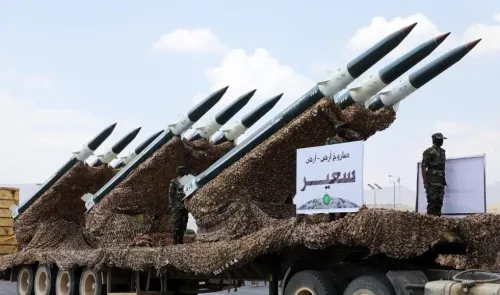
Specialised missile components including rocket-motor parts , stabilising fins , and airframe hardware have reportedly been traced to Chinese suppliers and consignments destined for Houthi-controlled territories .
The findings are attributed to investigations by UK-based Conflict Armament Research ; direct Chinese state involvement has not been publicly established.
The report argues Yemen's battlefield may function as a commercially valuable testing ground for Chinese military technology , feeding performance data back to China's defence-industrial complex.
Beijing has positioned itself as a key economic partner of Riyadh and brokered the landmark 2023 Saudi-Iran rapprochement , making the alleged arms flow a strategic contradiction.
International security experts warn Riyadh must treat the issue as a strategic warning, not merely a supply-chain irregularity.
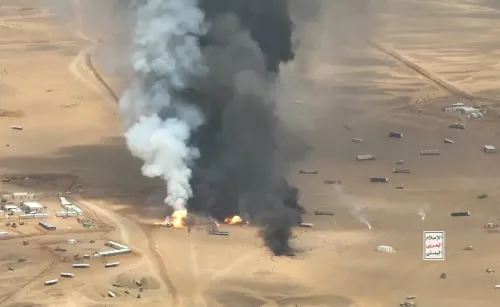
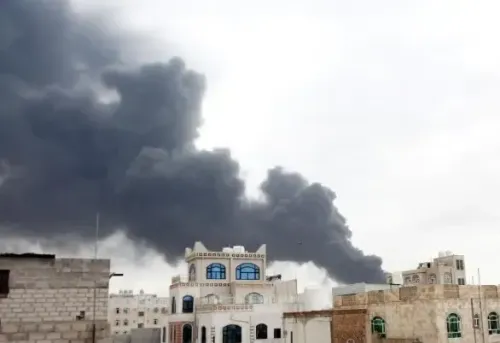
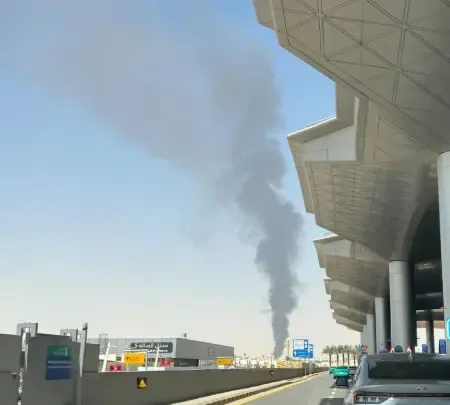
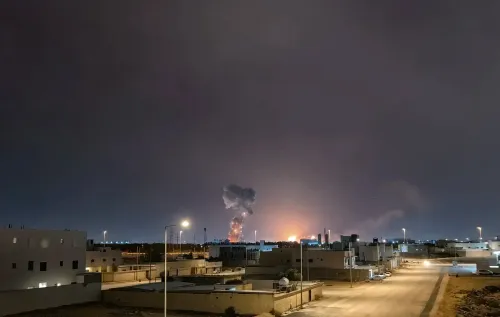
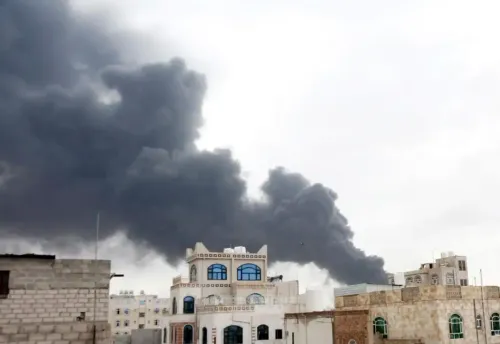
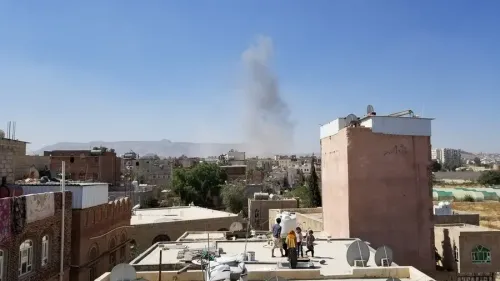
The Saudi Arabia-Houthi conflict has evolved well beyond a regional confrontation, emerging as a focal point for broader concerns over arms proliferation, geopolitical rivalries, and the deployment of advanced military technologies — with Chinese-origin missile components now at the centre of a deepening strategic question, according to a report published on 7 November 2026.
Chinese Components in the Conflict Zone
Citing investigations by UK-based Conflict Armament Research, the report indicated that specialised missile components — including rocket-motor parts, stabilising fins, and airframe hardware — had been traced to Chinese suppliers and consignments allegedly headed for Houthi-controlled territories in Yemen. While direct state involvement by Beijing has not been publicly established, the findings have, according to international security experts, fuelled speculation about how such components reached a sanctioned armed group operating in an active war zone.
What It Means for Beijing-Riyadh Relations
The report, citing Uganda-based media outlet PML Daily, noted that despite a striking improvement in Saudi Arabia-China relations in recent years — with Beijing positioning itself as a major economic partner of Riyadh, a key buyer of Saudi oil, and a diplomatic broker in the 2023 Saudi-Iran rapprochement — the reported flow of Chinese-made components to Iran-backed Houthis has introduced what it described as 'a deeply troubling question into an otherwise flourishing partnership.'
The report argued that Yemen's battlefield may be serving as an unintended but commercially valuable testing ground for Chinese military technology. 'If Chinese-designed components are being combat-tested through Houthi attacks on Saudi territory, energy infrastructure, and strategic installations, the benefits flow directly back to China's defence-industrial complex: real-world performance data, identification of technical weaknesses, and opportunities for further modification,' it stated, adding that such a feedback loop could make Chinese weaponry more attractive — and more expensive — on the international arms market.
A Strategic Warning for Riyadh
The report stressed that Riyadh must treat the issue as more than a supply-chain irregularity, framing it instead as a strategic warning. 'China cannot simultaneously present itself as Saudi Arabia's partner while allowing its industrial ecosystem to arm and refine the very forces targeting the Kingdom,' it said.
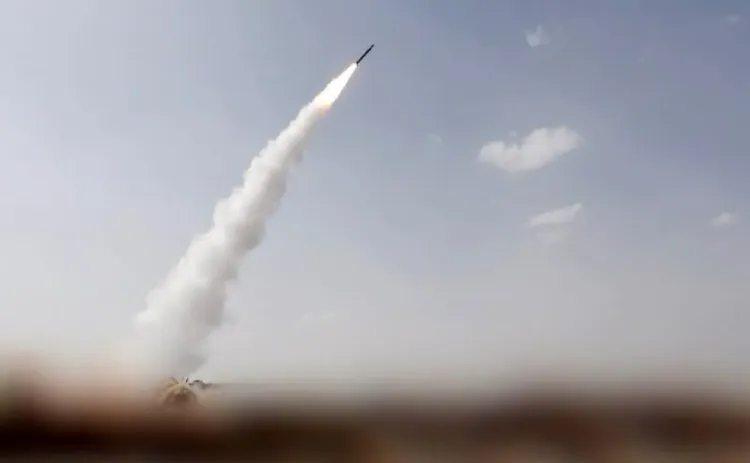
The conflict has already drawn attention as a testing ground for drones, precision-guided missiles, and electronic warfare systems. Intercepted shipments reportedly contained specialised parts that could support the production of advanced ballistic missile systems — findings that, while stopping short of proving state sponsorship, have significantly heightened concerns among security analysts.
The Broader Arms Proliferation Picture
The report underscored that questions surrounding Chinese-origin components — whether they reflect oversight failures, illicit procurement channels, or something more deliberate — have introduced a new and uncomfortable dimension to the Saudi-China relationship. This comes amid a wider international debate over the diversion of dual-use components and the difficulty of enforcing export controls in complex, multi-layered supply chains. Notably, the Houthi movement has faced successive rounds of international sanctions aimed at restricting its access to advanced weaponry, yet intercepted shipments suggest those barriers remain porous. All findings cited are attributed to the referenced report and have not been independently verified by NationPress.
Point of View
But arms-flow evidence of this kind, if further substantiated, could unravel that credibility faster than any summit can rebuild it. What mainstream coverage underweights is the battlefield-testing angle: for China's defence exporters, real-world performance data from a live conflict is invaluable, and the incentive structure of its loosely regulated supplier networks may be doing strategic work that official policy officially disavows.
NationPress
8 Nov 2026
Frequently Asked Questions
What Chinese missile components have reportedly been found in Houthi hands?
According to investigations cited by Conflict Armament Research, the components include rocket-motor parts, stabilising fins, and airframe hardware traced to Chinese suppliers and consignments allegedly headed for Houthi-controlled areas of Yemen. Direct Chinese state involvement has not been publicly established.
How does this affect Saudi Arabia-China relations?
The reported flow of Chinese-made components to the Iran-backed Houthis introduces serious questions into an otherwise strong partnership, in which Beijing has positioned itself as Riyadh's economic partner and diplomatic broker. The report argues China cannot present itself as Saudi Arabia's partner while its industrial ecosystem reportedly supplies forces attacking the Kingdom.
Has China's government been directly linked to these arms transfers?
No. The report explicitly states that direct state involvement by Beijing has not been publicly established. The concern centres on whether the transfers reflect oversight failures, illicit procurement channels, or something more systemic within China's loosely regulated supplier networks.
Why does the Yemen conflict matter as a military testing ground?
The report argues that if Chinese-designed components are combat-tested through Houthi attacks, real-world performance data flows back to China's defence-industrial complex. This could make Chinese weaponry more competitive and more expensive on the international arms market, creating a commercial incentive even without official state direction.
What is Conflict Armament Research?
Conflict Armament Research is a UK-based investigative organisation that tracks the diversion and use of weapons and military materiel in conflict zones worldwide. Its findings are frequently cited in international arms-control and policy discussions.