Did 833 Non-Compliant Grossly Polluting Industries along the Ganga Receive Closure Directions from 2019-2024?
Synopsis
A significant report reveals that 833 Grossly Polluting Industries along the Ganga received closure orders from 2019-2024. Explore the implications of these actions on environmental compliance and pollution control efforts across India.
Key Takeaways
833 Grossly Polluting Industries received closure orders from 2019 to 2024.
Most closures occurred in Uttarakhand .
3,637 operational GPIs were identified, with many non-compliant.
The CPCB monitors over 4,922 sites nationwide.
Polluted river stretches are classified into Priority Classes based on BOD levels.
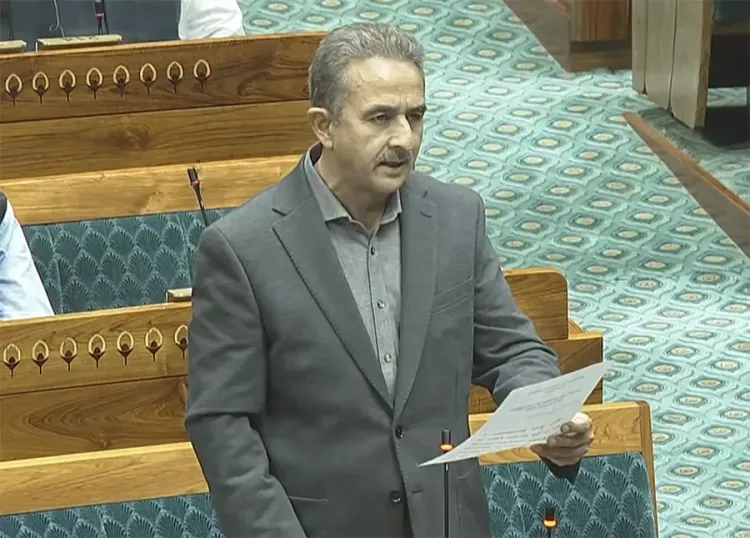
New Delhi, Feb 9 (NationPress) A staggering 833 non-compliant Grossly Polluting Industries (GPIs) situated along the banks of the Ganga and its tributaries have been ordered to cease operations by state pollution control agencies over the past five years, as reported in the Lok Sabha on Monday.
In 2024, 98 such industries received closure directives, with the majority—80—located in Uttarakhand. Other states affected include West Bengal (8), Bihar (7), and Uttar Pradesh (3).
Throughout 2023, 239 GPIs were issued closure orders in five states, while 178 were closed in 2022, 187 in 2020, and 131 in 2019, according to a written statement from Minister of State for Environment, Forest and Climate Change Kirti Vardhan Singh.
At the national level, there are approximately 4,498 GPIs, with 3,637 currently in operation. Among these operational facilities, 601 were noted for non-compliance with environmental regulations, prompting actions by State Pollution Control Boards/Pollution Control Committees (SPCBs/PCCs), which included 29 closure orders, 571 show cause notices, and 1 directive, all in accordance with environmental legislation.
Providing insights on industrial pollution nationwide, MoS Singh stated that data from SPCBs/PCCs indicates a total of 609,886 industries exist, of which 544,364 are operational. Of these, 23,981 were found non-compliant, leading to SPCBs/PCCs taking action such as 3,600 closure directives, 13,718 show cause notices, 229 legal cases initiated, and 6,434 directives.
Elaborating on the measures to combat river pollution, MoS Kirti Vardhan Singh mentioned that the Central Pollution Control Board (CPCB), along with SPCBs/PCCs, is currently monitoring water quality at 4,922 sites across the country, which includes 2,265 river locations.
He added that the CPCB has identified polluted river stretches (PRS) based on water quality metrics, particularly the Biochemical Oxygen Demand (BOD) parameter, categorizing stretches with BOD levels exceeding 3 mg/l as polluted.
The PRS are classified into Priority Classes I to V, with Priority I being the most contaminated (BOD over 30 mg/l) and Priority V being the least polluted (BOD between 3 – 6 mg/l), the Minister explained.
Point of View
It's crucial to recognize the ongoing challenges of industrial pollution in India. This report underscores the government's commitment to enforcing environmental standards and the necessity for continued vigilance in monitoring compliance to protect our natural resources.
NationPress
1 Oct 2026
Frequently Asked Questions
What are Grossly Polluting Industries (GPIs)?
Grossly Polluting Industries (GPIs) are industries that significantly exceed permissible pollution levels, leading to severe environmental degradation.
How many GPIs were closed in 2024?
In 2024, a total of 98 GPIs received closure directions.
Which states had the highest number of GPIs closed?
Uttarakhand had the highest number of closures, with 80 GPIs affected.
What actions are taken against non-compliant GPIs?
Actions include closure directions, show cause notices, and legal procedures as mandated by environmental laws.
How does the CPCB monitor water quality?
The CPCB monitors water quality at 4,922 locations across India, including 2,265 river sites.