Colombia opens Embassy in Jerusalem, restoring full ties with Israel
Synopsis
Colombia has opened its Embassy in Jerusalem, becoming the 10th country to do so, as new President Abelardo de la Espriella completes a full diplomatic reversal from the Petro era — reinstating the free trade agreement just a day earlier. The shift is one of the sharpest bilateral about-turns in recent Latin American foreign policy.
Key Takeaways
Colombia inaugurated its Embassy in Jerusalem on 14 October 2026 , making it the 10th foreign Embassy in the city.
New Colombian President Abelardo de la Espriella restored full diplomatic and economic ties with Israel , reversing former President Gustavo Petro 's severance.
Colombia and Israel formally reinstated their Free Trade Agreement on Tuesday, 13 October 2026 .
The original break came in May 2024 when Petro accused Israel of genocide in Gaza — an allegation Israel rejects.
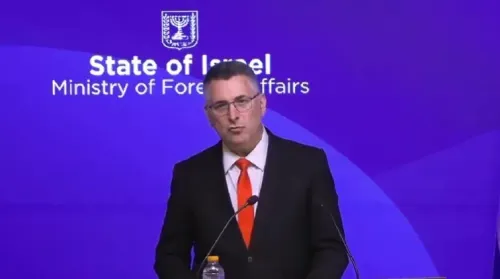
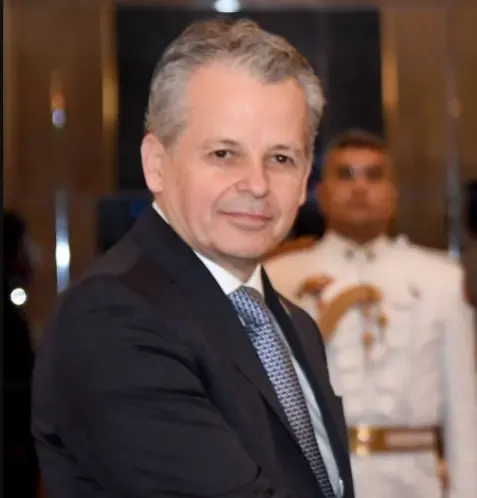
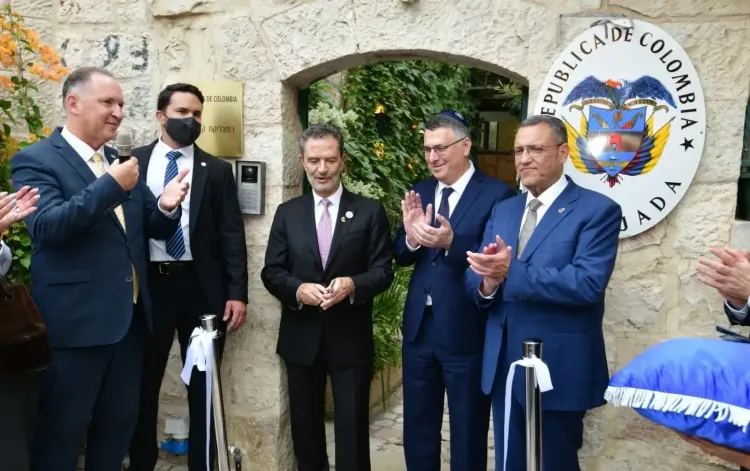
The ceremony was attended by Israeli Foreign Minister Gideon Sa'ar and Colombian FM Omar Bula Escobar .
Most countries still maintain embassies in Tel Aviv , as Jerusalem's status as a capital remains internationally disputed.
Colombia inaugurated its Embassy in Jerusalem on 14 October 2026, as new President Abelardo de la Espriella moved decisively to restore full diplomatic and economic relations with Israel, reversing his predecessor's rupture over Israel's military operations in Gaza. The ceremony marks a significant geopolitical realignment for a country that had, until recently, been among Israel's most vocal Latin American critics.
The Ceremony and Key Figures
The inauguration was attended by Israeli Foreign Minister Gideon Sa'ar and Colombian Foreign Minister Omar Bula Escobar. Colombia's Embassy, which had previously been based in Tel Aviv, becomes the 10th foreign Embassy in Jerusalem — a number that remains low given the disputed status of the city. On Tuesday, just ahead of the embassy opening, Colombia and Israel also formally reinstated their Free Trade Agreement, signalling that the diplomatic reset has broad economic dimensions.
How the Break Happened
The diplomatic rupture was set in motion in May 2024, when then-Colombian President Gustavo Petro announced the severance of ties with Israel, accusing its government of committing genocide in Gaza — an allegation Israel firmly rejects. The breach deepened in October 2025, when Israel intercepted a Gaza-bound flotilla and detained two Colombian nationals; Petro responded by expelling Israel's remaining diplomats and terminating the free trade agreement between the two countries. The relationship had effectively reached a complete breakdown by the time de la Espriella took office.
The Diplomatic Reset Under De la Espriella
Under the new Colombian president, the two countries reached a formal agreement on 15 July to restore full diplomatic and economic relations. The agreement took effect after de la Espriella assumed office in August. The embassy inauguration and FTA reinstatement represent the concrete culmination of that July accord. This comes amid a broader regional pattern, with Latin American countries recalibrating their Israel positions as domestic politics shift.
Jerusalem's Disputed Status and the Wider Context
The move places Colombia alongside a small group of countries that have relocated or opened embassies in Jerusalem, a city whose status remains one of the most contentious issues in international diplomacy. The United States recognised Jerusalem as the capital of Israel in December 2017 and relocated its embassy there in May 2018. Most countries, however, continue to keep their embassies in Tel Aviv or elsewhere, given that the Palestinians regard East Jerusalem as the capital of their future state. Israel maintains that Jerusalem is its 'undivided capital' and is under its full sovereignty. Sa'ar reiterated this position at the ceremony, stating: 'United Jerusalem is the capital of Israel and is under its full sovereignty. Any foreign activity in the area must be conducted through accepted and agreed channels and without violating Israel's sovereignty.'
Israel-UK Tensions Provide Wider Backdrop
The Colombian development arrives against a broader backdrop of diplomatic friction over Jerusalem. Last month, Israel ordered the closure of the British Consulate in East Jerusalem — located in the Sheikh Jarrah area and dealing primarily with Palestinian-related affairs in Gaza, the West Bank, and Jerusalem — as retaliation for sweeping UK sanctions on goods from Israeli settlements. Israeli Foreign Minister Sa'ar announced those retaliatory measures on 9 September, after UK Energy Security Secretary Ed Miliband described settler violence in the West Bank as 'ethnic cleansing'. The measures also included entry bans on several British MPs. The contrast between London's deteriorating ties with Jerusalem and Bogotá's reconciliation underscores how sharply national political transitions can reorient Israel policy.
With the embassy now open and the FTA reinstated, the next test will be whether the bilateral relationship translates into tangible trade and security cooperation — and whether the de la Espriella government can sustain the reset against domestic political opposition at home.
Point of View
Restoring both diplomatic ties and a free trade agreement. What mainstream coverage underplays is the broader regional signal: that Israel-Latin America relations are now strongly correlated with domestic political cycles rather than any durable foreign policy consensus. The Jerusalem move will also be watched closely for whether it invites Palestinian Authority pushback and how other Latin American governments — several of which followed Petro's lead in 2024 — respond to Colombia's reversal.
NationPress
14 Oct 2026
Frequently Asked Questions
Why did Colombia open its Embassy in Jerusalem?
Colombia opened its Embassy in Jerusalem on 14 October 2026 as part of a full diplomatic reset under new President Abelardo de la Espriella, who moved to restore ties with Israel after his predecessor Gustavo Petro severed them in 2024. The two countries had agreed to restore full diplomatic and economic relations on 15 July 2026.
Why had Colombia cut ties with Israel in the first place?
Then-Colombian President Gustavo Petro announced in May 2024 that Colombia would sever ties with Israel, accusing its government of committing genocide in Gaza — an allegation Israel rejects. The rift deepened further in October 2025 when Israel intercepted a Gaza-bound flotilla and detained two Colombian nationals, prompting Petro to expel Israel's remaining diplomats and terminate the free trade agreement.
How many countries have their embassies in Jerusalem?
Colombia's is now the 10th foreign Embassy in Jerusalem. Most countries continue to keep their embassies in Tel Aviv or elsewhere because Jerusalem's status as a capital remains internationally contested, with Palestinians viewing East Jerusalem as the capital of their future state.
What is the significance of reinstating the Colombia-Israel Free Trade Agreement?
Colombia and Israel formally reinstated their Free Trade Agreement on 13 October 2026, one day before the embassy inauguration. The reinstatement signals that the diplomatic reset carries concrete economic weight, reversing the trade severance that Petro had enacted in October 2025.
What is Israel's position on Jerusalem's status?
Israel maintains that Jerusalem is its 'undivided capital' under full Israeli sovereignty, a position reiterated by Foreign Minister Gideon Sa'ar at the Colombian Embassy inauguration. The United States recognised Jerusalem as Israel's capital in December 2017 and relocated its embassy there in May 2018, but the international community remains divided on the issue.