Rajasthan Panchayat polls: Congress claims decisive win, Dotasra says BJP 'misrule' rejected
Synopsis
Rajasthan's Panchayati Raj election results have handed the Congress a significant political moment — RPCC chief Govind Singh Dotasra says voters have delivered a verdict against three years of BJP governance, citing inflation, hospital deaths, crumbling school buildings, and corruption inside the Chief Minister's Office. The scale of the win, against the typical incumbency advantage in local polls, makes this a warning signal for the BJP ahead of Rajasthan's next Assembly cycle.
Key Takeaways
RPCC President Govind Singh Dotasra declared a 'resounding victory' for Congress in the Rajasthan Panchayati Raj institution elections on 20 November 2026 .
Dotasra alleged that BJP had manipulated delimitation and misused administrative machinery in earlier urban local body polls despite equal vote share with Congress.
He cited public grievances including rising inflation, hospital deaths of women after childbirth, collapse of school buildings, and farmers' fertiliser shortage.
Corruption allegations were renewed, including references to 64 villas and the Chief Minister's alleged signature on related approvals.
The result is seen as a grassroots anti-incumbency signal against the BJP government ahead of the next Rajasthan Assembly election cycle.
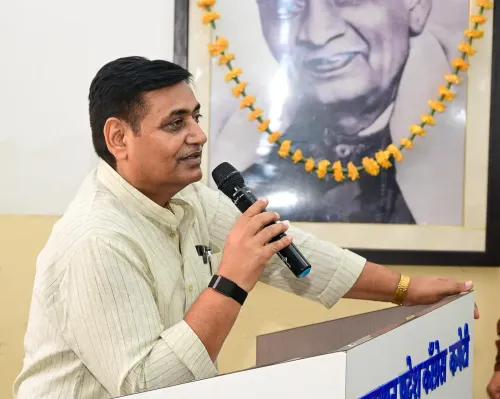
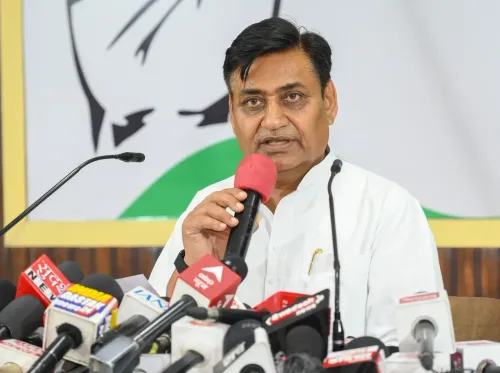
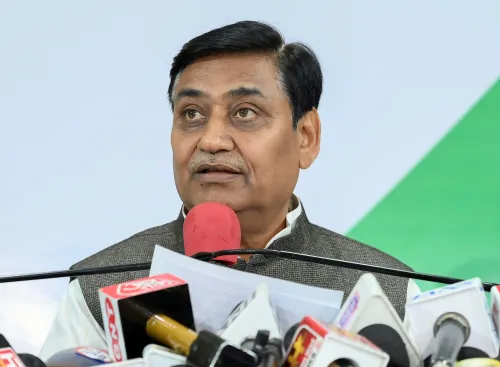
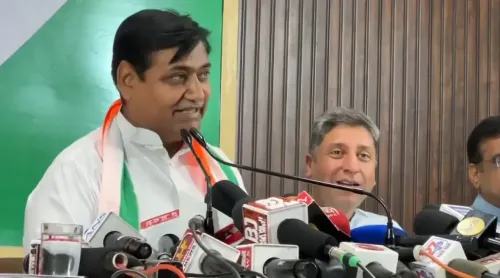
Rajasthan Pradesh Congress Committee (RPCC) President Govind Singh Dotasra on 20 November 2026 declared that the results of the Rajasthan Panchayati Raj institution elections amounted to a resounding verdict against the ruling Bharatiya Janata Party (BJP), saying the people of the state had decisively rejected what he called three years of misgovernance. Dotasra credited the outcome to the hard work of Congress workers across Rajasthan's grassroots.
Congress Claims Unprecedented Mandate
Dotasra described the Panchayati Raj results as 'unprecedented', arguing they reflected deep public dissatisfaction with the BJP government's tenure. He noted that panchayat and urban local body elections conventionally favour the party in power — making this outcome, he said, all the more significant for the Congress.
'The mandate belongs to the people of Rajasthan,' Dotasra said, adding that voters had come to the conclusion that supporting the BJP in the Assembly elections had been a mistake and had now used the panchayat polls to send a corrective signal.
Allegations Over Previous Urban Body Polls
Dotasra also revisited the earlier urban local body elections, alleging that despite the BJP and the Congress securing an equal share of votes, the BJP had manipulated the delimitation process and misused administrative and police machinery to claim a disproportionate number of chairperson positions. He alleged that senior BJP leaders — including the Prime Minister and the Union Home Minister — had subsequently presented those results as a sweeping BJP victory, a characterisation he said the new panchayat results had now 'responded to', including what he described as claims made through the Prime Minister's social media posts.
Public Grievances Cited as Root Cause
The Congress state president alleged that people across Rajasthan had been struggling with rising inflation, inadequate public services, and administrative failures throughout the BJP government's roughly three-year tenure. He cited specific concerns: deaths of women following childbirth in government hospitals, schoolchildren losing their lives due to the collapse of dilapidated school buildings, and farmers encountering difficulties in obtaining fertilisers and seeds.
Dotasra further alleged that young people seeking employment had faced police action when they protested, and that government announcements had failed to deliver tangible outcomes on the ground. He alleged that the Chief Minister had spent more time criticising the Congress and raising issues such as paper leaks and corruption allegations than addressing public grievances.
Corruption Allegations Renewed
Raising questions over governance, Dotasra alleged that irregularities had continued even within the Chief Minister's Office despite the BJP government's stated policy of zero tolerance towards corruption. He specifically cited allegations concerning 64 villas and what he described as the Chief Minister's signature on related approvals, demanding to know why no clarification had been issued despite repeated questions from the Congress. The BJP had not issued an immediate response to these specific allegations at the time of reporting.
What This Means Going Forward
The Panchayati Raj results are likely to sharpen the Congress's campaign messaging ahead of the next Rajasthan Assembly election cycle. For the BJP, the outcome raises questions about anti-incumbency at the grassroots level — a tier of governance that often signals shifts in voter sentiment well before state-level contests. How the ruling party responds to the defeat, and whether it triggers any course correction in governance priorities, will be closely watched in the weeks ahead.
Point of View
The anti-incumbency reading is harder to dismiss. The corruption specifics, particularly the 64-villas allegation and the CM's Office irregularities claim, have yet to be tested publicly, and the BJP's silence on them so far is itself a news peg the coverage has largely skipped over.
NationPress
20 Nov 2026
Frequently Asked Questions
What were the results of the Rajasthan Panchayati Raj elections?
The Congress party claimed a decisive victory in the Rajasthan Panchayati Raj institution elections, with RPCC President Govind Singh Dotasra describing the outcome as 'unprecedented' and a rejection of the BJP's three-year rule. Specific seat tallies had not been detailed in official statements at the time of reporting.
Who is Govind Singh Dotasra and what did he say?
Govind Singh Dotasra is the President of the Rajasthan Pradesh Congress Committee (RPCC). He stated that the panchayat election results reflected public anger over inflation, governance failures, and alleged corruption under the BJP state government, and that voters had corrected what he called a mistake made during the Assembly elections.
What allegations did Congress make against the Rajasthan BJP government?
Dotasra alleged misuse of administrative and police machinery in urban local body elections, rising inflation, deaths of women in government hospitals after childbirth, collapse of school buildings, farmers' difficulties obtaining fertilisers and seeds, police action against job-seeking youth, and irregularities within the Chief Minister's Office including allegations linked to 64 villas.
Why do Panchayati Raj results matter politically?
Local body and panchayat elections are considered a bellwether for voter sentiment at the grassroots level and often foreshadow trends in state Assembly elections. Dotasra specifically noted that such elections conventionally favour the ruling party, making the Congress win a stronger indicator of anti-incumbency against the BJP.
Has the BJP responded to these allegations?
The BJP had not issued an immediate public response to Dotasra's specific allegations — including those regarding the 64 villas and Chief Minister's Office irregularities — at the time of reporting.