Why is Congress Criticizing the India-US Trade Pact?
Synopsis
The Congress party has raised alarm over the India-US trade agreement, labeling it as one-sided and detrimental to farmers. Senior leaders argue for a balanced deal and transparency in negotiations, highlighting fears of adverse impacts on agriculture. Explore the underlying concerns and implications of this contentious trade understanding.
Key Takeaways
The Congress party views the India-US trade pact as detrimental to farmers.
There are concerns about immediate import liberalization versus future export benefits.
Disparities in tariff structures between the US and India have been highlighted.
Opposition leaders are calling for greater transparency in trade negotiations.
Farmers across several states are anxious about the potential impact on their livelihoods.
New Delhi, Feb 22 (NationPress) On Sunday, the Congress party strongly criticized the central government's proposed trade agreement with the United States, with senior members asserting that the deal is one-sided, harmful to farmers, and represents a capitulation to external pressures rather than a fair arrangement.
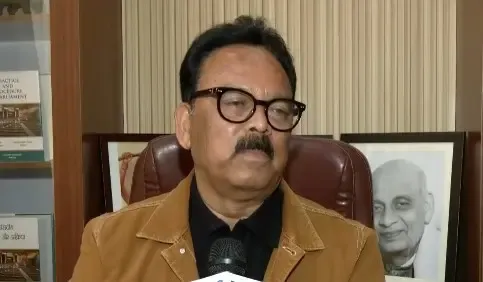
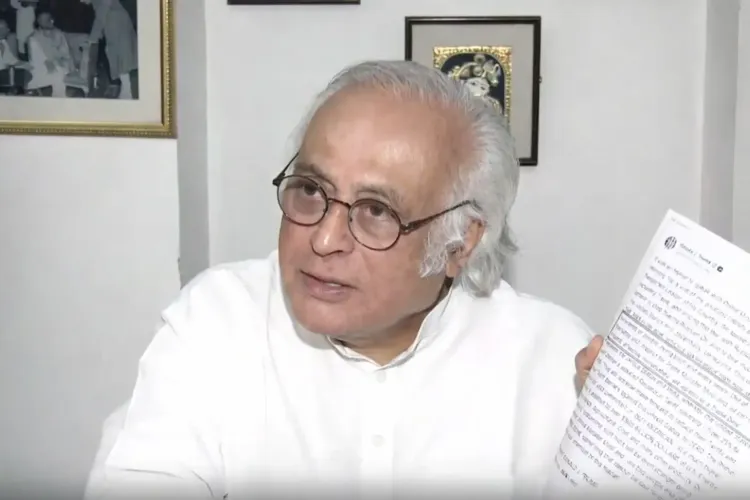
In an interview with IANS, Congress General Secretary and Rajya Sabha member Jairam Ramesh expressed concerns that the agreement would trigger an immediate liberalization of imports while providing uncertain future benefits for exports. He questioned, "If imports happen now and exports are delayed for 20 years, what is the benefit?" He emphasized that a genuine agreement should involve a reciprocal exchange.
Ramesh also pointed out the disparity in tariff structures, noting how the United States frequently adjusts its duties while India appears to be making substantial concessions. He highlighted the widespread concern among farmers in various states—including Jammu and Kashmir, Bihar, Himachal Pradesh, Rajasthan, and Maharashtra—who fear that the deal could negatively affect agriculture and rural economies.
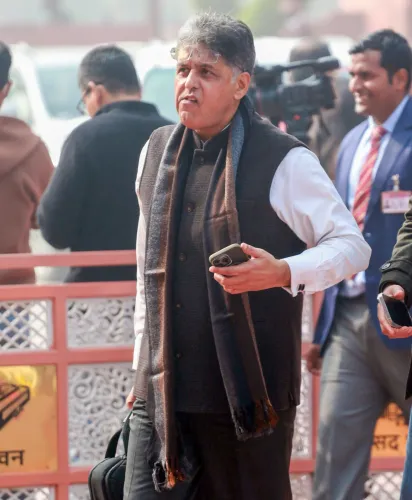
Similarly, Congress MP and former Union Minister Manish Tewari raised alarms over reports that the US might impose a 10–15% tariff on Indian products, even as India has eliminated duties on about 70 items. He stated, "If we are slashing tariffs to zero while the US continues to levy duties, the government must explain the nature of this trade agreement," calling for greater transparency in the discussions.
Ramesh asserted that opposition leaders, including Rahul Gandhi and Mallikarjun Kharge, were voicing their concerns based on factual information rather than mere political rhetoric. "When you concede more and gain very little, that cannot be termed an agreement," he stated.
He also criticized the government for its management of parliamentary proceedings, insisting that ensuring smooth operations is primarily the government's duty. He claimed that disruptions were tolerated while unfounded and offensive statements against opposition leaders and former Prime Ministers went unchallenged.
Point of View
The Congress party's concerns reflect a significant apprehension regarding agricultural policies and trade agreements. The potential implications for farmers and rural livelihoods merit careful consideration, as balanced negotiations are crucial for national interests. This approach aligns with our commitment to advocate for the people and uphold their rights.
NationPress
29 Sept 2026
Frequently Asked Questions
What are the main concerns regarding the India-US trade pact?
The primary concerns include its perceived one-sided nature, potential negative impacts on farmers, and unclear benefits regarding exports.
Who are the prominent leaders criticizing the trade agreement?
Key figures include Congress General Secretary Jairam Ramesh and former Union Minister Manish Tewari.
What specific tariffs are being discussed in relation to this agreement?
Reports indicate that the US may impose a 10–15% tariff on Indian goods while India has reduced duties on approximately 70 items.