Is the India-US Trade Deal Just Empty Rhetoric?
Synopsis
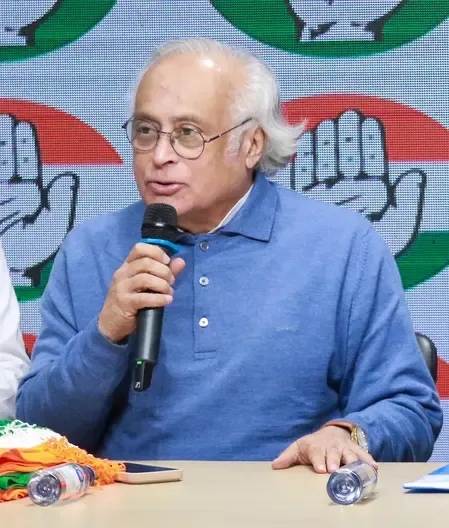
Senior Congress leader Jairam Ramesh has sharply criticized the India-US trade deal, labeling the recent statement by Union Minister Piyush Goyal as empty rhetoric. He warns of potential severe repercussions for Indian farmers as the real implications of the agreement become clear.
Key Takeaways
Jairam Ramesh criticizes the India-US trade deal.
The statement by Piyush Goyal is labeled a “non-statement” .
Concerns are raised about potential harm to Indian farmers .
Opposition demands transparency and protection of agricultural interests.
The government insists the deal is beneficial for farmers.
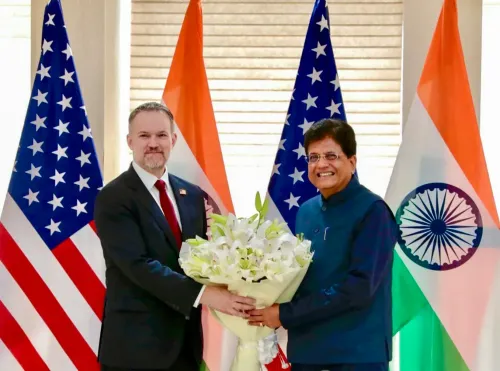
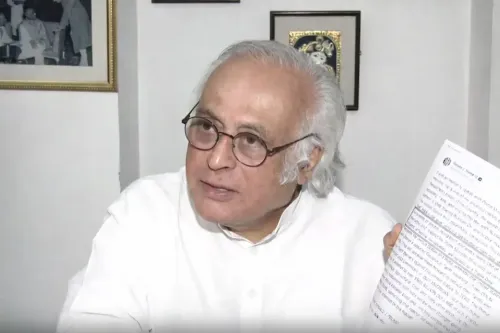
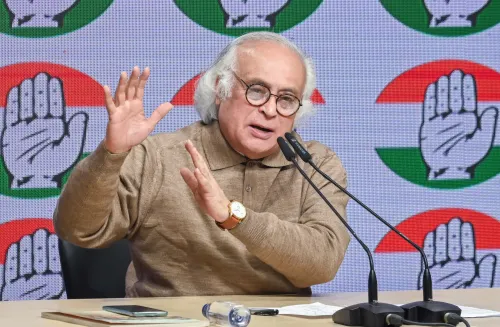
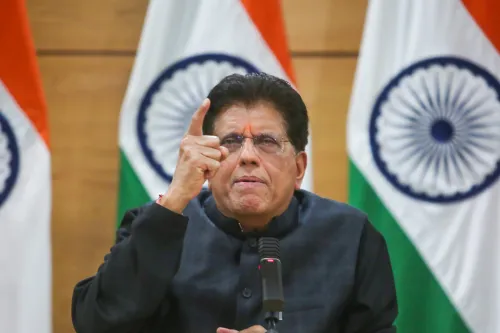
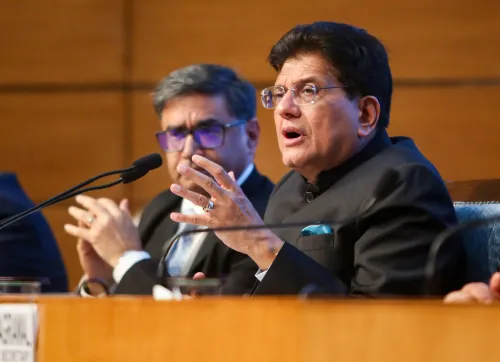
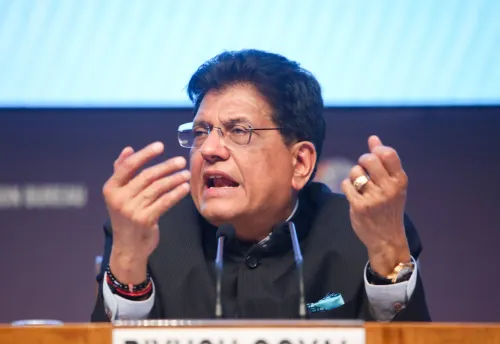
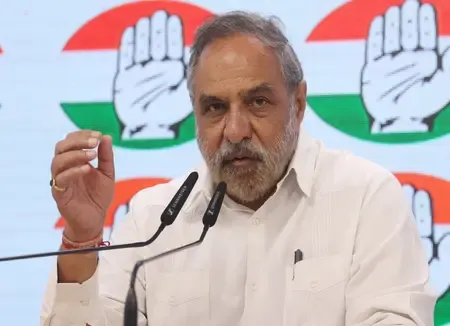
New Delhi, Feb 4 (NationPress) Senior Congress figure Jairam Ramesh sharply criticized the India-US trade agreement on Wednesday, describing the statement made by Union Minister of Commerce and Industry Piyush Goyal in both Houses of Parliament as a complete “non-statement” devoid of any meaningful specifics.
Ramesh highlighted that discussions on essential elements of the deal are still underway, making Goyal's assertions “contradictory” to the official messages from the United States. He took to his X handle to underscore that the minister's statements directly conflict with those released on social media by US President Donald Trump, the US Secretary of Agriculture, and the US Trade Representative.
According to Ramesh, the announcement made on Monday was coerced by the Prime Minister for mere “headline-grabbing” and acted as urgent, short-term damage control. He claimed that the real agenda behind this premature announcement was more about political optics than any genuine progress in bilateral trade relationships.
The Congress leader voiced serious concerns that when the final terms are revealed, the agreement will showcase catastrophic repercussions for Indian farmers. He cautioned that the “real damage” to the agricultural domain, such as the potential inundation of local markets with subsidized American goods and the weakening of protections for sensitive sectors like dairy, will soon become “painfully evident.”
Ramesh's comments emerged amidst growing criticism from the opposition in Parliament, where members have accused the government of circumventing legislative oversight by announcing the deal via social media interactions between the Prime Minister and President Trump instead of formally presenting it in the House.
The opposition is demanding complete transparency regarding the terms, a thorough debate, and guarantees that fundamental Indian interests, especially in agriculture and dairy, will be upheld.
The controversy escalated following Trump's late-night tweet commending the Prime Minister and announcing tariff reductions, coupled with reciprocal commitments from India.
While the government insists that farmers' interests are entirely protected and that the deal represents a significant breakthrough, opposition factions, including Congress, interpret it as a surrender of sovereignty motivated by political necessity rather than sound economic strategy.
Point of View
It is imperative to focus on the concerns raised by the opposition regarding the India-US trade deal. The apprehensions surrounding the agricultural sector's future and the call for transparency in negotiations highlight the need for a balanced approach that safeguards national interests while pursuing international partnerships.
NationPress
20 Sept 2026
Frequently Asked Questions
What is the criticism of the India-US trade deal?
Senior Congress leader Jairam Ramesh has criticized the deal as lacking substantive details and warns of potential harm to Indian farmers.
Who made the controversial statement about the trade deal?
The statement was made by Union Minister of Commerce and Industry Piyush Goyal in both Houses of Parliament.
What are the concerns regarding Indian farmers?
There are fears that the deal could lead to an influx of subsidized American goods, harming local farmers and undermining protections for sensitive sectors.
What has the opposition demanded?
The opposition is calling for full disclosure of the deal's terms and assurances that Indian agricultural interests will be protected.
How has the government responded?
The government claims that farmers' interests are fully safeguarded and that the deal marks a significant breakthrough.