CPEC 2.0: China's surveillance tech push risks Pakistan's digital sovereignty

Synopsis
CPEC's second phase is no longer about highways and power plants — it's about who controls Pakistan's digital nervous system. A new Asia Times report argues that Beijing's subsidised AI and surveillance exports are creating a structural lock-in that could compromise Islamabad's sovereignty and price its IT sector out of the Western markets it depends on for revenue.
Key Takeaways
CPEC 2.0 prioritises AI , cloud computing and surveillance technologies over the physical infrastructure that defined the corridor's first decade.
Chinese-supplied 'Safe City' networks use AI facial recognition , licence plate readers and predictive policing algorithms across Pakistani cities.
The report warns that Beijing gains access to real-world operational data , raising questions over who controls Pakistan's digital infrastructure in a crisis.
Pakistan's IT sector , which depends heavily on US and Western markets , could face exclusion if it becomes deeply integrated with Chinese digital architectures.
Chinese firms offer subsidised, fast-to-deploy systems — but the report cautions this creates long-term technological dependence that will be costly to reverse.
The China-Pakistan Economic Corridor (CPEC) has entered a transformative second phase — branded 'CPEC 2.0' — that shifts the partnership's centre of gravity from roads, ports and power plants to artificial intelligence, cloud computing and surveillance technologies, according to a new report by Asia Times. The analysis warns that this digital pivot could compromise Pakistan's long-term sovereignty and lock its technology sector out of lucrative Western markets.
From Concrete to Code: What CPEC 2.0 Looks Like
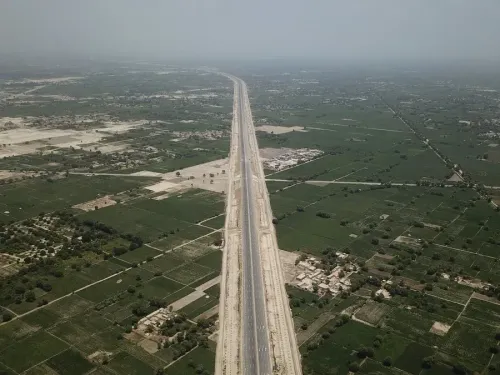
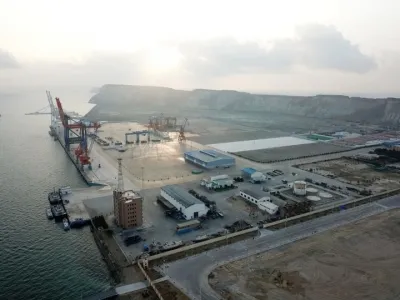
Where the first decade of CPEC was defined by large-scale infrastructure — motorways, the Gwadar port, and coal-fired power plants — the new phase centres on exporting Beijing's digital governance model. Chinese firms are supplying hardware, software and cloud services at subsidised rates, making them faster and cheaper to deploy than Western alternatives.
At the heart of this shift are 'Safe City' surveillance networks driven by AI-powered facial recognition, automated licence plate readers and predictive policing algorithms. These systems are publicly framed by both governments as urban modernisation tools to address crime and persistent militant threats across Pakistani cities.
The Sovereignty Risk Hidden in the Architecture
The report argues that the same infrastructure serving as a law-enforcement tool for Islamabad simultaneously functions as a real-world operational data source for Beijing. The arrangement raises pointed questions about who ultimately controls the data pipelines underpinning Pakistan's urban security apparatus.
'If data is the primary commodity of the modern economy, Pakistan is rapidly surrendering the drilling rights of its domestic digital landscape to a singular external power,' the report stated. It further cautioned that such deep technological dependence could, in a geopolitical crisis, determine 'who holds the encryption keys to the state's digital nervous system.'
Notably, once integrated, switching away from Chinese platforms would be both technically complex and financially prohibitive — a structural lock-in that future Pakistani governments may find difficult to reverse.
Why Pakistan Chose This Path
The report attributes Pakistan's turn toward Chinese technological solutions to two converging pressures: constrained public finances and an urgent political need to rapidly modernise urban governance and internal security. With limited fiscal space and Chinese firms offering subsidised, readily deployable systems, the short-term calculus strongly favoured Beijing's offerings over costlier Western alternatives.
The Collateral Damage: Pakistan's IT Export Sector
Critics argue the arrangement carries a steep hidden cost for Pakistan's nascent but growing IT and software export industry. The sector relies overwhelmingly on Western markets — particularly the United States — for revenue. As Washington tightens data-security regulations and supply-chain scrutiny, Pakistani firms deeply integrated with Chinese digital architectures could face penalties or outright exclusion from those markets.
'Islamabad risks locking out its most dynamic economic sector from lucrative Western tech ecosystems in exchange for subsidised sovereign tech infrastructure from Beijing,' the report warned. According to the analysis, Pakistan's IT sector would itself be a casualty of the CPEC 2.0 digital cooperation model.
What Comes Next
The trajectory of CPEC 2.0 will be closely watched as Pakistan navigates simultaneous economic dependence on China and revenue dependence on Western technology markets — two strategic vectors that are increasingly pulling in opposite directions. Whether Islamabad can negotiate a middle path, or finds itself structurally committed to one bloc's digital ecosystem, may prove one of the defining policy questions of the decade.
Point of View
Once embedded in a state's urban security fabric, is far harder to dislodge. What the report underscores, but mainstream coverage tends to underplay, is the internal contradiction Pakistan faces: its most dynamic economic sector earns dollars from the West, while its government is building its security apparatus on Chinese platforms that Western regulators increasingly treat as adversarial. Islamabad has not publicly articulated how it intends to manage that contradiction, and the silence itself is telling.
NationPress
26 Oct 2026
Frequently Asked Questions
What is CPEC 2.0 and how does it differ from the original CPEC?
CPEC 2.0 refers to the second phase of the China-Pakistan Economic Corridor, which shifts focus from large-scale physical infrastructure — roads, ports, power plants — to digital technologies including AI, cloud computing and surveillance systems. Unlike the first phase, which was primarily about connectivity, CPEC 2.0 is about reshaping how Pakistan governs its cities and manages internal security using Chinese-supplied digital tools.
What are the 'Safe City' surveillance networks being deployed in Pakistan?
Safe City networks are Chinese-supplied urban surveillance systems powered by AI facial recognition, automated licence plate readers and predictive policing algorithms. They are publicly presented as tools to combat urban crime and militant threats, but critics argue they also serve as mechanisms for state control and provide Beijing with valuable real-world operational data.
How could CPEC 2.0 compromise Pakistan's sovereignty?
According to the Asia Times report, deep integration with Chinese digital infrastructure could mean that in a geopolitical crisis, Beijing effectively controls 'the encryption keys to Pakistan's digital nervous system.' The subsidised pricing of Chinese hardware and software creates a structural lock-in, making future diversification away from Chinese platforms both technically difficult and financially expensive.
Why is Pakistan's IT export sector at risk from CPEC 2.0?
Pakistan's IT and software export sector earns the bulk of its revenue from the United States and other Western markets. As those markets tighten data-security regulations and supply-chain scrutiny, Pakistani firms deeply integrated with Chinese digital architectures risk being penalised or excluded. The report warns Islamabad could be trading access to Western tech ecosystems for subsidised infrastructure from Beijing.
Why did Pakistan embrace Chinese surveillance and AI technology?
Pakistan turned to Chinese technological solutions primarily because of constrained public finances and an urgent need to modernise urban governance and internal security quickly. Chinese firms offer subsidised rates and faster deployment timelines compared to Western alternatives, making them an attractive short-term option despite the long-term dependency risks the report highlights.