Can China Shift Away from Destructive Policies Towards Peaceful Solutions?
Synopsis
As the Central Tibetan Administration marks the anniversary of the Dalai Lama's Nobel Peace Prize, they express hope for China's shift towards peace. Can compassion prevail in the Sino-Tibetan conflict?
Key Takeaways
CTA hopes for a peaceful resolution to the Sino-Tibetan conflict.
International Human Rights Day highlights the plight of oppressed individuals worldwide.
The Dalai Lama's teachings on compassion remain pivotal.
Chinese policies towards Tibet have been criticized for their destructiveness.
The Tibetan community in exile continues to strive for autonomy.
Dharamsala, Dec 10 (NationPress) The Central Tibetan Administration (CTA) expressed optimism on Wednesday that China might abandon its destructive policies and embrace a peaceful resolution of the Sino-Tibetan conflict through the mutually beneficial 'middle-way' approach.
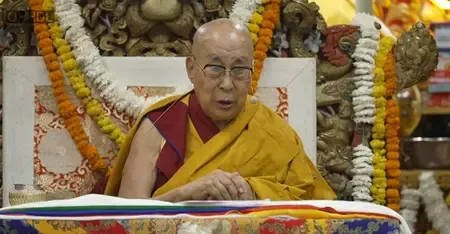
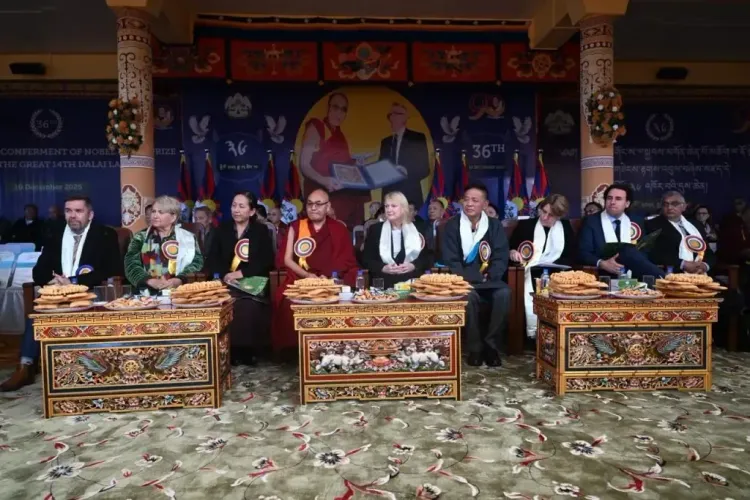
In a statement commemorating the 36th anniversary of the Nobel Peace Prize being awarded to the Dalai Lama, the revered leader of the Tibetan people, the Tibetan government-in-exile stated, “We hope that the government of the People’s Republic of China, motivated as it is by hatred, greed, and ignorance in its attempts to erase Tibetan national identity and harm Tibet’s environment, will soon find the companionship of compassion, kindness, and wisdom.”
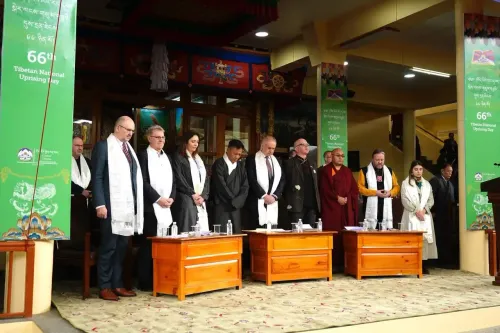
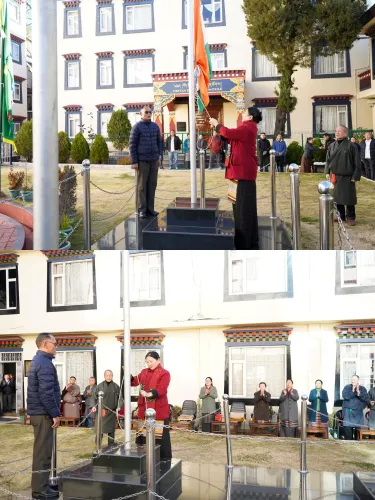
This day is also marked as International Human Rights Day by the Tibetan government-in-exile, which is observing this year as the “Year of Compassion” in honor of the 90th birthday of the 14th Dalai Lama.
“Today also signifies International Human Rights Day. We stand in solidarity with those globally who are deprived of their basic human rights and extend our hope that those who violate these rights will develop a sense of morality,” the CTA remarked.
“Through the understanding of compassion, may they come to respect every human life, listen to every human voice, and honor every human aspiration,” it added.
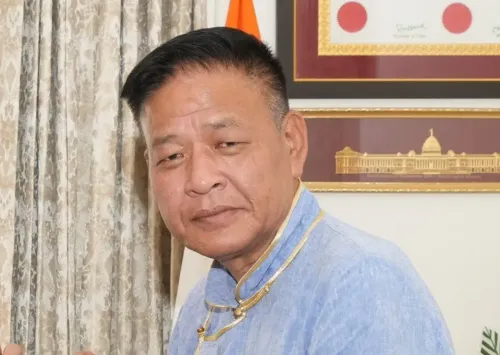
Penpa Tsering, the leader of the government-in-exile, extended his warmest greetings to distinguished guests, friends, and supporters of Tibet around the globe, especially to Tibetans both within and outside the region. He noted that in a world “shrouded in the darkness of conflict, hatred, and fear, His Holiness the Dalai Lama’s philosophy of peace, founded on compassion, wisdom, and a profound sense of universal responsibility, has illuminated a credible path toward true and lasting peace.”
“It is clear that the primary aim of commemorating this historic occasion is to dedicate ourselves to the study and application of these timeless teachings,” he stated.
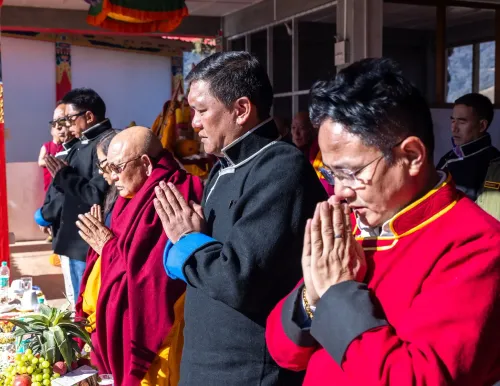
The CTA prayed for the long life of the Dalai Lama and for the flourishing of his enlightened efforts towards world peace, human solidarity, and the resolution of Tibet’s rightful cause.
“We also pray that His Holiness’s teachings on compassion serve as the spiritual foundation and essence of practice for all humanity,” it concluded.
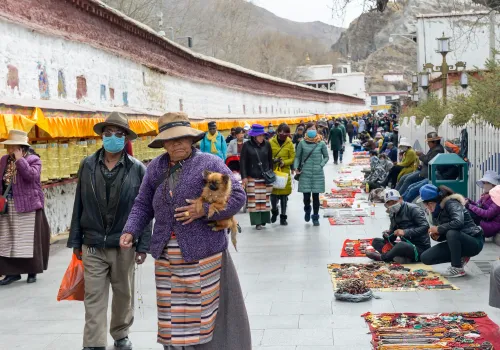
In 1959, Chinese occupying forces suppressed the Tibetan national uprising in Lhasa, forcing the 14th Dalai Lama and over 80,000 Tibetans into exile in India and neighboring countries. After a harrowing three-week journey, the Dalai Lama resided in Mussoorie, Uttarakhand, for about a year. The Tibetan government-in-exile is currently based in Dharamsala, where a community of Tibetans lives in exile alongside the Dalai Lama, striving to secure full autonomy in their homeland, Tibet.
Point of View
Ensuring that voices from all sides are heard.
NationPress
30 Sept 2026
Frequently Asked Questions
What is the Central Tibetan Administration?
The Central Tibetan Administration (CTA) is the government-in-exile for Tibetans, providing political and administrative leadership for the Tibetan community living outside Tibet.
What is the 'middle-way' policy?
The 'middle-way' policy seeks genuine autonomy for Tibet within the framework of the People's Republic of China, promoting dialogue and peaceful solutions.
Why is December 10 significant?
December 10 is observed as International Human Rights Day and marks the anniversary of the Dalai Lama receiving the Nobel Peace Prize.
What are the main challenges facing Tibet?
Tibet faces challenges such as cultural suppression, environmental degradation, and the ongoing struggle for political autonomy.
Who is Penpa Tsering?
Penpa Tsering is the leader of the Central Tibetan Administration, representing the interests of the Tibetan people in their quest for autonomy and human rights.