How is Delhi CM Addressing Repeated Road Excavation?
Synopsis
Delhi CM Rekha Gupta is taking decisive steps to curb the issue of repeated road excavations. By mandating thorough assessments before construction and emphasizing unified coordination among agencies, the initiative aims to enhance infrastructure management in the capital. Discover how these measures will reshape the urban landscape and improve air quality in Delhi.
Key Takeaways
Unified framework for better coordination among agencies.
Emergency excavation policy to minimize disruptions.
Mandatory utility mapping before construction.
Focus on waste management and green practices.
Increased budgetary support for development projects.
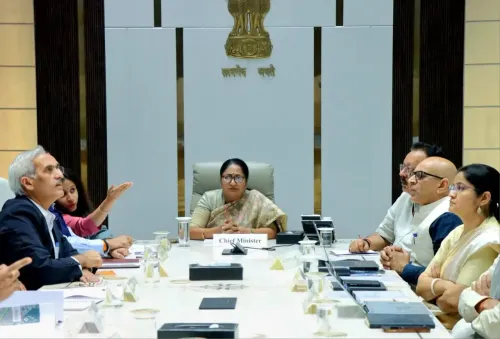
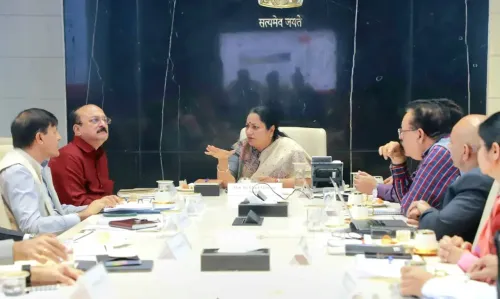
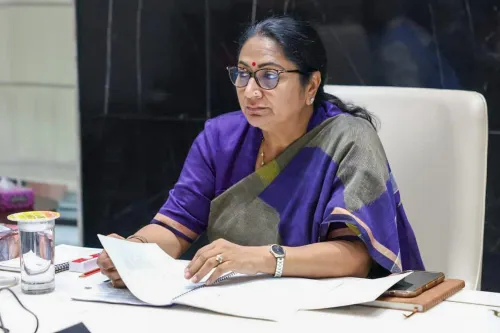
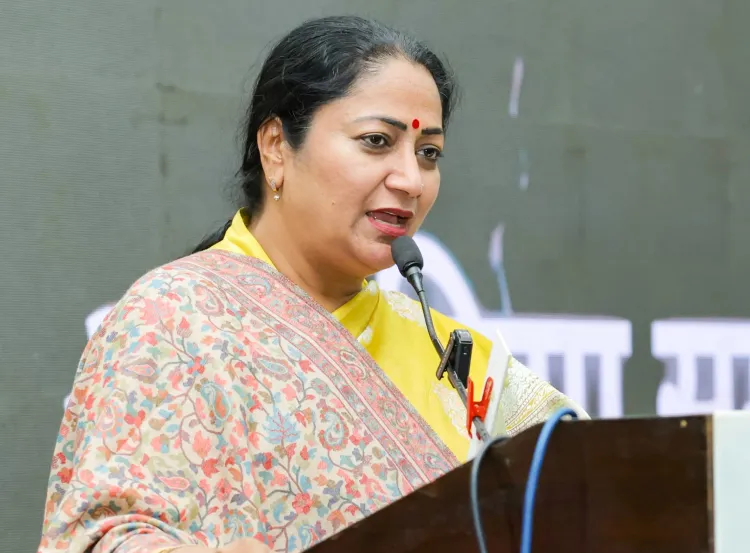
New Delhi, Dec 11 (NationPress) Delhi Chief Minister Rekha Gupta has instructed officials and various government bodies to implement a unified, practical, and responsible framework for coordination and utility management aimed at curbing the incessant digging of roads.
Following a meeting on the ‘Standard Framework for Road Redevelopment’, the Chief Minister emphasized that prior to any road construction, thorough mapping of electricity, telecom, gas, and water lines will be compulsory, and wherever feasible, shared utility ducts will be utilized.
“Once a road is built, excavation will only be allowed in emergencies,” she stated.
The main goal of this meeting was to create an integrated and standardized framework for road construction, beautification, green cover, drainage, utility management, and maintenance across Delhi, ensuring enhanced coordination among all agencies.
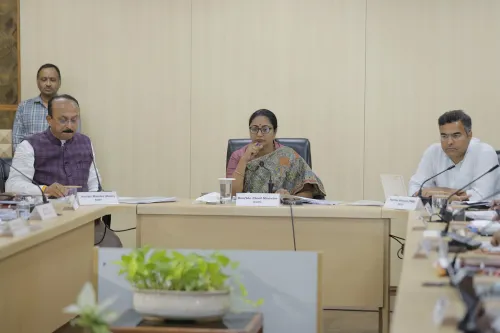
Senior officials from PWD, MCD, NDMC, DDA, Delhi Jal Board, and Delhi Traffic Police, along with specialists from CAQM, CSIR, the School of Planning and Architecture, and the Raahgiri Foundation, were actively involved in the discussions.
The experts provided detailed presentations covering various topics related to infrastructure, traffic management, urban design, and public amenities in the capital.
Ministers including Pravesh Sahib Singh, Ashish Sood, Manjinder Singh Sirsa, Ravindra Inderjeet Singh, Dr. Pankaj Kumar Singh, along with Delhi Mayor Raja Iqbal Singh and officials from relevant departments, were present at the meeting.
The Chief Minister clarified to officials and departments that the focus should be on action and results, rather than placing blame.
She highlighted that Prime Minister Narendra Modi has allocated sufficient budgetary support for development projects, assuring that there are no financial constraints for any initiative. The government has directed all departments to present their estimates and proposals for the beautification of Delhi.
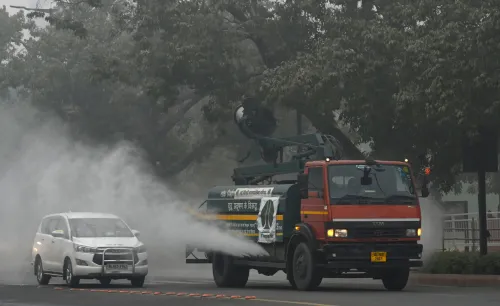
The Chief Minister also emphasized the critical need for waste management, the prevention of open burning, the establishment of new biogas and green waste facilities, and effective management of wet waste. New structures should be designed to be zero-waste, green, and self-sustainable, incorporating features like water harvesting, mist systems, and anti-smog guns.
During the meeting, Minister Pravesh Sahib Singh remarked that the Delhi government has implemented numerous administrative reforms over the past nine months, but the diligence and responsibility of officers and engineers remain equally crucial.
He noted that delays often arise from fixing accountability among departmental officials, leading to wasted time due to unnecessary involvement of third-party agencies. He urged officials to transcend personal and departmental interests, working sincerely and devotedly to enhance the cleanliness and beauty of Delhi.
Minister Manjinder Singh Sirsa pointed out that dust on roads significantly contributes to pollution in Delhi, and controlling it is a top priority for the government.
He stated that the Chief Minister has a clear vision aimed at progressively reducing the impact of road dust on Delhi's air quality, which peaks at 30% during winter months. Under the Delhi government's Winter Action Plan, extensive measures are already in place to eliminate road dust from the streets.
Point of View
I observe that the initiatives led by Delhi's Chief Minister represent a significant step towards sustainable urban management. This proactive approach not only aims to streamline road construction but also addresses pressing environmental concerns, showcasing a commitment to enhancing the quality of life in Delhi.
NationPress
29 Sept 2026
Frequently Asked Questions
What is the new framework for road construction in Delhi?
The new framework mandates detailed mapping of utility lines before any road construction and allows excavation only in emergencies to prevent repeated digging.
Who participated in the meeting regarding road redevelopment?
Senior officials from various departments such as PWD, MCD, NDMC, and experts from CAQM, CSIR, and the School of Planning and Architecture were involved.
What are the key focuses of the Chief Minister's new directives?
The key focuses include utility management, waste management, air quality improvement, and promoting green construction practices.