Delhi Court Dismisses Plea for FIR Against Minister Kapil Mishra Related to 2020 Riots
Synopsis
In a significant legal decision, a Delhi court has rejected a plea to file an FIR against Law Minister Kapil Mishra concerning the 2020 North-East Delhi riots, citing insufficient evidence. This ruling comes amidst ongoing scrutiny of Mishra's alleged role in the violence that resulted in numerous casualties.
Key Takeaways
Delhi court dismissed FIR plea against Kapil Mishra.
The ruling was based on insufficient evidence presented.
Mohammad Ilyas filed the complaint regarding Mishra's alleged involvement.
The riots caused significant casualties and injuries in February 2020.
The case has been through multiple rounds of litigation.
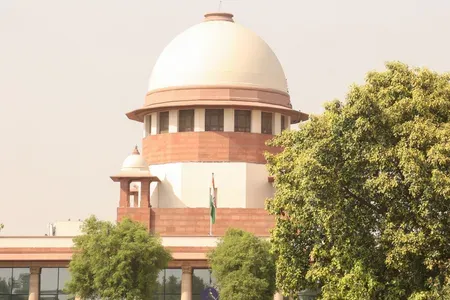
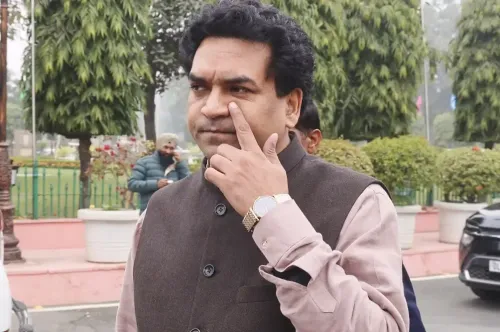
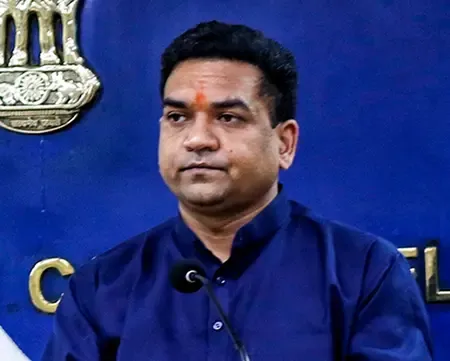
New Delhi, March 13 (NationPress) - On Friday, a court in Delhi rejected a request for an FIR against Kapil Mishra, the Delhi Law and Justice Minister, related to the riots that occurred in North-East Delhi in 2020.
Additional Chief Judicial Magistrate (ACJM) Ashwani Panwar, presiding over the Rouse Avenue Court, dismissed the petition submitted by Mohammad Ilyas, a resident of Yamuna Vihar. Ilyas had sought police action to file an FIR against Mishra and others for their alleged involvement in incidents that took place in Kardam Puri on February 23, 2020.
In his submission, Ilyas alleged that he witnessed Mishra and others obstructing a roadway and vandalizing vendors' carts during the riots, with senior police officials present at the scene.
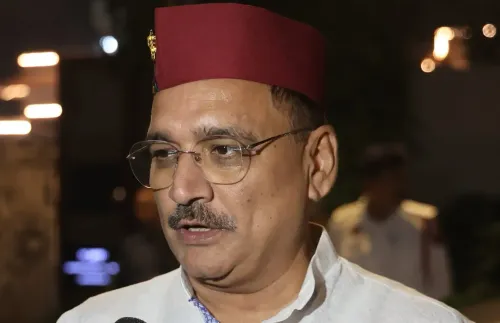
The complaint accused Mishra of participation in the riots and also implicated Mustafabad MLA and Deputy Speaker of the Delhi Assembly, Mohan Singh Bisht, along with former BJP legislator Jagdish Pradhan, claiming they instigated the violence.
Ilyas requested directions under Section 156(3) of the Code of Criminal Procedure, which allows a magistrate to mandate the filing of an FIR in cases involving cognizable offenses.
However, the court determined that the evidence presented did not warrant an FIR at this moment. The case brought forth by Ilyas has been through several legal challenges.
Previously, a magistrate court instructed the Delhi Police to further probe Mishra’s alleged actions during the riots, which resulted in 53 fatalities and numerous injuries.
That directive was later overturned by a Special Court. In November of the prior year, Special Judge Vinay Singh noted that the ACJM had made a 'serious jurisdictional error' in ordering additional investigation.
The Special Court found that the magistrate had overstepped the limited parameters of Section 175(3) of the Bharatiya Nagarik Suraksha Sanhita (BNSS) and had made comments on matters already in trial in a higher court.
The judge also observed that Ilyas's complaint did not convincingly establish the occurrence of a cognizable offense, and the ACJM’s decision was based on inferences drawn from Mishra's questioning related to a larger conspiracy concerning the riots.
Point of View
Particularly those involving political figures. The dismissal of the plea against Kapil Mishra raises questions about accountability and the judicial process's integrity in addressing allegations of political violence.
NationPress
26 Sept 2026
Frequently Asked Questions
What was the court's decision regarding the FIR against Kapil Mishra?
The Delhi court dismissed the plea for an FIR against Kapil Mishra, citing insufficient evidence to justify the registration of a case.
Who filed the complaint against Kapil Mishra?
The complaint was filed by Mohammad Ilyas, a resident of Yamuna Vihar.
What events led to the riots in North-East Delhi?
The riots in North-East Delhi occurred in February 2020, resulting in 53 deaths and many injuries, fueled by communal tensions.
What did Ilyas claim in his complaint?
Ilyas alleged that he witnessed Kapil Mishra blocking roads and destroying vendors' property during the riots.
What is Section 156(3) of the Code of Criminal Procedure?
Section 156(3) allows a magistrate to direct the police to register an FIR in cases involving cognizable offenses.