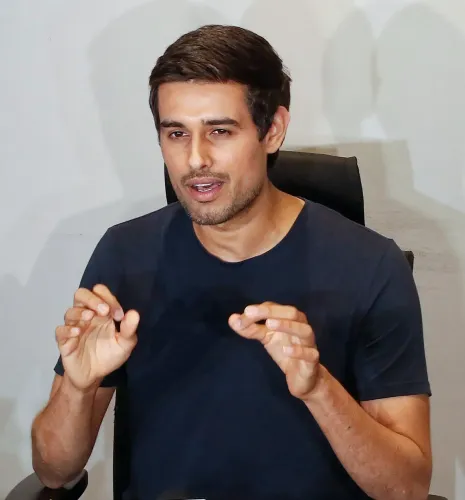
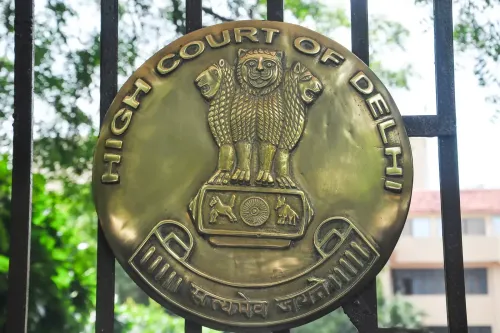
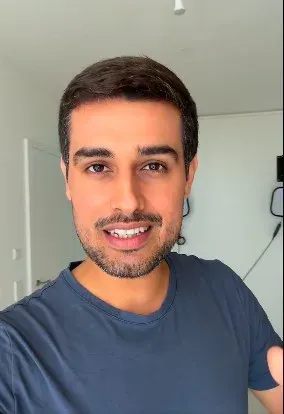
Delhi court issues fresh warrant against Dhruv Rathee in 2018 defamation case
Synopsis
Eight years after a criminal defamation complaint was filed, Delhi's Saket court has issued yet another bailable warrant against YouTuber Dhruv Rathee — this time to his Gurugram address — after previous attempts at service failed due to a locked residence and an incorrect Austria address. With Rathee reportedly already out of India, the case's next chapter is set for 23 November.
Key Takeaways
Delhi's Saket court issued a fresh bailable warrant against YouTuber Dhruv Rathee on 31 October 2026 .
The warrant is directed to Rathee's Gurugram address after an earlier warrant was sent to an incorrect address in Austria .
The case dates to 2018 and involves a video titled 'BJP IT Cell Part 2' alleged to have defamed complainant Vikas Pandey .
Arvind Kejriwal acknowledged before the Supreme Court in February 2024 that retweeting the video was a mistake; trial proceedings against him were stayed.
The Delhi High Court has held that retweeting defamatory content can attract prosecution under Section 499 IPC .
The next hearing is scheduled for 23 November .
A Delhi court on Saturday, 31 October 2026 issued a fresh bailable warrant against YouTuber Dhruv Rathee in an eight-year-old criminal defamation case filed by Vikas Pandey, with the Saket court directing the warrant to be served at Rathee's Gurugram address. The move marks the latest step in a prolonged legal pursuit that has been repeatedly stalled by difficulties in serving summons on the Germany-based content creator.
Why Previous Warrants Failed
The court had issued an earlier bailable warrant on 17 October after summons could not be served because Rathee's residence was found locked. That warrant also went unserved — the court subsequently noted it had been issued to an incorrect address in Austria. On Saturday, the Saket court was informed that Rathee had already left India. The next hearing in the case has been scheduled for 23 November.
What the Case Is About
The defamation complaint stems from a video titled 'BJP IT Cell Part 2', which Pandey — the founder of the social media page 'I Support Narendra Modi' — alleged had tarnished his reputation. The video was retweeted in 2018 by Aam Aadmi Party (AAP) National Convenor Arvind Kejriwal, who later acknowledged before the Supreme Court that sharing the post was a mistake. Proceedings against Rathee have been pending since 2019, with the complainant arguing that Rathee's continued absence from India has delayed the case.
Kejriwal's Parallel Legal Battle
The matter had also reached the Supreme Court in connection with Kejriwal's challenge to the criminal defamation proceedings arising from the retweet. In February 2024, Kejriwal told the apex court he had erred in sharing the video. A bench of Justices Sanjiv Khanna — who later became Chief Justice of India and has since retired — and Dipankar Datta had stayed the trial court proceedings against Kejriwal while hearing his plea challenging the Delhi High Court's refusal to quash summons issued against him.
Legal Precedent on Retweeting
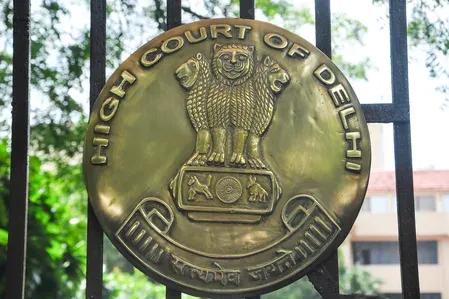
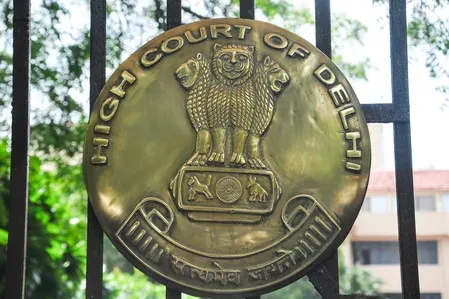
The Delhi High Court had earlier upheld the summoning order, observing that retweeting allegedly defamatory content could attract prosecution under Section 499 of the Indian Penal Code (IPC). That ruling carries broader implications for public figures who share third-party content on social media — a question that Indian courts have yet to resolve definitively. Notably, this is one of the few cases where a viral retweet by a major political figure has resulted in sustained criminal defamation proceedings.
What Happens Next
With the fresh warrant directed to Rathee's Gurugram address and Rathee reportedly abroad, the outcome will hinge on whether the warrant can be executed before the 23 November hearing. Should service again fail, the court may consider additional measures. Rathee ordinarily resides in Austria, and the complainant has argued that his prolonged absence continues to obstruct justice.
Point of View
Meanwhile, is a reminder that viral endorsements carry legal risk even when the endorser adds no original content. Until Parliament or the courts settle the liability standard for reshared content, high-profile retweet cases will keep multiplying.
NationPress
31 Oct 2026
Frequently Asked Questions
What is the Dhruv Rathee defamation case about?
The case involves a criminal defamation complaint filed by Vikas Pandey , founder of the page 'I Support Narendra Modi', over a 2018 YouTube video titled 'BJP IT Cell Part 2' that he alleged damaged his reputation. Arvind Kejriwal had retweeted the video, later admitting before the Supreme Court that doing so was a mistake.
Why has it taken so long to serve the warrant on Dhruv Rathee?
Rathee ordinarily resides in Austria , and summons have repeatedly gone unserved since 2019 — first because his residence was found locked, and then because a warrant was issued to an incorrect address in Austria. The complainant argues that his prolonged absence from India has deliberately delayed the case.
What did the Delhi High Court say about retweeting defamatory content?
The Delhi High Court upheld the summoning order in this case, ruling that retweeting allegedly defamatory content can attract prosecution under Section 499 of the Indian Penal Code (IPC) . The ruling has implications for any public figure who shares third-party content on social media.
What is the current status of proceedings against Arvind Kejriwal?
In February 2024 , Kejriwal told the Supreme Court he had made a mistake by retweeting the video. A bench of Justices Sanjiv Khanna and Dipankar Datta stayed the trial court proceedings against him while hearing his plea challenging the Delhi High Court's refusal to quash summons.
When is the next hearing in the Dhruv Rathee defamation case?
The Saket court has scheduled the next hearing for 23 November . Whether the fresh warrant directed to Rathee's Gurugram address can be served before that date will determine the next course of action.