Did the Delhi HC Grant Interim Bail to Rajpal Yadav in Cheque Bounce Cases?
Synopsis
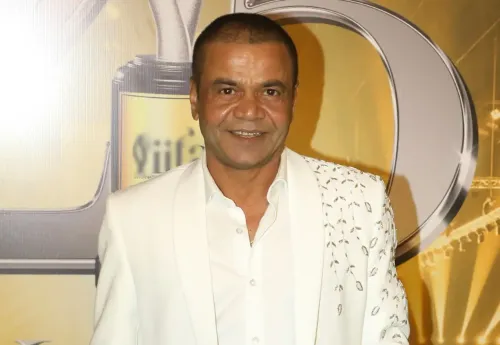
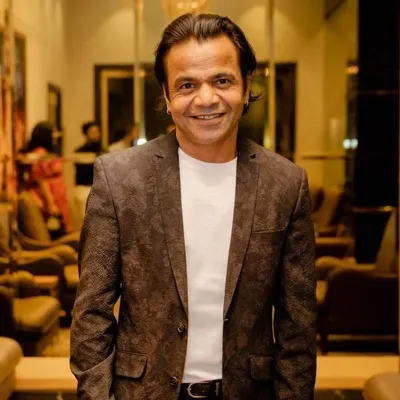
In a significant ruling, the Delhi High Court has granted interim bail to Rajpal Yadav, a notable Bollywood actor, in cheque bounce cases. This decision allows him to temporarily avoid jail until March 18, provided he meets certain conditions, including a personal bond and surrendering his passport. What does this mean for his future?
Key Takeaways
Delhi HC grants interim bail to Rajpal Yadav.
Conditions include a personal bond and surrendering his passport.
Yadav's niece's wedding influenced the court's decision.
Next court hearing set for March 18.
Yadav's previous conduct had raised concerns in the court.
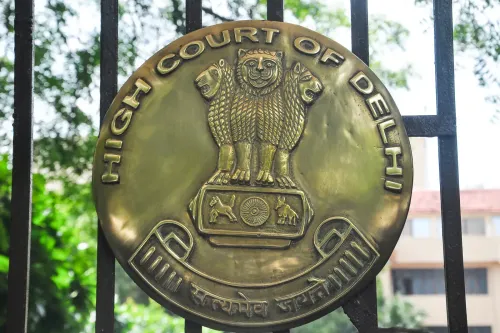
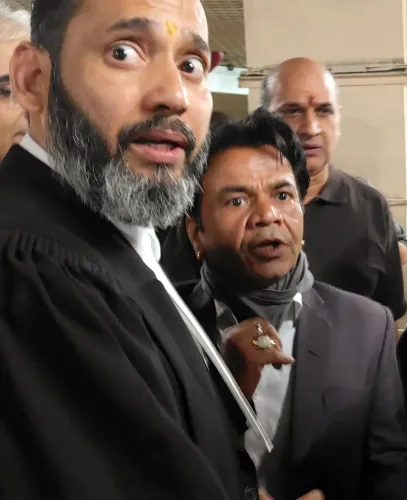
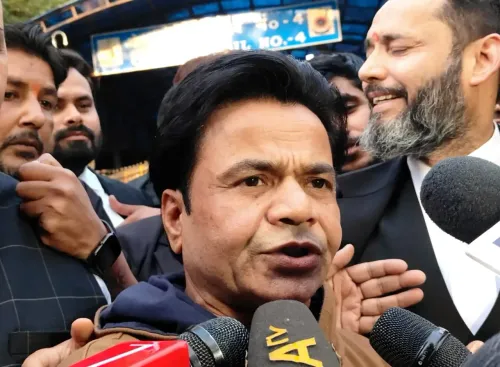
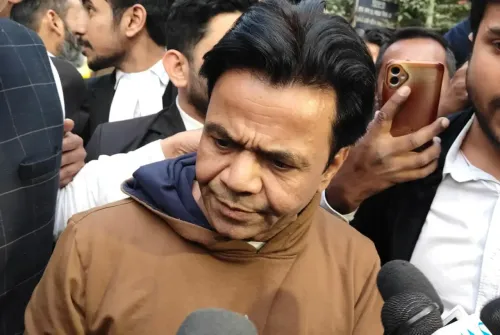
New Delhi, Feb 16 (NationPress) The Delhi High Court has granted an interim suspension of sentence to Bollywood actor Rajpal Yadav in relation to multiple cheque bounce cases. This decision, made on Monday, allows for his release from incarceration until March 18. A single-judge Bench led by Justice Swarna Kanta Sharma issued the order after confirming that a payment of Rs 1.5 crore was made to the complainant company’s bank account.
In light of this payment, the Delhi High Court has suspended the sentence on the condition that Yadav submits a personal bond of Rs 1 lakh along with a surety of the same amount. Additionally, he is required to surrender his passport.
The court was informed that Yadav’s niece is set to marry on February 19 in Shahjahanpur, prompting the request for interim relief. Justice Sharma remarked, “Interim suspension of sentence until the next date of hearing. You must be present in court or attend via video conferencing. We do not want any discrepancies.”
The next hearings are scheduled for March 18, and until then, Yadav will remain out of custody.
This relief comes shortly after the Delhi High Court had expressed discontent with the actor’s behavior. Earlier, on February 2, Justice Sharma ordered Yadav to surrender to the relevant jail authorities by 4 p.m. on February 4, citing his repeated inability to meet settlement obligations despite multiple chances.
Noting that “considerable leniency” had been extended, the Delhi HC stated that there was no reason to continue such indulgence. It highlighted that Yadav had not made any payments for nearly a year, despite having received strict timelines and assurances.
Afterward, Yadav complied with the court's directive and surrendered to the authorities.
The actor was convicted and sentenced in 2024 under the Negotiable Instruments Act for cheque bounce cases.
Previously, his sentence was suspended when he indicated a willingness to settle the dispute amicably with the complainant company, and the issue was referred to mediation.
Point of View
This ruling by the Delhi High Court highlights the ongoing legal challenges faced by public figures like Rajpal Yadav. While the judiciary emphasizes accountability, it also shows a willingness to extend mercy under certain conditions. This balance of justice and leniency is critical in the public eye, as such cases can significantly influence public perception.
NationPress
20 Sept 2026
Frequently Asked Questions
What are the conditions for Rajpal Yadav's interim bail?
Rajpal Yadav must furnish a personal bond of Rs 1 lakh, provide a surety of the same amount, and surrender his passport.
When will the next hearing for Rajpal Yadav's case occur?
The next hearing is scheduled for March 18.
What was the reason for Rajpal Yadav's previous incarceration?
He was convicted in 2024 for cheque bounce cases under the Negotiable Instruments Act.