Did the Delhi HC Halt the Order for a Second Review of RBI Ombudsman Complaints?
Synopsis
In a significant legal development, the Delhi High Court has temporarily paused an order that would require the Reserve Bank of India to conduct a second review of complaints dismissed by its banking ombudsman. This move comes amidst concerns over the effectiveness of the existing complaint resolution process, aiming to ensure fair treatment for consumers.
Key Takeaways
The Delhi High Court has paused an order for a second review of RBI Ombudsman complaints.
The ruling highlights the need for effective consumer grievance redressal.
The RBI's appeal argues that the single judge exceeded judicial authority.
Future hearings are scheduled to further discuss this matter.
Consumer rights and regulatory frameworks are at the heart of this case.
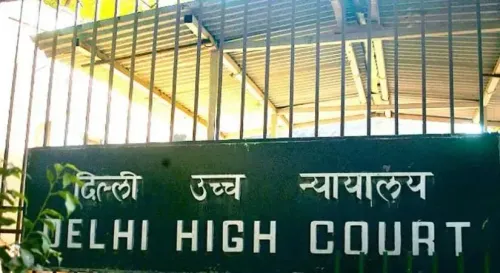
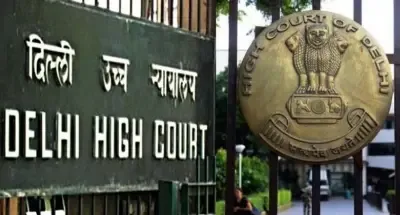
New Delhi, Jan 8 (NationPress) The Delhi High Court on Thursday put a hold on a directive from a single judge that mandated the Reserve Bank of India (RBI) to implement a second tier of human review for consumer grievances that had been dismissed by its banking ombudsman.
A division bench led by Chief Justice D.K. Upadhyaya and Justice Tejas Karia issued the interim ruling in response to an appeal brought by the RBI against a decision made by Justice Prathiba M. Singh, which called for such reviews to be carried out by legally qualified professionals, including retired judges or lawyers with at least a decade of experience.
While suspending the contested directions, the CJ Upadhyaya-led bench noted that, on a preliminary basis, they found merit in the arguments presented on behalf of the RBI.
"Thus, we order that the directives stated in paragraphs 47(5) and 48 of the contested judgment issued by the learned single judge on November 27, 2025, shall remain on hold," the order stated.
The bench also suspended the single judge's instruction requiring the RBI Deputy Governor to provide a compliance affidavit by January 15, 2026. The case is now slated for further deliberation on March 17.
Representing the RBI, Solicitor General of India Tushar Mehta argued that the single judge had exceeded the allowable scope of judicial review under Article 226 of the Constitution.
The Centre's second-highest legal official contended that the Reserve Bank-Integrated Ombudsman Scheme, 2021 is a statutory framework established under Section 35A of the Banking Regulation Act and Section 18 of the Payment and Settlement Systems Act, which can only be modified by designated authorities under those laws.
In her ruling on November 27, 2025, Justice Prathiba M. Singh expressed her concerns regarding complaints being dismissed through "system-generated responses" and maintained that the Ombudsman Scheme must be "an effective Scheme and not merely a toothless division of the RBI."
This judgment was delivered in a writ petition initiated by advocate Sarwar Raza, who approached the Delhi High Court alleging harassment and wrongful dismissal of his complaints by the RBI Ombudsman following a disputed credit card transaction of ₹76,777.
The single-judge bench directed that the RBI must ensure customer complaints are not rejected solely through a mechanized process, and that complainants should have the chance to rectify minor errors.
Furthermore, it mandated that any complaints ultimately dismissed must undergo a second level of human review by legally qualified professionals, stating: "Enhancing the effectiveness and efficiency of the Ombudsman's complaint redressal mechanism can significantly reduce litigation in courts and consumer forums."
Point of View
This ruling underscores the delicate balance between judicial oversight and regulatory autonomy. The decision reflects a commitment to ensuring that consumer rights are upheld while recognizing the statutory framework within which the RBI operates. It is crucial that any changes made to the Ombudsman Scheme enhance its efficacy without undermining its foundational principles.
NationPress
19 Sept 2026
Frequently Asked Questions
What did the Delhi High Court rule regarding RBI Ombudsman complaints?
The Delhi High Court stayed a directive requiring the RBI to conduct a second review of complaints dismissed by its banking ombudsman, emphasizing the importance of a fair complaint resolution process.
Who was involved in the appeal against the single judge's ruling?
The appeal was filed by the Reserve Bank of India against a ruling from Justice Prathiba M. Singh, which mandated second-level reviews by legally trained professionals.
What are the implications of the court's decision?
The court's decision could reshape the complaint resolution process by ensuring that consumer grievances are addressed more effectively, potentially reducing litigation in courts.