Delhi High Court Denies Kejriwal's Request to Shift Liquor Policy Case
Synopsis
In a significant ruling, the Delhi High Court has denied a request from Arvind Kejriwal to transfer the CBI's revision petition on the excise policy case, raising concerns over impartiality and neutrality in the ongoing legal proceedings.
Key Takeaways
Delhi High Court denied Kejriwal's request to transfer the case.
Concerns about judicial impartiality were raised.
The case involves allegations of corruption in the excise policy.
All 23 accused were discharged by the Rouse Avenue Court.
The court's ruling will address the CBI's and ED's petitions together.
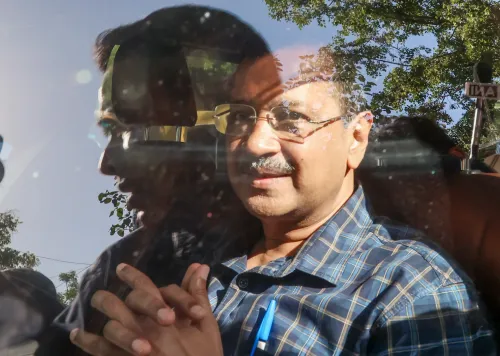
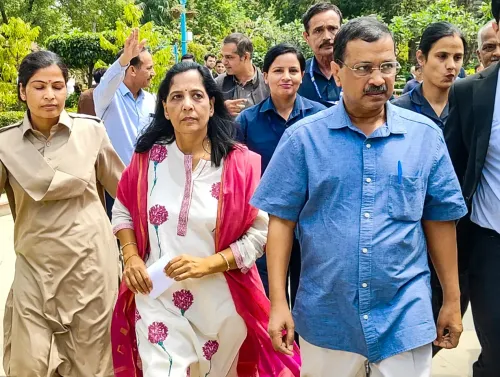
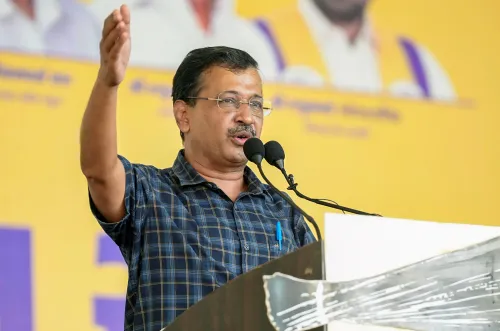
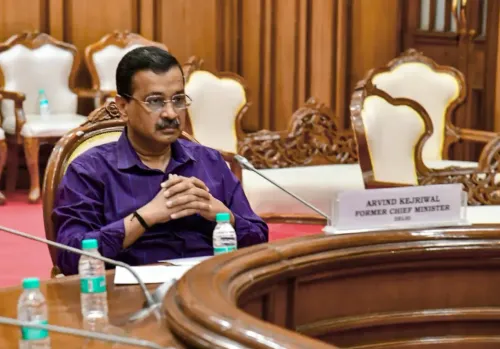
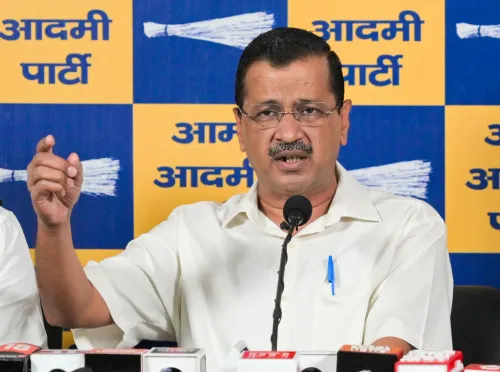
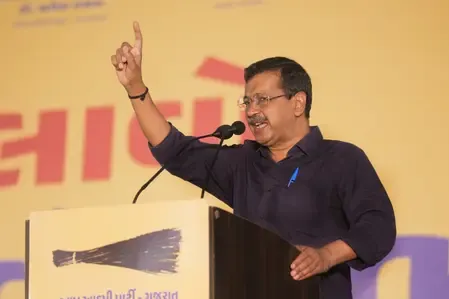
New Delhi, March 15 (NationPress) The Delhi High Court has rejected a request made by the AAP National Convenor and former Chief Minister of Delhi, Arvind Kejriwal, to shift the Central Bureau of Investigation's (CBI) revision petition regarding the Delhi excise policy case from the Bench presided over by Justice Swarana Kanta Sharma.
In a message directed to Kejriwal, the Registrar General of the Delhi High Court indicated that Chief Justice (CJ) Devendra Kumar Upadhyaya, who oversees the roster, had found insufficient grounds to reassign the case.
“The petition is allocated to the esteemed judge according to the existing roster. Any decision regarding recusal must be made by the presiding judge. However, I see no reason to transfer the petition administratively,” the message reflected CJ Upadhyaya’s remarks.
In a letter dated March 11, Kejriwal voiced concerns that the case might not be addressed with the necessary impartiality and neutrality if it remained under Justice Sharma's jurisdiction.
This request was linked to the CBI’s criminal revision petition that challenges the Rouse Avenue Court's decision to exonerate all 23 individuals involved, including Kejriwal and former Deputy Chief Minister Manish Sisodia, in the corruption case tied to the now-defunct excise policy implemented by the AAP-led Delhi government.
Earlier this week, Justice Swarana Kanta Sharma, sitting alone, had notified Kejriwal, Sisodia, and other parties regarding the CBI’s motion contesting the trial court’s dismissal of charges against the accused.
During the proceedings, Justice Sharma also put a hold on the trial court’s order that mandated departmental action against a CBI officer who investigated the case, stating that the remarks made regarding the investigative agency and the officer would remain on hold.
In a separate matter, the same Bench addressed a plea from the Enforcement Directorate (ED) seeking the removal of certain critical comments made by the trial court while discharging the accused in the excise policy case.
The ED argued that these remarks were “unrelated to the matter at hand” and were documented without the agency being present in the trial court at the time of the discharge order.
Additional Solicitor General S.V. Raju contended that these observations were made without providing the ED an opportunity to present its case, potentially jeopardizing its ongoing investigation under the Prevention of Money Laundering Act (PMLA).
The Delhi High Court indicated it would evaluate the ED’s concerns alongside the CBI’s revision petition, given that the entire ruling from the trial court was already under scrutiny.
On February 27, the Rouse Avenue Court issued an extensive judgment, spanning over 1,100 paragraphs, which discharged all accused, dismissing the prosecution’s claims of a widespread conspiracy and asserting that the excise policy emerged from a consultative and deliberative process following established protocols.
Meanwhile, both Kejriwal and Sisodia provided surety bonds of Rs 50,000 each before the Rouse Avenue Court following their discharge in the corruption case.
According to legal norms, an accused individual who is discharged or acquitted in a criminal proceeding must submit a surety bond to ensure their availability before the court in the event that the prosecution initiates an appeal against the ruling.
Point of View
It's crucial to observe that the Delhi High Court's decision not to transfer the excise policy case highlights the complexities of legal processes involving high-profile political figures. The ruling reflects a commitment to judicial integrity and poses significant implications for the involved parties. Analyzing the court's reasoning could provide insights into the broader political landscape.
NationPress
14 Oct 2026
Frequently Asked Questions
What was Arvind Kejriwal's request to the Delhi High Court?
Arvind Kejriwal requested the Delhi High Court to transfer the CBI's revision petition in the excise policy case to a different Bench, citing concerns over impartiality.
What was the Delhi High Court's response?
The Delhi High Court rejected Kejriwal's request, stating there were no grounds to reassign the case from Judge Swarana Kanta Sharma.
What is the significance of the excise policy case?
The excise policy case involves allegations of corruption linked to a policy implemented by the AAP-led Delhi government, affecting multiple high-profile politicians.
How did the court address the CBI's petition?
The court has issued notices to the involved parties regarding the CBI's petition, which challenges a trial court's decision to discharge all accused.
What are the next steps in the legal proceedings?
The Delhi High Court will review the CBI's revision petition and the ED's plea concerning remarks made by the trial court during the discharge of accused individuals.