Legal Experts and Scholars Demand Action Against Kejriwal for Allegations Against Delhi HC Judge
Synopsis
A group of senior legal professionals and scholars has raised alarms over Arvind Kejriwal's allegations against a Delhi High Court judge, urging the Chief Justice of India to intervene and protect judicial integrity. The call for action underscores the critical importance of maintaining respect for the judiciary.
Key Takeaways
Concern Over Judicial Integrity: Legal experts emphasize the need to protect the judiciary.
Public Allegations: Accusations against sitting judges can undermine public trust.
Call for Action: Advocates are urging the CJI to act decisively.
Legal Precedents: Allowing such conduct could set dangerous legal precedents.
Independence of Judiciary: The judiciary's independence is crucial for democracy.
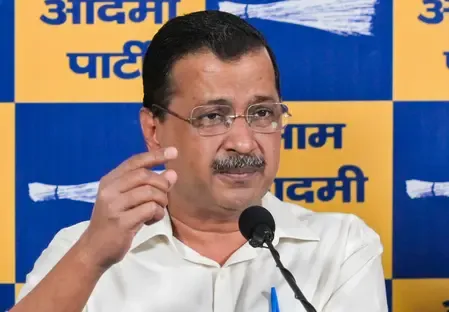
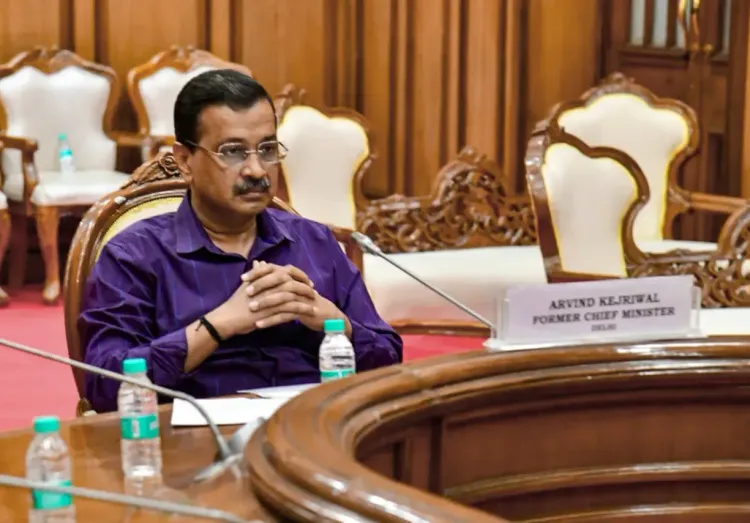
New Delhi, March 18 (NationPress) A collective of esteemed advocates, scholars, former law enforcement officials, and Bar members have reached out to the Chief Justice of India (CJI), voicing their alarm regarding the accusations made by ex-Delhi Chief Minister Arvind Kejriwal against a current judge of the Delhi High Court. They are urging the initiation of suo motu proceedings to uphold the dignity of the judiciary.
This representation, directed to CJI Surya Kant, comes in light of Kejriwal’s petition to the Supreme Court contesting the Delhi High Court's decision, which rejected the administrative request to shift the CBI’s revision petition concerning the Delhi excise policy case away from the Bench led by Justice Swarana Kanta Sharma.
The signatories described the allegations against a sitting judge as “unprecedented” and raised significant concerns about judicial propriety and the integrity of institutions.
“It is a well-established principle that a litigant cannot select the Bench or Judge assigned to their case,” the letter emphasized, asserting that “publicly attributing bias or motives to a current Judge, without verified evidence, undermines the very foundation of judicial propriety, ethics, and discipline.”
The group warned that allowing such behavior to persist could establish a perilous precedent, permitting litigants to challenge the authority of courts and diminishing public trust in the justice system.
“Allowing such behavior to go unaddressed would set a dangerous precedent, enabling litigants to undermine the authority of courts and erode public confidence in the administration of justice,” the letter stated.
The advocates urged the CJI, as the “custodian and protector of the judicial system,” to take note of the situation and consider appropriate legal action.
In a separate appeal for the initiation of suo motu contempt proceedings against Kejriwal, they argued that unfounded allegations against judges could disrupt the administration of justice and weaken the authority of the courts.
“The independence of the judiciary is essential to the Constitution and the rule of law. The credibility of the judicial system hinges on the public's belief that judges fulfill their constitutional roles impartially, without fear or bias,” the representation pointed out.
Citing the law on criminal contempt under the Contempt of Courts Act, 1971, the Bar members asserted that attributing motives to judges, which scandalizes the court, diminishes the authority of the judiciary, or interferes with judicial proceedings constitutes criminal contempt.
“It is, therefore, deeply troubling that there appear to be attempts to publicly question the impartiality and integrity of a sitting judge,” the representation concluded.
The advocates warned that if such actions go unchallenged, litigants might pressure courts or discredit judges whenever judicial decisions do not favor them.
“The strength of our democracy relies on the respect we accord to constitutional institutions, and the judiciary must remain above political disputes or public denigration,” the representation emphasized.
Among the signatories are renowned advocate Pinky Anand, former Director General of Police (Jharkhand) Nirmal Kaur, Gujarat University Vice Chancellor Neerja Gupta, former Nalanda University Vice Chancellor Sunaina Singh, and former president of the Delhi High Court Bar Association Kirti Uppal, among others.
This development follows Kejriwal's recent Supreme Court challenge against the decision made by the Chief Justice of the Delhi High Court, who denied his request to move the CBI hearing related to the Delhi excise policy case from Justice Sharma’s Bench.
Kejriwal argues that the refusal to transfer the matter creates a “grave, bona fide and reasonable apprehension” that the case may not be heard impartially and neutrally.
The Delhi High Court administration previously declined the transfer request, stating that the case had been assigned to Justice Sharma per the established roster, and there was no justification to reassign it.
Earlier, the Rouse Avenue Court acquitted all 23 defendants, including Kejriwal and former Delhi Deputy Chief Minister Manish Sisodia, in the alleged corruption case linked to the now-repealed Delhi Excise Policy 2021–22 introduced by the then AAP-led city administration.
Point of View
As it undermines the very fabric of our democratic institutions.
NationPress
19 Sept 2026
Frequently Asked Questions
What allegations did Arvind Kejriwal make against the Delhi HC judge?
Arvind Kejriwal accused the judge of bias in the handling of a CBI case related to the Delhi excise policy.
Who has written to the Chief Justice of India?
A group of senior advocates, academicians, and former police officials have expressed their concerns.
What do the signatories demand?
They urge the CJI to initiate suo motu proceedings to uphold the dignity of the judiciary.
Why is this situation significant?
It raises questions about judicial propriety and the potential erosion of public confidence in the justice system.
What is the law regarding contempt of court?
The Contempt of Courts Act, 1971 states that scandalizing the court or interfering with its proceedings amounts to criminal contempt.